8-Day Tibet Overland Tour with EBC

The 8-Day Tibet Overland Tour with EBC from Nepal offers a scenic road journey from the green valleys of Nepal into the high-altitude plateau of Tibet. Traveling by private road transport, this trans-Himalayan route connects Kathmandu with Shigatse, Gyantse, and Lhasa via Kyirong Port, featuring a high-altitude detour to Rongbuk Monastery near Mount Everest Base Camp.

Duration
8 Days
Trip Grade
Moderate to Strenuous
Country
Tibet
Maximum Altitude
5,200 meters (17,060 feet)
Starts
Kathmandu
Ends
Kathmandu
Group Size
Up to 12 Pax (Standard)
Best Time
Spring (April to May) and Autumn (September to November)

Planning a Tibet Overland Tour with EBC Kathmandu to Lhasa requires a realistic understanding of the transition from Nepal's humid valleys to the high-altitude Tibetan Plateau. Having managed these border logistics for years, Adventure Trek in Himalaya knows this route is as much an administrative exercise as it is a scenic journey. It demands careful acclimatization and precise visa coordination before you ever reach the border.

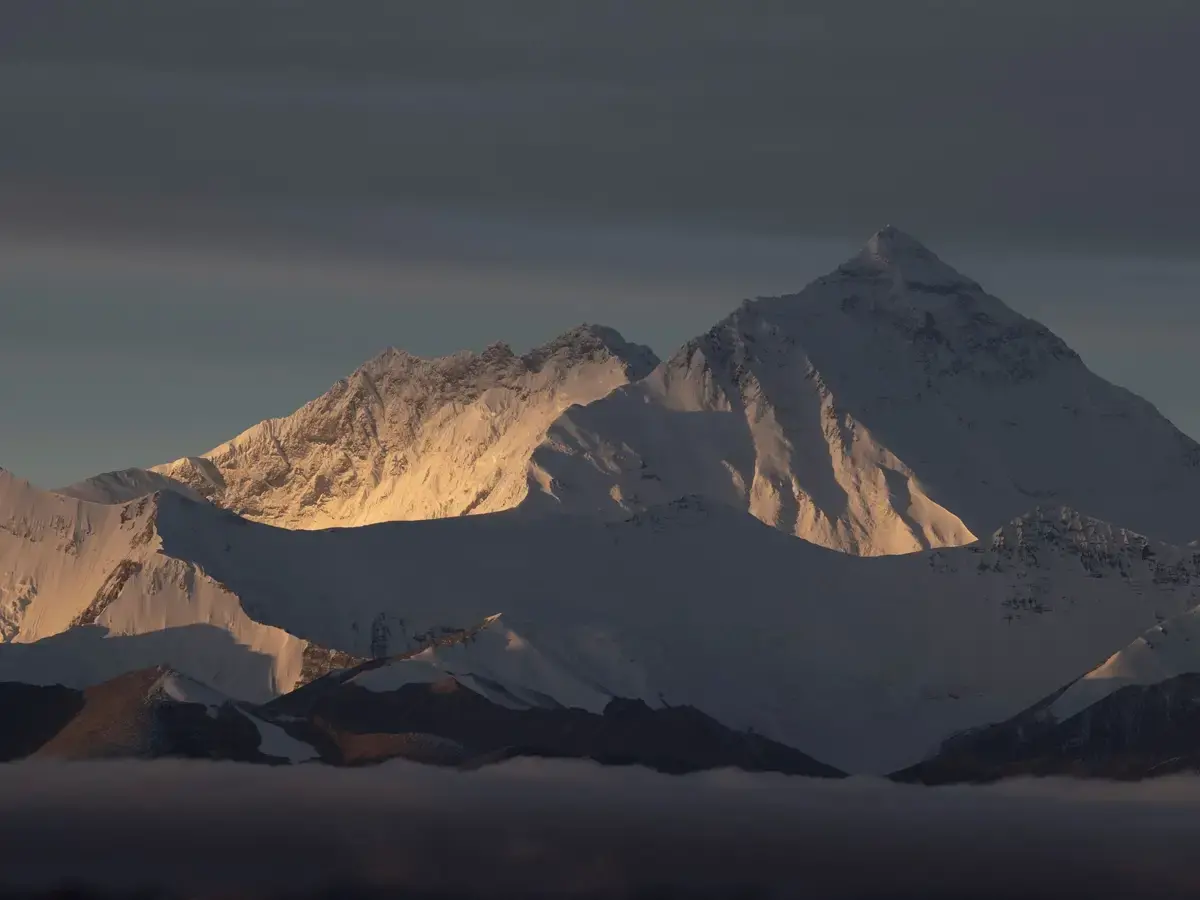
Over eight days, you will travel from the border at Kyirong to the base of Mount Everest, staying near Rongbuk Monastery (5,150m), where the north face is visible. To capture the best morning light on the peak without the wind and crowds, walk slightly uphill toward the old hermitage caves just after sunrise. From there, the route continues through the historic centers of Shigatse and Gyantse before concluding in Lhasa.

While the Nepalese road to the border is unpaved and prone to seasonal disruptions, the roads within Tibet are fully paved. Because Nepalese vehicles are not permitted to cross, you will walk across the Friendship Bridge to clear customs at Kyirong Port and board your registered Tibetan vehicle. To help your body adjust to the rapid ascent, avoid sleeping during the daytime drives on the first three days, as shallower breathing while asleep can aggravate altitude symptoms.

Our team of travel experts coordinates the necessary Tibet Travel Permits, but you must plan for the physical visa process in Kathmandu. The Chinese Embassy there requires your physical passport for at least four working days prior to departure to issue the Group Tourist Visa.

Consequently, you should plan and budget for your arrival in Nepal to allow for this processing window before the drive begins.

Why Go on the Tibet Overland Tour with EBC?

Choosing the overland route over flying directly to Lhasa is a deliberate decision to experience the transition of the Himalaya firsthand. It provides a gradual perspective on the changing terrain, climate, and culture that air travel simply bypasses.

Here are the top reasons to go on this overland Tibet tour:

Unobstructed View of Everest: Seeing the Everest Base Camp from the Nepali side requires weeks of Himalayan trekking. On the Tibet side, you drive right up to Rongbuk. The entire north face sits right in front of you. You get a clear, massive view of the peak without the knee-wrecking trek.

Crossing the Great Rain Shadow: The Himalayas act as a giant weather wall. Driving across the border shows you this barrier in real time. Within hours, the mossy trees and muddy waterfalls of Nepal vanish, replaced by the barren, brown dirt plains of Tibet.

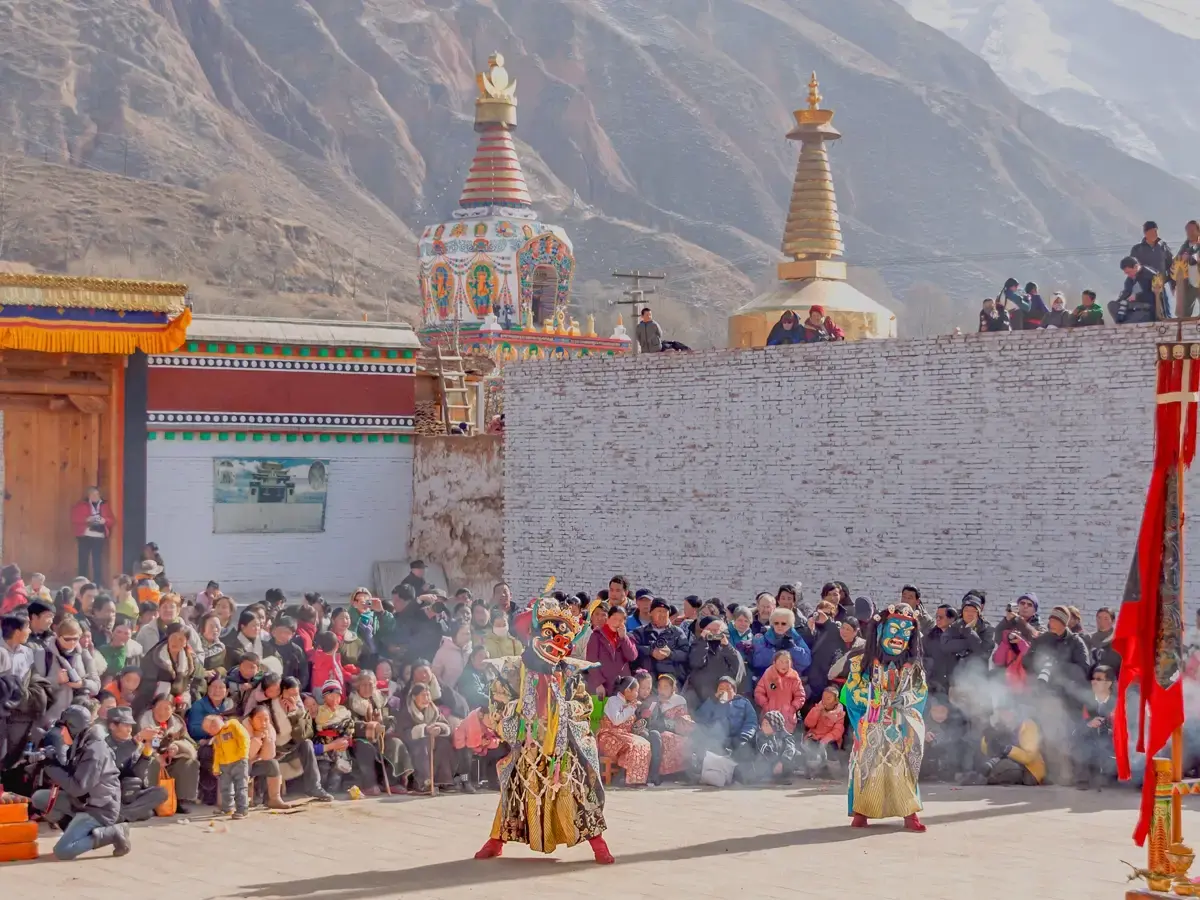
Tibetan Cultural Immersion: This route follows ancient trade and pilgrimage trails. Instead of just hitting the tourist spots in Lhasa, you stop at Shigatse's Tashilhunpo first to see the giant Maitreya Buddha. By the time you reach the Jokhang Temple in Lhasa, you will understand how Buddhism changed as it moved deeper into the plateau.

G318 Highway: Tibet’s G318 highway is incredibly well-maintained, giving you a sharp contrast to the dirt tracks on the Nepal side. Traveling in a private van gives you the freedom to pull over at Gyawu La Pass, stand at 5,200 meters, and count five of the world’s fourteen 8,000-meter peaks lined up in a single row.

Typical Day during the Tibet Overland Tour

The Tibet Overland Tour starts with breakfast at your hotel, usually around 7:30 AM, with the vehicle ready to depart by 8:30 AM. An early start is helpful because driving distances between Tibetan towns can be long, and weather conditions on high mountain passes are generally clearer in the morning.

Temperatures change significantly as you ascend and descend the high passes. Keeping a windproof jacket and warm layers in the main cabin of the vehicle is much more convenient than packing them in the luggage compartment, as you will need to layer up when stepping out for photos or restrooms.

The tour stops at local roadside restaurants for lunch. These simple establishments usually serve warm dishes like noodle soup, fried rice, momos, and traditional Tibetan sweet tea.

You will reach your overnight destination by 4:00 PM, giving you plenty of time to explore the historic streets or visit local markets. In the evening, you can dine at your hotel or sample traditional delicacies at local restaurants with your guide.

Tibet Overland Tour: Cost for Logistics and Permits

Operating a successful tour in Tibet requires securing highly regulated paperwork. Travelers must obtain a Chinese Group Visa and a Tibet Travel Permit. The permit application requires submitting clear copies of your passport at least two weeks in advance.

Once in Kathmandu, your original physical passport must be submitted to the Chinese Embassy for a minimum of four working days for final visa processing. Keep in mind that the embassy is closed on weekends and local holidays, meaning early arrival in Nepal is essential.

Adventure Trek in the Himalaya handles all administrative processes and manages all logistics to ensure a hassle-free tour, allowing you to focus on your Tibet Overland Tour solely.

8-Day Tibet Overland Tour with EBC Highlights 2026/2027

  • Drive from the lush green hills of Nepal across the border at Kyirong to the dry Tibetan Plateau.
  • Witness the sunset or sunrise over Mount Everest's north face from Rongbuk Monastery, the highest monastery in the world.
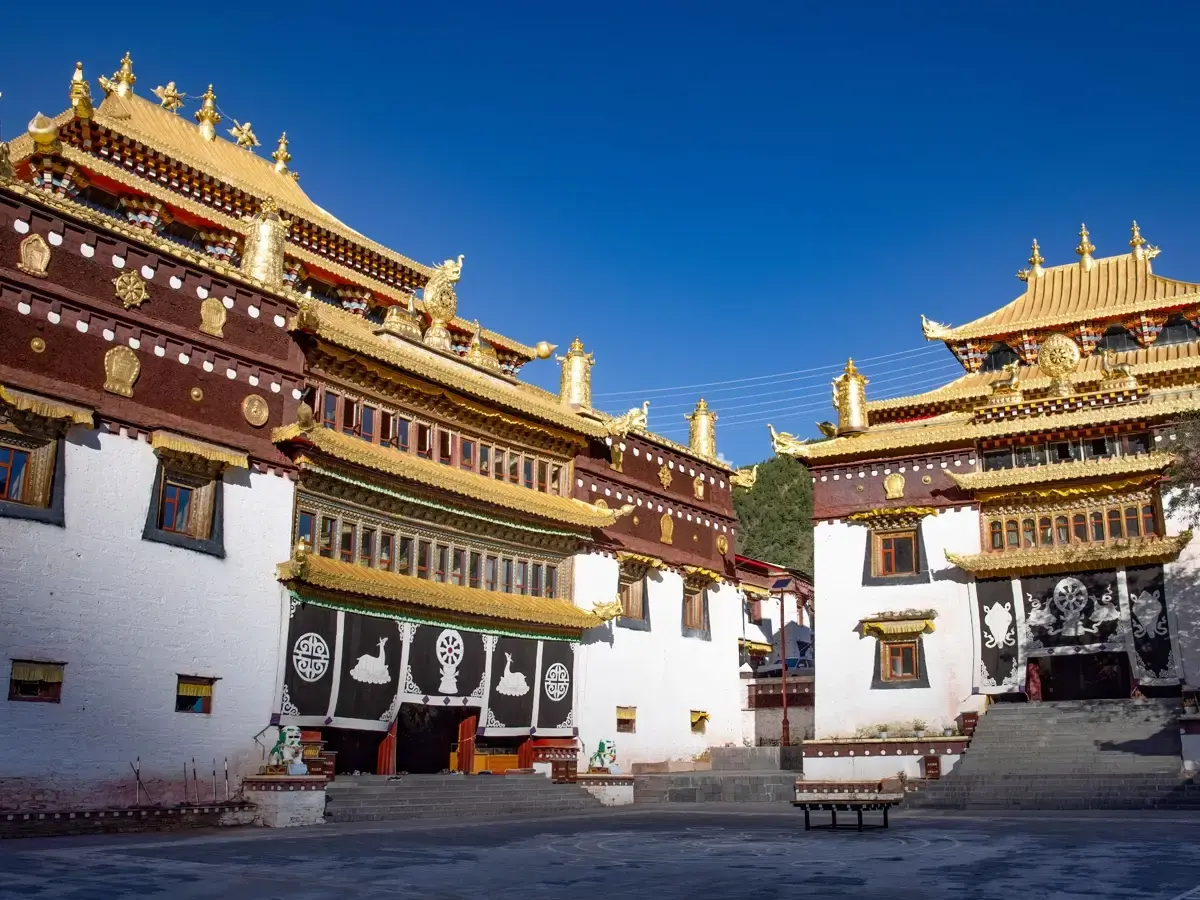
  • Explore Tashilhunpo Monastery in Shigatse, the traditional seat of the Panchen Lama.
  • Visit the historic town of Gyantse to see the multi-tiered Kumbum Stupa and Pelkor Chode Monastery.
  • Tour Lhasa’s iconic Potala Palace, the historic winter residence of the Dalai Lama.
  • Walk the sacred Barkhor Street circuit alongside local pilgrims visiting the Jokhang Temple.
  • Enjoy scenic drives across high mountain passes adorned with colorful prayer flags.
  • Travel comfortably with a dedicated English-speaking Tibetan guide and private vehicle transport.

Customized Tibet Overland Tour

This 8-day overland itinerary is designed to cover the core historical and natural highlights of Tibet at a steady driving pace. However, we understand that travelers have different preferences. The journey can be customized to include a flight out of Lhasa back to Kathmandu instead of driving back, or you can extend your journey from Lhasa by train into mainland China.

Contact our team to share your preferences, and we will tailor the itinerary to meet your schedule and travel style.

8-Day Tibet Overland Tour with EBC Itinerary

Day 1

Kathmandu (1,300m) to Kyirong Border

Your drive starts at dawn from Kathmandu to beat the heavy traffic leaving the valley. The route runs through the Trishuli River valley, transitioning into the gravel and dirt roads of the Langtang region. Keep your passport and permit copy handy in your daypack, as you will pass through several Nepalese military checkpoints before the border.

After crossing the Friendship Bridge at Rasuwagadhi, expect thorough luggage scans and phone inspections at Chinese immigration. Once cleared, you will meet your Tibetan guide, board your local vehicle, and drive up to Kyirong town.

Max Altitude: 2,770 meters
Duration: 7 Hours
Distance: 145 km
Accommodation: Guesthouse
Mode of transportation: Drive
Day 2

Kyirong to Tingri

Witness the green forests of the foothills quickly disappear, replaced by the barren, wind-swept plains of the plateau as you make your way to Tingri. On a clear day, this high highway offers views of Shishapangma (8,027m) to the west.

Max Altitude: 4,300 meters
Meals: Breakfast
Duration: 6 Hours
Distance: 265 km
Accommodation: Guesthouse
Mode of transportation: Drive
Day 3

Tingri to Rongbuk (Everest Base Camp) (5,200m) to Shigatse

This is a long, demanding day. You will cross the spectacular Gyawu La Pass (5,200m), which offers a panoramic view of Everest, Lhotse, and Makalu, before descending to Rongbuk. After viewing Everest's north face from the monastery area, you will head back to the main highway for the long drive to Shigatse.

This is a grueling 9-to-10-hour transit day at high altitude, but dropping down to sleep at 3,900 meters is vital for safe acclimatization.

Max Altitude: 5,200 meters
Meals: Breakfast
Duration: 8 Hours
Accommodation: Hotel
Mode of transportation: Drive
Day 4

Shigatse to Gyantse to Lhasa

The morning begins by exploring Tashilhunpo Monastery, the historic seat of the Panchen Lamas. Walk clockwise around all chapels and stupas out of respect for local Buddhist customs. Afterward, you will drive to Gyantse to visit the Pelkor Chode Monastery and its multi-tiered Kumbum Stupa before crossing the Karo La Glacier (5,010m) and driving along the shores of Yamdrok Lake on your way down into the Lhasa Valley by early evening.

Max Altitude: 3,650 meters
Meals: Breakfast
Duration: 6 Hours
Accommodation: Hotel
Mode of transportation: Drive
Day 5

Sightseeing Tour in Lhasa City

Your Lhasa exploration begins at the Potala Palace. Security here is highly strict, and authorities enforce a rigid one-hour limit inside the main palace corridors to manage crowd flow. In the afternoon, your tour heads to the Jokhang Temple, the spiritual heart of Tibet.

In Barkhor Street, walk clockwise alongside local pilgrims, keeping your camera at a respectful distance from those performing prostrations.

Max Altitude: 3,650 meters
Meals: Breakfast
Duration: 6 Hours
Accommodation: Hotel
Day 6

Lhasa to Shigatse (Half-day Lhasa Sightseeing)

You will visit the Sera Monastery in the morning. In the afternoon, you can witness the famous monastic debates take place in the courtyard. Find a quiet spot on the gravel outskirts to watch the monks; flash photography is strictly prohibited here.

Later, you will board your vehicle for the return drive to Shigatse, following the scenic course of the Yarlung Tsangpo (Brahmaputra) River.

Max Altitude: 3,900 meters
Meals: Breakfast
Duration: 5 Hours
Distance: 270 km
Accommodation: Hotel
Mode of transportation: Drive
Day 7

Shigatse to Kyirong

This is a massive 491-kilometer transit day across the plateau. Pack plenty of snacks and a thermos of hot water, as lunch options along this stretch are highly basic. Look out for the massive blue waters of Peiku Tso Lake framed by the peak of Shishapangma.

Leaving the high desert plains, the road dives steeply down a dramatic gorge as you enter the lush forests of Kyirong. Your ears will pop constantly as you drop over 1,000 meters into thicker, warmer air.

Max Altitude: 2,770 meters
Meals: Breakfast
Duration: 8 Hours
Distance: 491 km
Accommodation: Guesthouse
Mode of transportation: Drive
Day 8

Kyirong to Border to Kathmandu

After breakfast, you will take a short drive to the border. Clear Chinese customs, carry your bags across the bridge, and enter the Nepalese immigration shack at Rasuwagadhi. Your Nepalese driver will meet you on the other side to begin the bumpy, winding return drive back to Kathmandu, where your journey ends.

Max Altitude: 1,300 meters
Meals: Breakfast
Duration: 7 Hours
Mode of transportation: Drive
Plan Your Trip Your Way
Can't find a suitable date? No worries! Our experts will help you plan a departure date that fits your schedule and make your adventure happen at the perfect time.

Cost Details

Includes

  • Private transportation by van or bus as per the group size.
  • Necessary Tibet Travel Permit.
  • English-speaking Tibetan guide.
  • Accommodation on a twin-sharing room basis.
  • Sightseeing and monastery entrance fees as per our itinerary.
  • Daily breakfast.
  • Visa assistance in Kathmandu.
  • Kathmandu to Kyirong to Kathmandu transfers by private jeep.

Excludes

  • Lunch and dinner throughout the trip (allow approximately 15 to 25 USD per day).
  • Travel and medical insurance of any kind.
  • Personal expenses such as drinks, tips, laundry, and shopping.
  • Any additional cost due to natural calamities and unforeseen circumstances.
  • Hotel and meals in Kathmandu.

8-Day Tibet Overland Tour with EBC Equipment List

The Tibet Overland Tour covers a multi-regional excursion. Considering the geographical differences, you should expect varying weather patterns. Packing versatile layers is the most effective approach.

Clothing and Footwear

  • A heavy down jacket and a windproof, water-resistant outer shell jacket
  • Thermal underwear (top and bottom)
  • Warm fleece or woolen sweaters
  • Comfortable walking shoes with good grip
  • Warm gloves, a woolen hat (beanie), and a scarf or neck buff

Sun and Health Protection

  • High SPF sunscreen, lip balm, and moisturizer
  • UV-protection sunglasses
  • Personal medications, altitude care remedies, and rehydration salts
  • Hand sanitizer and wet wipes

Electronics and Practicalities

  • A reliable power bank (kept in a warm pocket to preserve charge)
  • Universal travel adapter
  • Sufficient Chinese Yuan (CNY) in cash for daily meals and personal expenses

Essential Information

Best Time for the Tibet Overland Tour 2026/2027

The best times for the Tibet Overland Tour are Spring (April to May) and Autumn (September to November). During these months, the weather is stable, skies are generally clear, and the views of Mount Everest from Rongbuk are at their best.

Monsoon season (June to August) brings heavy rain to the Nepalese side of the border, which can cause landslides and road blockages between Kathmandu and Kyirong. While the Tibetan side remains dry because it lies in the rain shadow, the border crossing can be delayed by weather on the Nepal side.

Winter (December to February) is very cold, with temperatures dropping far below freezing at night, and high passes may occasionally close due to snow.

How Difficult is the 8-Day Tibet Overland Tour? Who Can Go on this overland tour?

This 8-day Tibet Overland Tour is classified as moderate to strenuous, primarily due to the rapid gain in altitude. Because you travel by vehicle rather than climbing gradually on foot, the risk of acute mountain sickness (AMS) is high.

To help minimize altitude issues, we include stops at intermediate elevations like Kyirong and Tingri, and we descend to lower elevations to sleep when possible.

This tour is suitable:

  • Healthy travelers are free from respiratory issues, as active chest colds can rapidly turn into pulmonary edema.
  • Travelers capable of sitting through eight-hour drives and walking short distances over uneven ground at high altitudes.
  • Individuals comfortable with basic dry-pit toilets and freezing overnight temperatures.
Speak to an Expert
Sudarsan Naupane
Sudarsan Naupane