Everest Base Camp Trek with Lobuche East Peak Climbing

The Everest Base Camp Trek with Lobuche East Peak Climbing is the ultimate progression for trekkers looking to transition into mountaineering. This 19-day expedition combines the legendary journey to the foot of Mount Everest with a technical ascent of Lobuche East (6,119m). You will navigate the bustling Sherpa heartlands, stand at the historic EBC, and finally trade your trekking poles for an ice axe to stand on a summit that offers the most dramatic panoramic view of the world’s highest peaks.

Duration
19 Days
Trip Grade
Strenuous / Technical
Maximum Altitude
6,119 meters
Starts
Kathmandu
Ends
Kathmandu
Group Size
Up to 12 Pax (Standard)
Best Time
Spring (March to May) and Autumn (September to November)

Travelling the Khumbu region requires a special grit. You aren’t just walking past the peaks, but also conquering them. On the 19-day Everest Base Camp and Lobuche East Peak expedition, you will find the ultimate hybrid of peak climbing and EBC trekking.

Your journey passes through the Sherpa heartland of Namche, where the “Khumbu cough” kicks in, and the air starts to thin. The trek further takes you beyond the ancient prayer wheels of Tengboche before diverting to the Lobuche East trails, where you will trade your trekking poles for ice axes and crampons.

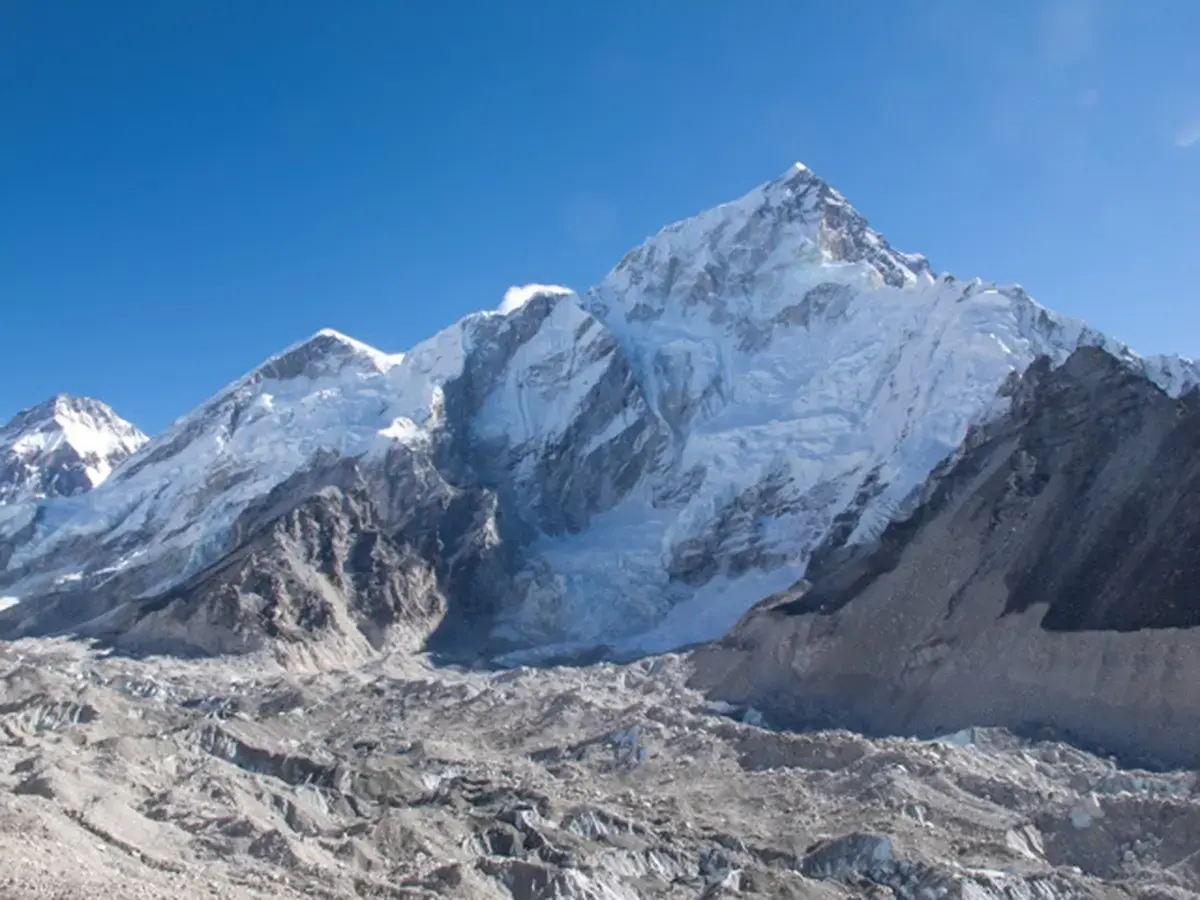
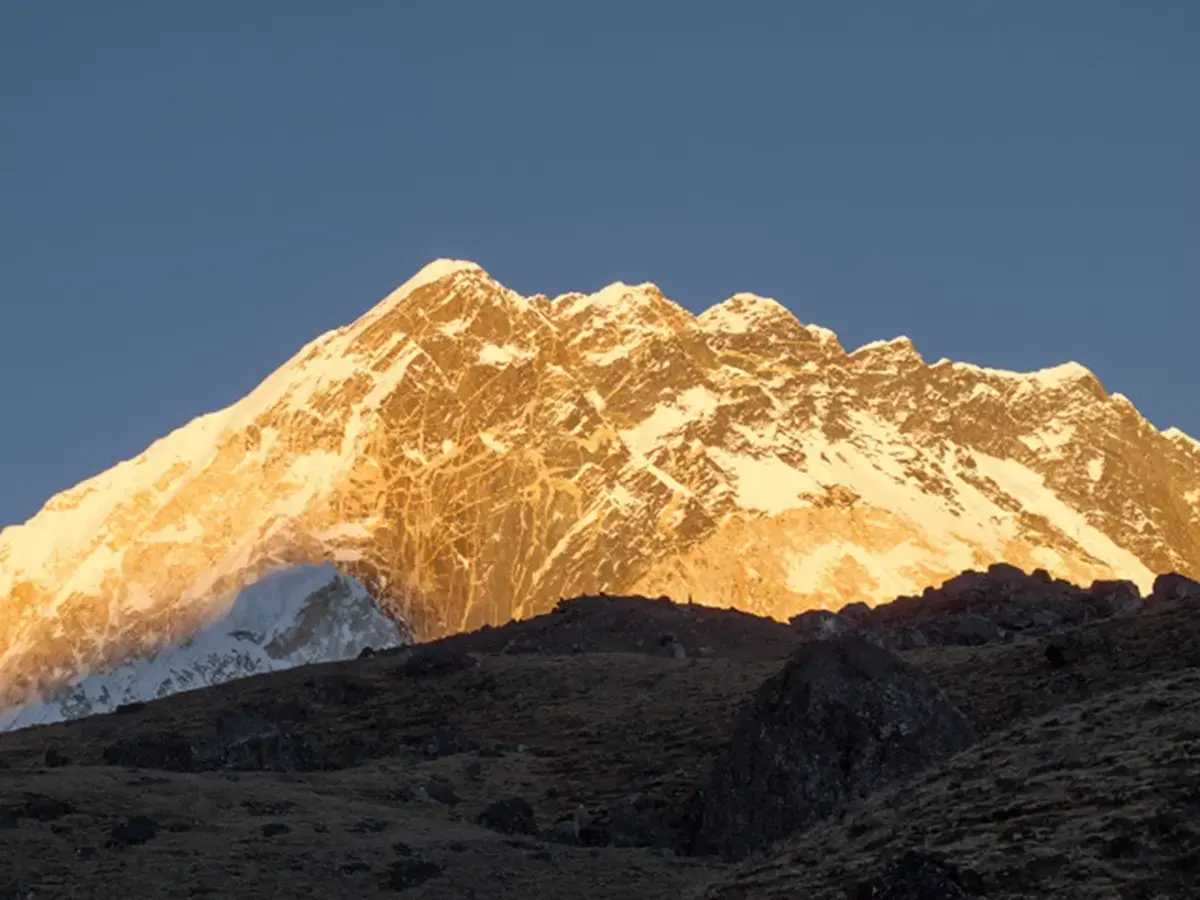
While the EBC trek with Kala Patthar offers the classic views of the Khumbu icefalls and Everest, conquering the 6,119-meter Lobuche Peak takes you to a vantage point, giving a bird's-eye perspective of the Khumbu Icefall and the jagged glacial rivers.

This is a high-altitude excursion where the risks of altitude sickness are very high. Our local guides suggest chewing on raw ginger or sipping garlic soup to combat the altitude as you move toward the technical High Camp.

The EBC and Lobuche Peak excursion is not just a walk, but an immersive mountaineering experience where your physical limits are tested against the silence of the high-altitude.

2026/2027 Lobuche Peak climbing slots are limited. Contact our travel experts to book your adventure today!

Why Go on the 19-day Everest Base Camp and Lobuche East Peak Climbing Expedition in Nepal?

The Lobuche East Peak climbing expedition offers a valid reason for seasoned trekkers, allowing them to explore further from the conventional Everest Base Camp. Combining EBC and Lobuche Peak is a progression from trekking to technical mountaineering. You can take in the complete Himalayan experience and test your endurance, which rewards your soul.

Here are the top reasons to go on this 19-day EBC and Lobuche East climbing expedition:

Dual Achievement: Why settle for the base when you can reach the peak? You get the bragging rights of reaching Everest Base Camp (5,364 meters) and conquering the technical Lobuche East (6,119 meters). While most people only see the peak from the trail, you will get the rare opportunity to look down from its icy summit at the vast Khumbu Glacier below.

Kala Patthar Acclimatization: Before the Lobuche East Peak climb, you will stand on Kala Patthar. From here, you can catch the iconic sunrise view over Mount Everest and Nuptse.

This pre-climb hike is a crucial acclimatization strategy that ensures your body is well-adapted to the high-altitude conditions.

Technical Training and Skills: More than just trekking, this route includes a dedicated climbing period. Under the expert eye of our Sherpa guides, you will learn to navigate the fixed ropes and use technical tools like ice axes, jumars, and carabiners. This is an entry-level technical climb that bridges the gap between hiking and true mountaineering.

Sherpa Cultural Immersion: Apart from the trekking in the mountainous terrain, you can also experience the rich Sherpa culture and heritage. Staying in Pangboche and Tengboche connects you spiritually with the Himalayas. You will also visit monasteries for a “puja” (blessing ritual) before your ultimate trek to the Lobuche trek.

A Typical Day during the Everest Base Camp and Lobuche East Peak Climbing 2026/2027

A typical day during the Everest Base Camp and Lobuche East Peak Climbing expedition begins with a steaming cup of “bed tea” brought to your room. By 8:00 AM, you are on the trails, maintaining the “Himalayan rhythm.”

Along the trails, you will witness yak caravans, hear the clanging of yak bells, and breathe in the crisp Himalayan air, with hints of juniper incense. Lunch is a social affair. Relish the hearty “Dal-Bhat Power, 24 Hour” meal to help keep you nourished and replenish your energy. Don’t hesitate to ask for additional servings.

Before the climbing phase, the rhythm changes significantly. You will spend time at Base Camp or High Camp and engage in pre-climb training at Lobuche High Camp. As night falls, the sheer silence of the Himalayas is broken by the distant crack of a glacier or the whipping wind against your tent. Take in this surreal experience as you prepare for yet another day of adventure in the Khumbu region.

19-day Everest Base Camp and Lobuche Peak Climbing: Cost for Transportation, Permits, Guides, and Porters

Arranging logistics for the 6,000-meter peak climbing is complex. Considering the technicalities, Adventure Trek in Himalaya provides an all-inclusive expedition package that allows you to travel hassle-free across the Khumbu region. Our EBC and Lobuche Peak Climbing package includes climbing permit, Sagarmatha National Park fees, and the Khumbu Pasang Lhamu Rural Municipality tax. We handle the garbage deposits and ensure all climbing gear (ropes, ice screws, snow bars) is ready at base camp. Our service includes the private jeep transfer to Ramechhap, ensuring your transition from the city to the mountains is seamless.

Flight update for 2026/2027: Due to air traffic, Lukla flights in peak seasons often move to Manthali (Ramechhap).

Everest Base Camp and Lobuche East Highlights 2026/2027

  • Stand on the summit of Lobuche East (6,119m) for a bird's-eye view of Everest, Lhotse, and Makalu.
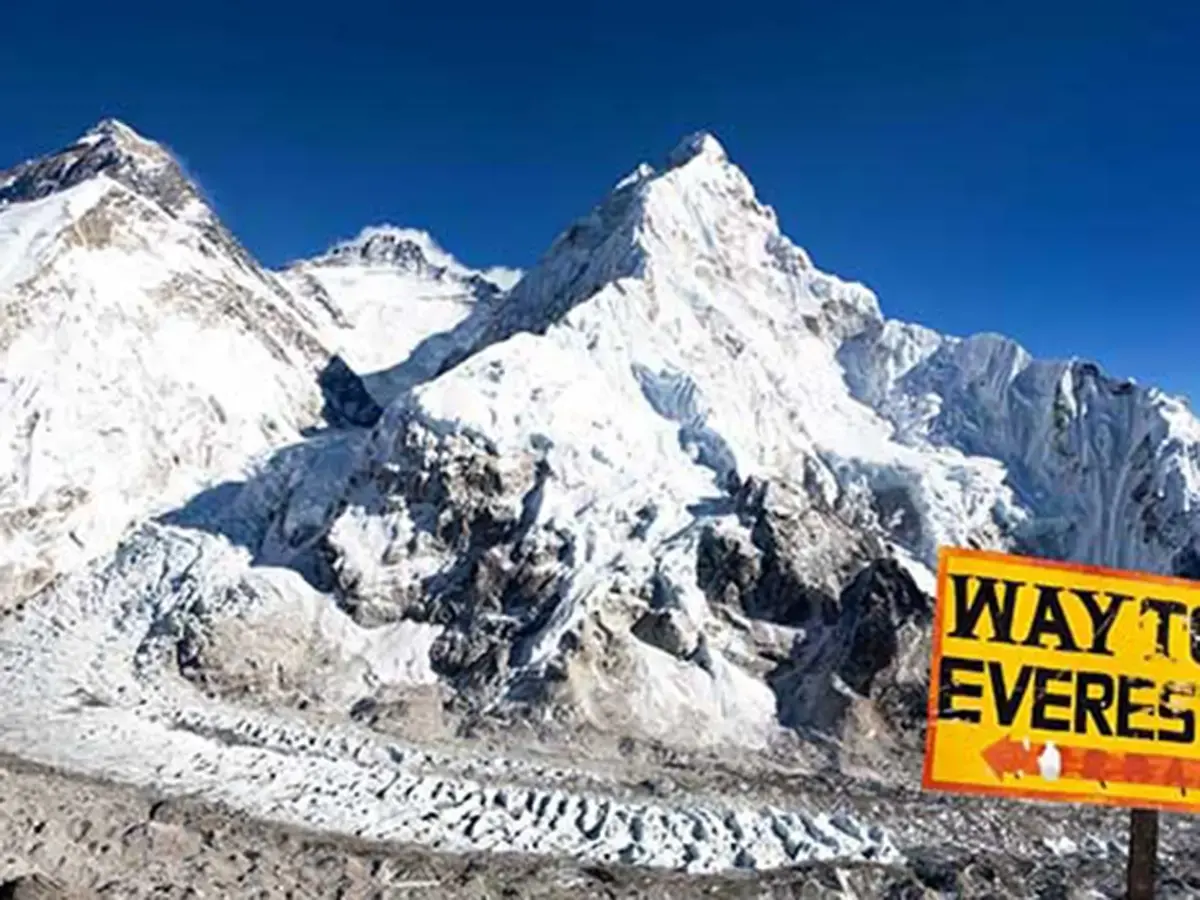
  • Reach the iconic Everest Base Camp (5,364m) and witness the Khumbu Icefall.
  • Sunrise views from Kala Patthar (5,545m), the most famous vantage point in the world.
  • Technical climbing experience using fixed ropes, crampons, and ice axes.
  • Visit the Tengboche Monastery, the largest spiritual center in the Khumbu.
  • Experience high-altitude camping at Lobuche High Camp.
  • Acclimatize in Namche Bazaar, the vibrant capital of the Sherpas.

Customized EBC and Lobuche East Peak Expedition 2026/2027

The Everest Base Camp with Lobuche East Peak climb is a comprehensive 19-day journey. However, Adventure Trek in Himalaya offers customizable options to suit your experience level. You can add extra training days at Base Camp, upgrade to luxury lodges in the lower regions, or even arrange a helicopter return from Lobuche to Kathmandu to save time.

For a fully tailored experience, share your mountaineering background with our travel experts. We can adjust the itinerary to ensure you have the best possible chance of standing on the summit.
Everest Base Camp Trek with Lobuche East Peak Climbing Itinerary

Day 1 -2

Arrival in Kathmandu and Preparation

Your journey to EBC and Lobuche East Peak begins upon arriving in Nepal. In the Tribhuvan International Airport, our representatives will welcome and help transfer you to your hotel. On day 2, you will dedicate your time to gear checks and formal briefings. This is also your final opportunity for last-minute shopping or to rent any specialized mountaineering equipment, like boots or climbing hardware.

Max Altitude: 1,400m
Meals: Null
Accommodation: Kathmandu Hotel (Not included)
Day 3

Fly to Lukla and Trek to Phakding

Your adventure begins with a scenic flight over the diverse terrain. After a 35-minute flight, you land in Lukla’s Tenzing-Hillary Airport, the gateway to Everest. From the airport, you will walk to Phakding. The gentle descent along the trail is perfect for warming up your legs and getting used to the rhythm of the trail.

Max Altitude: 2,610m
Meals: Breakfast, Lunch, and Dinner
Duration: 35 min flight; 3-4 hours trek
Accommodation: Teahouse
Day 4

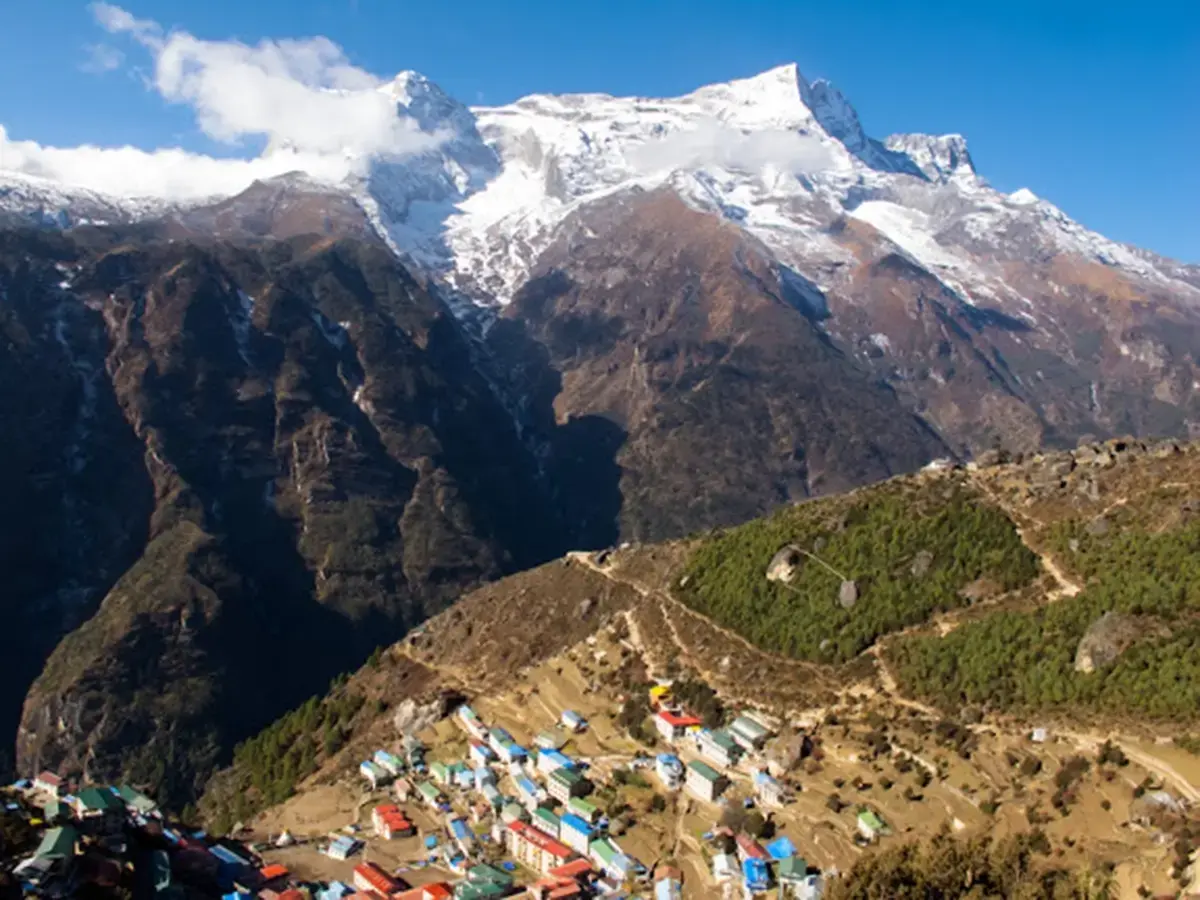
Trek to Namche Bazaar

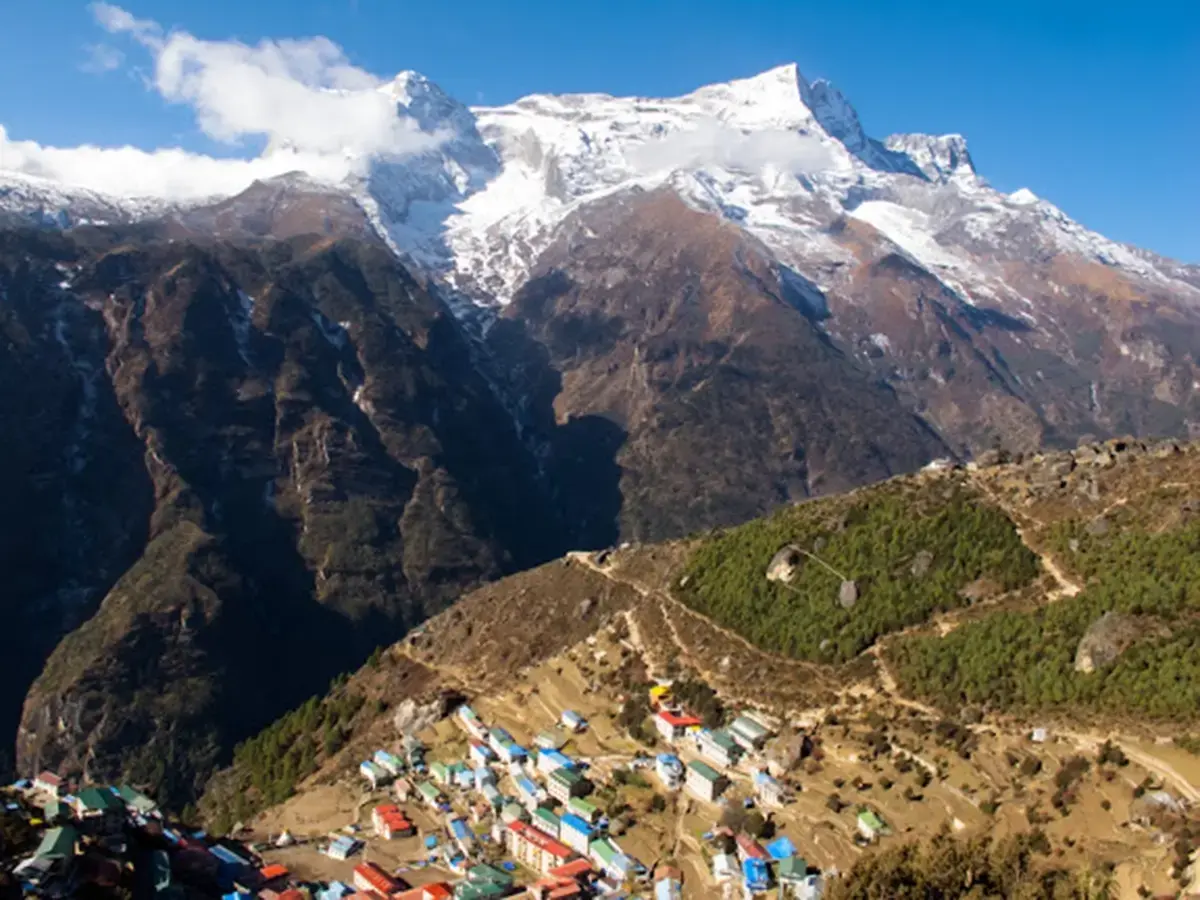
Today’s trek begins with a steady climb following the Dudh Koshi River. On your way to Namche, you will cross the high Hillary Suspension Bridge before tackling the steep Namche Hill. On a clear day, you can also get your first glimpse of the mighty Everest and other surrounding peaks.

Max Altitude: 3,440m
Meals: Breakfast, Lunch, and Dinner
Duration: 6 hours
Accommodation: Teahouse/Lodge (Private Bathroom)
Day 5

Acclimatization in Namche Bazaar

Acclimatization stops are crucial while trekking in the high-altitude regions of the Himalayas. This helps your body to adapt to the increasing altitude. As a part of the acclimatization process, you will follow the “climb high, sleep low” strategy. Your guide will take you to the Everest View Hotel, where you can catch a panoramic glimpse of Ama Dablam and Everest before heading back to Namche.

Max Altitude: 3,880m
Meals: Breakfast, Lunch, and Dinner
Duration: 3-4 hours hike
Accommodation: Teahouse/Lodge (Private Bathroom)
Day 6

Trek to Tengboche

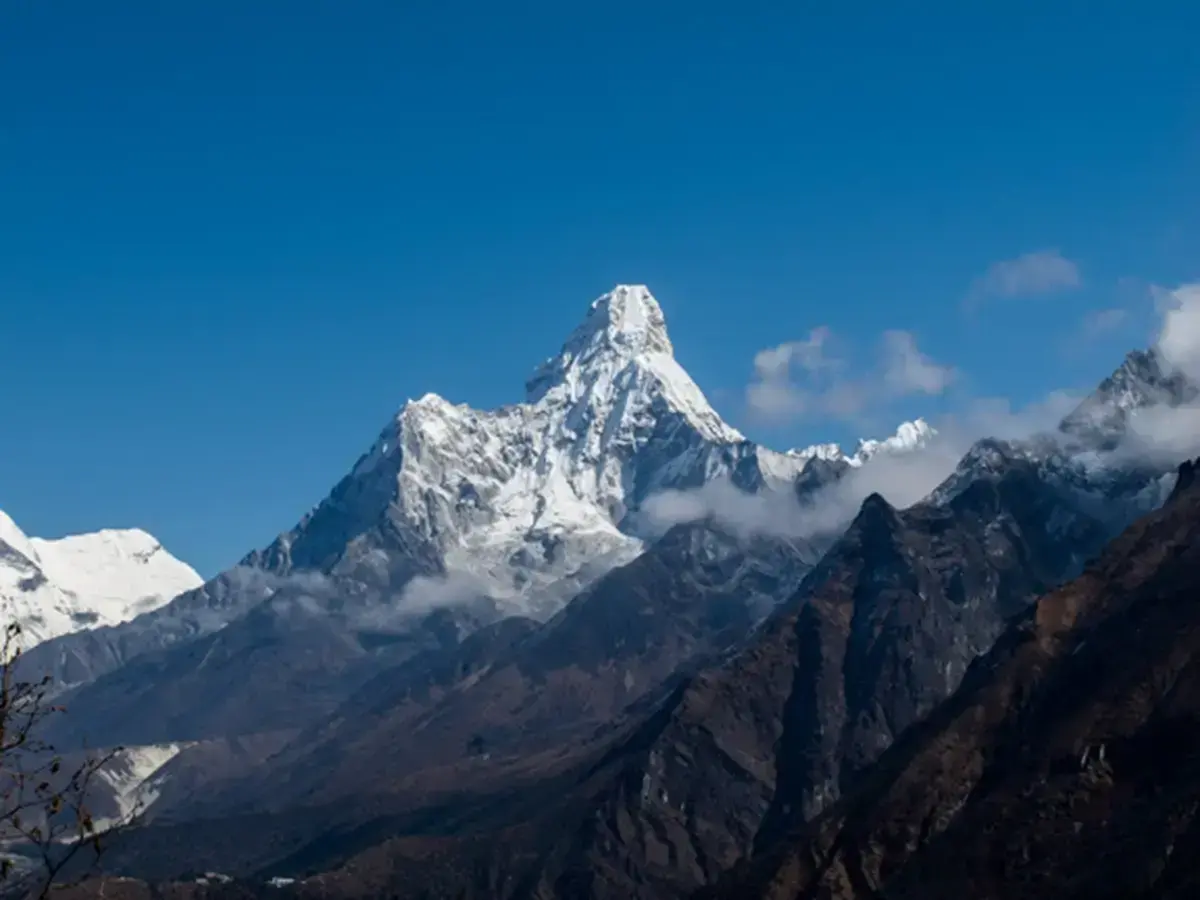
From Namche, the trail drops to the river and then climbs steeply through rhododendron forests to reach the famous Tengboche monastery, the spiritual heart of the Khumbu region. Here, you can witness the monks performing evening rituals and catch the surreal sunset view over Ama Dablam.

Max Altitude: 3,860m
Meals: Breakfast, Lunch, and Dinner
Duration: 5-6 hours
Accommodation: Teahouse
Day 7

Trek to Dingboche

Day 8

Acclimatization in Dingboche

Today is your second acclimatization day. To help you cope with the increasing altitude, you will hike to Nagarjung Hill. This hike helps your body produce the red blood cells needed for the Lonuche summit. From the Nagarjuna Hill vantage point, you will get views of Makalu and the North Face of Ama Dablam.

Max Altitude: 5,100m
Meals: Breakfast, Lunch, and Dinner
Duration: 4 hours hike
Accommodation: Teahouse
Day 9

Trek to Lobuche Village

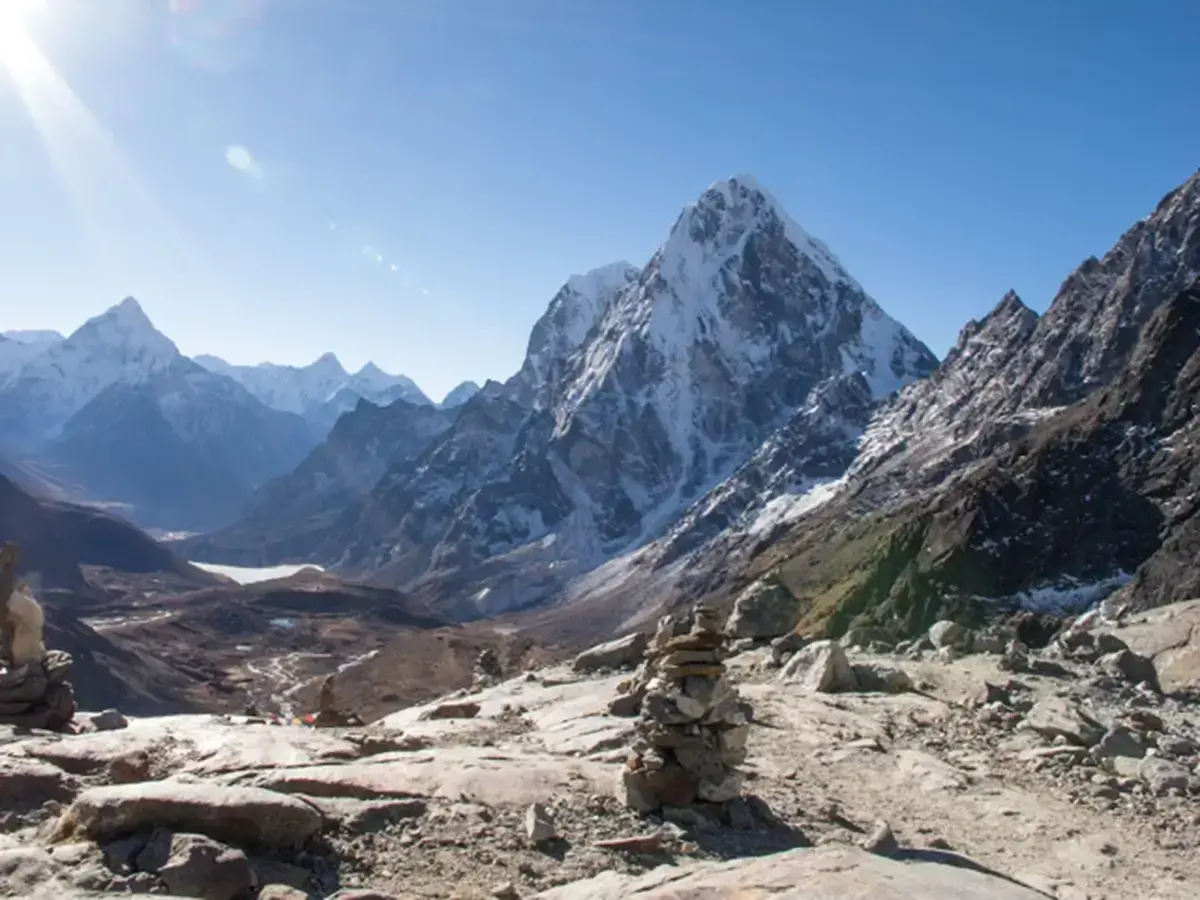
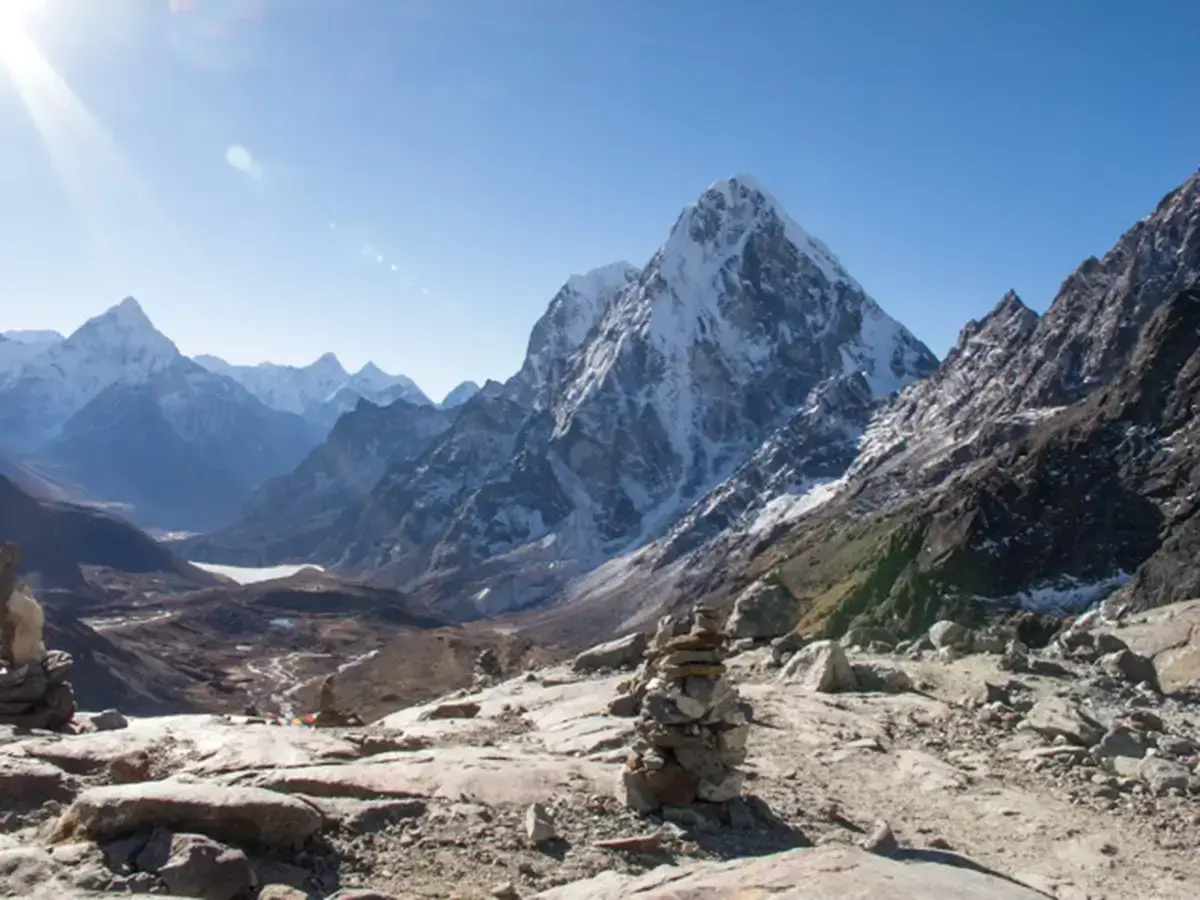
The trail today takes you to Lobuche Village, passing through the Thukla Pass. As you cross the Thukla Pass, you will see dozens of stone memorials dedicated for climbers who lost their lives on Everest. This is a humbling experience that reminds you of the majesty and power of the mountains before you reach the small cluster of lodges at Lobuche.

Max Altitude: 4,910m
Meals: Breakfast, Lunch, and Dinner
Duration: 4-5 hours
Accommodation: Teahouse
Day 10

Trek to Everest Base Camp (EBC) and Gorak Shep

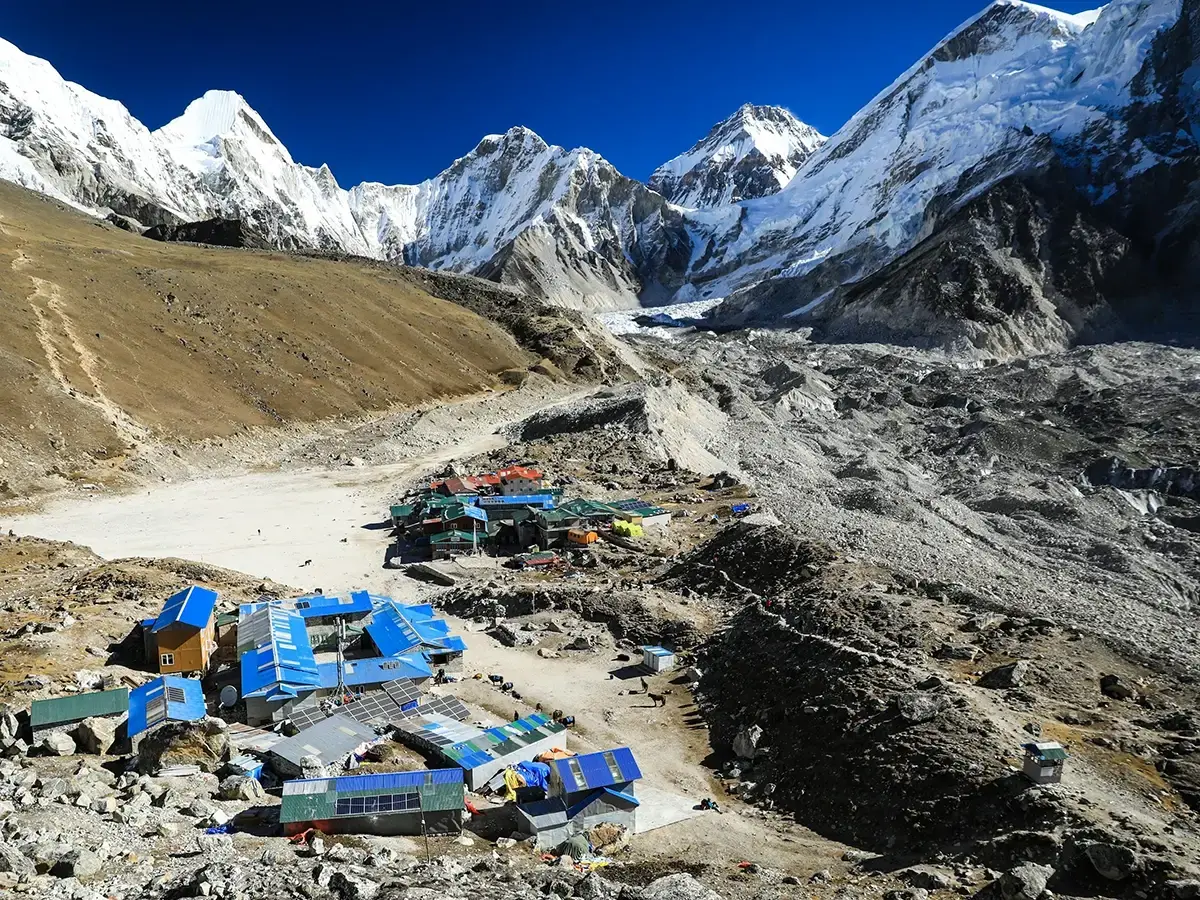
This is a dream-come-true moment for many trekkers. Trekking along the rocky moraine of the Khumbu Glacier, you will reach Everest Base Camp. Stand among the yellow tents of the mountaineers, and take in the majestic view of the vast Khumbu Glacier before returning to Gorak Shep for a high-altitude night.

Max Altitude: 5,364m
Meals: Breakfast, Lunch, and Dinner
Duration: 7-8 hours
Accommodation: Teahouse
Day 11

Hike to Kala Patthar and return to Lobuche

A pre-dawn hike takes you to the summit of Kala Patthar for the most famous view of Mount Everest's face. After soaking in the sunrise, descend back through Gorak Shep to Lobuche village to refocus on the climbing phase.

Max Altitude: 5,545m
Meals: Breakfast, Lunch, and Dinner
Duration: 6-7 hours
Accommodation: Teahouse
Day 12

Trek to Lobuche Base Camp

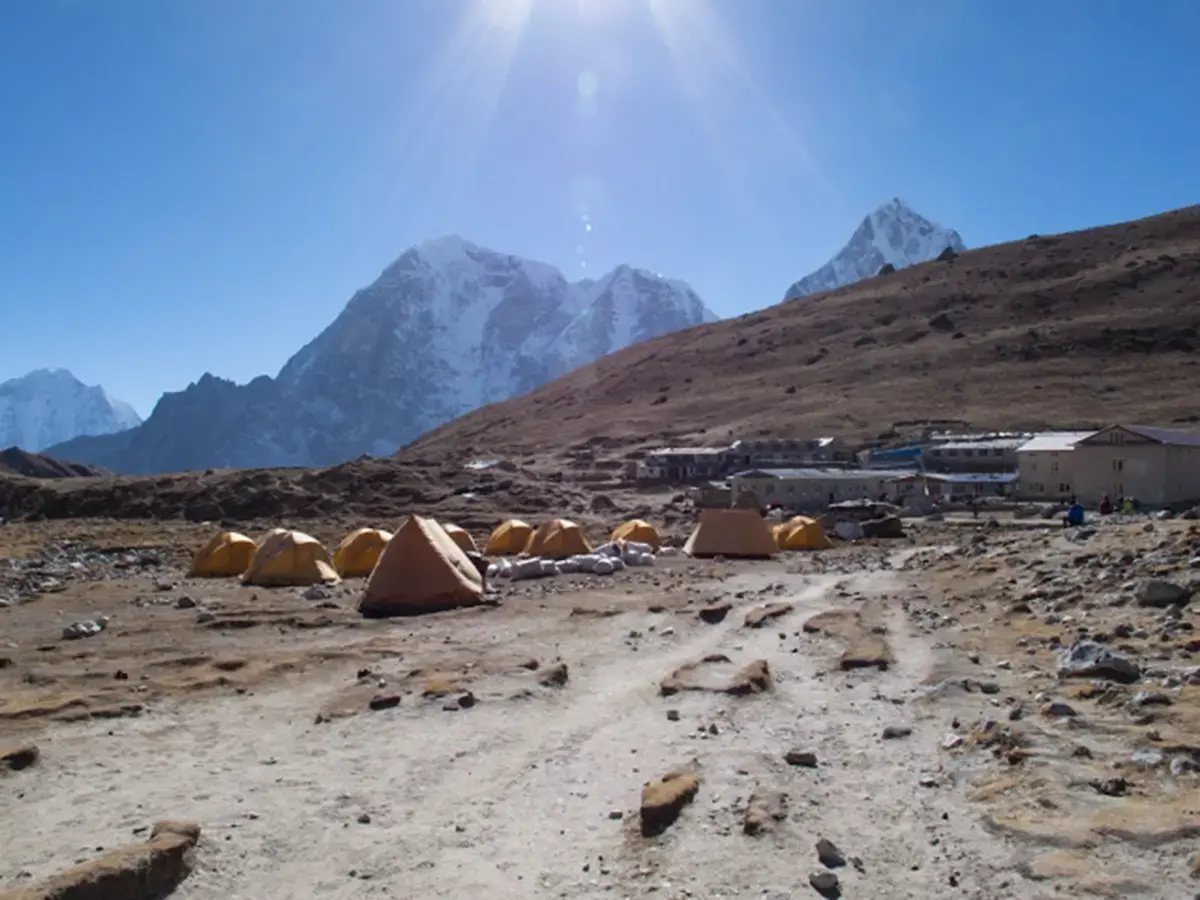
You will exchange your lodges for tents. But worry not, our climbing team will have set up everything. The afternoon in Lobuche Base Camp turns into “climbing school.” You will practice the use of ropes and jumars on nearby rock or ice slopes until you feel confident.

Max Altitude: 4,950m
Meals: Breakfast, Lunch, and Dinner
Duration: 3-4 hours
Accommodation: Tented Camp
Day 13

Trek to High Camp

A short move up to High Camp. It’s a rocky, exposed spot, but the views of the valley below are incredible. Early dinner and in your sleeping bag by sunset; you’ve got a big night ahead.

Max Altitude: 5,400m
Meals: Breakfast, Lunch, and Dinner
Duration: 4 hours
Accommodation: Tented Camp
Day 14

Summit Lobuche Peak (6,119m) and back to Base Camp

The ultimate pinnacle of your 19-day Everest Base Camp and Lobuche East Peak expedition is finally here. You will wake up at midnight for the thrilling summit ascent. Using a headlamp and professional climbing gear, you will follow the fixed ropes up the snow face.

The last ridge to the summit is airy and exciting. Standing on top is a feeling you can't describe. You will descend carefully back to Base Camp for a celebration dinner.

Max Altitude: 6,119m
Meals: Breakfast, Lunch, and Dinner
Duration: 8-10 hours
Accommodation: Tented Camp
Day 15

Descend to Pangboche

Now that the climb is over, you will drop to the lower altitude fast. The air feels "thick" and easy to breathe again. You

Max Altitude: 3,930m
Meals: Breakfast, Lunch, and Dinner
Duration: 6 hours
Accommodation: Teahouse
Day 16

Trek to Namche Bazaar

Returning to Namche feels like returning to civilization. After two weeks of cold and tents, your first hot shower awaits in your teahouse. This is going to feel like the best thing, apart from summitting Lobuche East. Celebrate your successful climb with your team. Grab a beer at the world’s highest Irish Pub.

Max Altitude: 3,440m
Meals: Breakfast, Lunch, and Dinner
Duration: 6 hours
Accommodation: Teahouse
Day 17

Trek to Lukla

This is your final stretch of the trek. Your legs are tired, but your spirits are still high. You will walk through the Lukla gate and have a final party with your fellow trekkers, guides, and porters.

Don’t forget to tip the people who made your expedition a success.

Max Altitude: 2,860m
Meals: Breakfast, Lunch, and Dinner
Duration: 7 hours
Accommodation: Teahouse
Day 18

Fly to Kathmandu

One last flight over the mountains. Back in Kathmandu, you’ll be transferred to your hotel. Use the day to sleep, get a massage, or eat a hearty meal.

Max Altitude: 1,400m
Meals: Breakfast
Duration: 35 min flight
Accommodation: Null
Day 19

Depart Kathmandu

Our representative will help you transfer from the hotel to the airport. Be ready to leave the hotel at least 2 hours before your scheduled flight.

Max Altitude: Null
Meals: Breakfast
Duration: Null
Accommodation: Null
Plan Your Trip Your Way
Can't find a suitable date? No worries! Our experts will help you plan a departure date that fits your schedule and make your adventure happen at the perfect time.

Cost Details

Includes

  • Domestic Flights: Round-trip flights (Kathmandu/Manthali – Lukla – Kathmandu/Manthali), including private jeep transfers to and from Manthali if required.
  • Airport Transfers: All private ground transportation to and from Kathmandu International Airport and your hotel.
  • Accommodations (15 Nights Total):
    - Five nights in premium rooms with private attached bathrooms at Lukla, Namche (3N), and Phakding.
    - Eight nights in comfortable twin-sharing teahouses at Tengboche, Dingboche, Lobuche, and Gorakshep.
    - Two nights of high-altitude camping in professional-grade tents at Lobuche Base Camp and High Camp (twin sharing).
  • Food: Standard full-board meals (16 Lunches, 15 Dinners, and 16 Breakfasts) during the trek and climbing period.
  • Freshness: Seasonal fresh fruits are provided every day during the trek.
  • Professional Crew: Government-licensed climbing leader, experienced trekking guide, and a dedicated team of porters and cooks for the climbing portion.
  • Crew Expenses: All salary, insurance, lodging, food, and flight costs for the guide, porters, and climbing staff.
  • Permits and Fees:
    - Lobuche Peak climbing permit and garbage deposit.
    - Sagarmatha National Park entry permit.
    - Khumbu Pasang Lhamu Rural Municipality fees.
  • Camping Infrastructure: All group equipment, including kitchen tents, dining tents, toilet tents, tables, chairs, and kitchen utensils.
  • Climbing Gear: Group technical gear, including fixed ropes, ice screws, and snow bars.
  • Personal Gear: High-quality sleeping bags, down jackets, and duffel bags are provided on a loan basis if you do not have your own.
  • Safety and First Aid: Comprehensive medical kits, including an oximeter to monitor blood oxygen saturation levels at high altitudes.
  • Storage: Free excess luggage storage at our Kathmandu store for the duration of the trek.

Excludes

  • International Airfare: Flights to and from your home country.
  • Kathmandu Accommodation: Hotel stays and meals in Kathmandu before and after the journey.
  • Extra Nights: Any additional accommodation costs in Kathmandu due to early arrival, late departure, or early return from the mountains.
  • Tipping: Tips for your guides, porters, and climbing crew (a customary mountain tradition).
  • Nepal Visa: Visa fees (currently 50 USD for 30 days, payable upon arrival).
  • Insurance: Mandatory travel insurance that specifically covers high-altitude helicopter rescue and emergency medical evacuation.
  • Personal Expenses: Personal shopping, snacks, laundry, and telephone calls.
  • Lodge "Extras": Boiled or bottled water, hot and cold drinks (tea/coffee/sodas), alcohol, hot showers, Wi-Fi, and battery charging fees.
  • Personal Gear: Your personal clothing and specialized climbing gear (mountaineering boots, crampons, etc.).
  • Baggage Overweight: Any excess baggage charges on domestic flights (the limit is typically 9kg for hold luggage and 5kg for carry-on).
  • Contingency Costs: Any additional expenses arising from delays beyond our control, such as weather, landslides, strikes, illness, or changes in government policy.

Essential Information

When is the Best Time for the Everest Base Camp and Lobuche Peak Climb?

Spring (March to May) is the prime window if you want to soak up the "Everest fever." This is when the big expeditions are in full swing, and the Khumbu is buzzing with energy. The temperatures are more manageable, and the climbing routes are usually well-trodden and fixed early by Sherpa teams. You’ll see the rhododendrons blooming in the lower valleys, though afternoon clouds are common.

Autumn (October to November) is my top recommendation for clarity. Post-monsoon, the dust is washed away, leaving the air incredibly crisp and the views of Everest razor-sharp. It’s significantly colder than spring, especially at Lobuche High Camp, but the weather is generally more stable with fewer flight cancellations.

How Difficult is the Lobuche East Peak Climb? Who can go on this Trek?

Lobuche East is officially graded PD+ (Peu Difficile+), which means it’s a "bit difficult" but technically accessible. This is a massive step up from a standard trek. You will be using a jumar (ascender) on fixed ropes to tackle a steep 45-to-50-degree headwall, and the exposure on the final summit ridge can be quite daunting if you don't like heights.

This expedition is suitable for:

  • Fit and gritty travelers looking for their first shot on mountaineers. You don’t need to be a pro-mountaineer, but you must have the “mountain sense” and solid coordination.
  • Physically prepared mountaineers who can endure 10+ hours of trekking on summit day.
  • Trekkers who have completed high-altitude treks like Everest Base Camp and want to trade trekking poles for an ice axe.

Preparations and Gear Checklist for Everest Base Camp and Lobuche East Peak Expedition

Lobuche Peak Climbing requires proper preparation and solid gear. Below is a comprehensive gear checklist that we would recommend for travelers:

Head and Face Protection

  • Sun Hat and Woolen Beanie (The beanie must cover your ears for the summit wind)
  • UV Protection Sunglasses (Category 4 lenses are best to prevent snow blindness on the glacier)
  • Buff or Neck Gaiter (A silk or fleece buff is vital to keep the dry air from causing the Khumbu cough)
  • Sunblock and Lip Balm (SPF 50 or higher to combat the intense high altitude radiation)

Body Clothing

  • Moisture-wicking Base Layers (Merino wool is the gold standard for staying dry and managing odors)
  • Fleece or Softshell Mid-Layer (Perfect for the movement between Chhukung and Base Camp)
  • Waterproof and Windproof Shell Jacket (Gore-Tex or similar breathable fabric for the summit ridge)
  • Heavy Down Jacket (Rated for -20°C to handle the bitter pre-dawn summit push)
  • Lightweight and Heavy Trekking Trousers (Layering is key for the freezing mornings and warm afternoons)

Lower Body and Footwear

  • Trekking Socks (4 to 5 pairs, including thick woolen socks specifically for the climb)
  • Hiking Boots (Water-resistant and fully broken-in before you land in Lukla)
  • Double Mountaineering Boots (Required for Island Peak to keep your toes warm in the snow)
  • Sandals or Camp Shoes (Crucial for letting your feet breathe in the teahouses and tents)

Hand Protection

  • Inner Lightweight Gloves (For dexterity when adjusting your climbing harness or drinking water)
  • Heavy Waterproof Warm Outer Gloves (Critical for handling frozen ropes on the summit headwall)

Essential Trekking and Safety Gear

  • Day Pack (30 to 45L with a waterproof rain cover for your daily essentials)
  • Sleeping Bag (Rated to -20°C for the cold nights spent at Island Peak Base Camp)
  • Trekking Poles (These are essential to save your knees during the long descent from the summit)
  • Headlamp with extra batteries (A high-lumen lamp is required for the 2 AM summit start)
  • Water purification tablets or a high-quality filter
  • Personal First Aid Kit and plenty of Cash (NPR is needed for extra snacks or charging fees in the mountains)
Speak to an Expert
Sudarsan Naupane
Sudarsan Naupane