Everest Base Camp and Gokyo Lake Trek via Cho La Pass

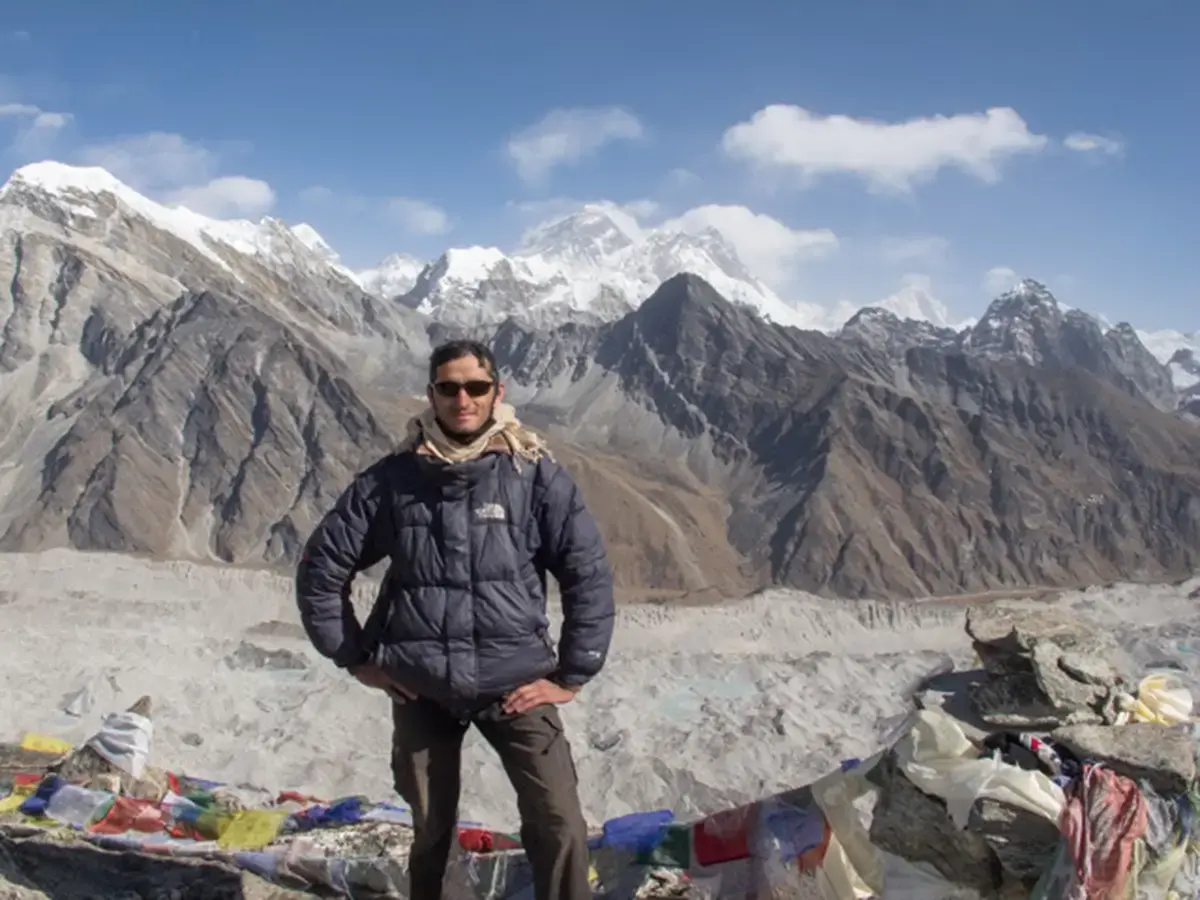
The Everest Base Camp and Gokyo Lake Trek via Cho La Pass is the ultimate grand circle of the Himalayas. This 17-day journey includes an immersive trek to the Everest Base Camp and the emerald-blue Gokyo Lakes, passing through the Cho La Pass (5,420m). It is a journey of contrasts. Experience the bustling Khumbu glacier to the quiet ambiance of the Gokyo valley, as you take in the 360-degree panorama of Everest, Lhotse, Makalu, and Cho Oyu

Duration
17 Days
Trip Grade
Strenuous
Maximum Altitude
5,555 meters
Starts
Kathmandu
Ends
Kathmandu
Group Size
Up to 12 Pax (Standard)
Activities
Trekking
Best Time
Spring (March to May) and Autumn (September to November)

Designed for seasoned trekkers looking for an immersive Himalayan journey, the 17-day Everest Base Camp and Gokyo Lake via Cho La Pass takes you deep into the hidden corners of the Khumbu region. Each day offers distinct experiences as you follow the footsteps of legendary climbers toward EBC. The real magic happens when you steer away from the crowds to cross the technical Cho La Pass.

There is a specific rhythm to the Khumbu that you can only understand once you cross the high passes. In no time, you’ll live by the “Bistarai, Bistarai” (slowly, slowly) mantra. Trust us, even if you feel like an athlete, the altitude doesn’t care.

As you reach higher elevations, include garlic soup in every meal. It’s the local secret for keeping your blood moving when the air gets thin. You’ll also want to keep a buff or neck gaiter pulled up constantly. The "Khumbu Cough" is no joke! The dry, freezing air of the Everest can cause trouble if you’re not careful.

We’re already taking bookings for the 2026/2027 season. Spots are filling up, so reach out if you’re ready to actually do this.

Why Go on the Everest Base Camp and Gokyo Lake Trek in Nepal?

Conquer the ultimate grand circle of the Everest region. While most people choose one side of the mountain, this circuit ensures you discover the hidden gems of the Khumbu region, including the turquoise lakes of Gokyo and the Cho La Pass.

The Ultimate High-Pass Challenge: Crossing the Cho La Pass (5,420m) is a prestigious moment for all climbers. More than just a walk, it’s an adventure over rock and a trek across a literal glacier. Having microspikes handy is a pro tip for the icy descent into Thagnak, ensuring you stay upright on the slick blue ice.

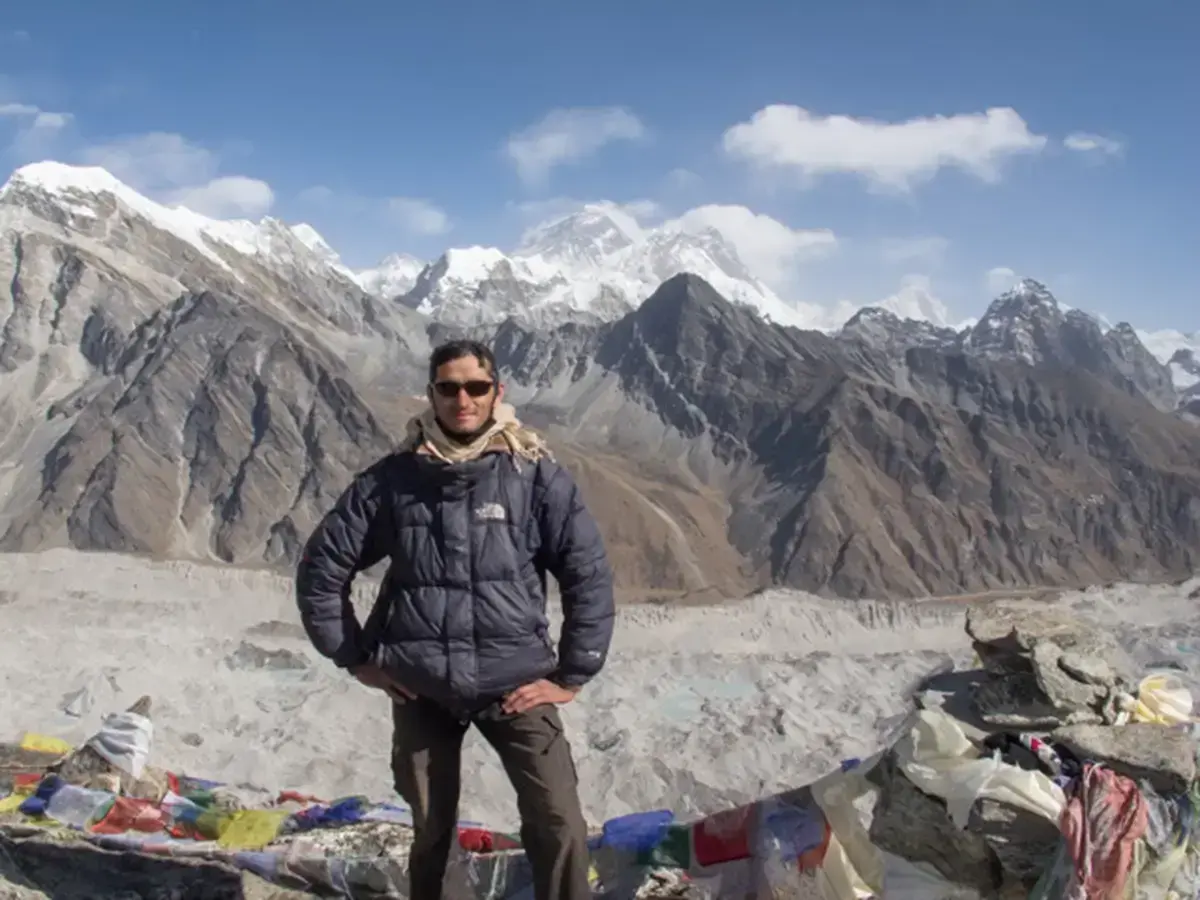
Dual Iconic Viewpoints: Different from most EBC treks, you don't have to choose between Kala Patthar and Gokyo Ri. This itinerary includes both. From Kala Patthar, you get the classic, close-up "black rock" view of Everest’s face, while Gokyo Ri offers a wider panorama of four 8,000-meter giants, including Everest, Lhotse, Cho Oyu, and Makalu.

The Ngozumpa Glacier Crossing: You will walk across the largest glacier in the Himalayas. The path changes every year as the ice shifts beneath the debris. Listening to the glacier roar in the afternoon sun is a reminder that the mountains are alive and constantly moving around you.

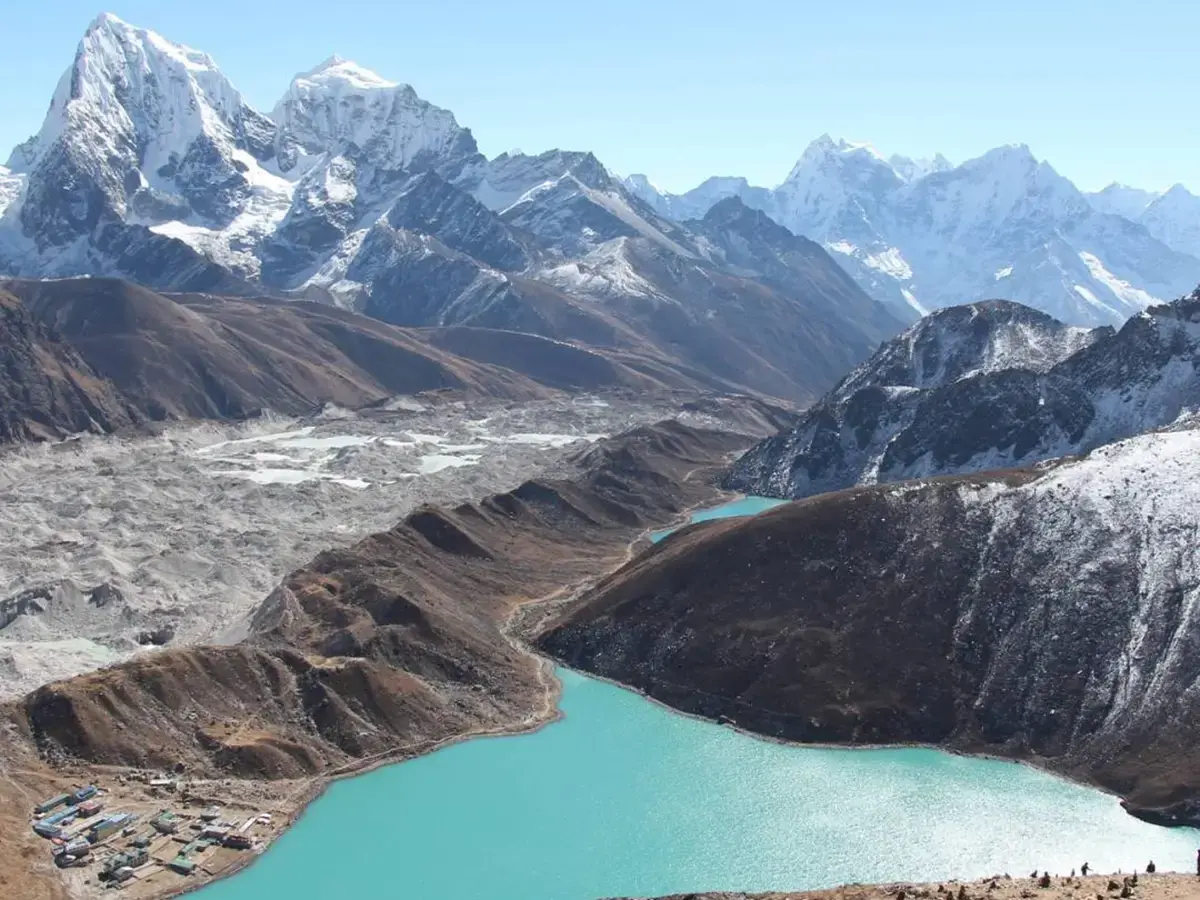
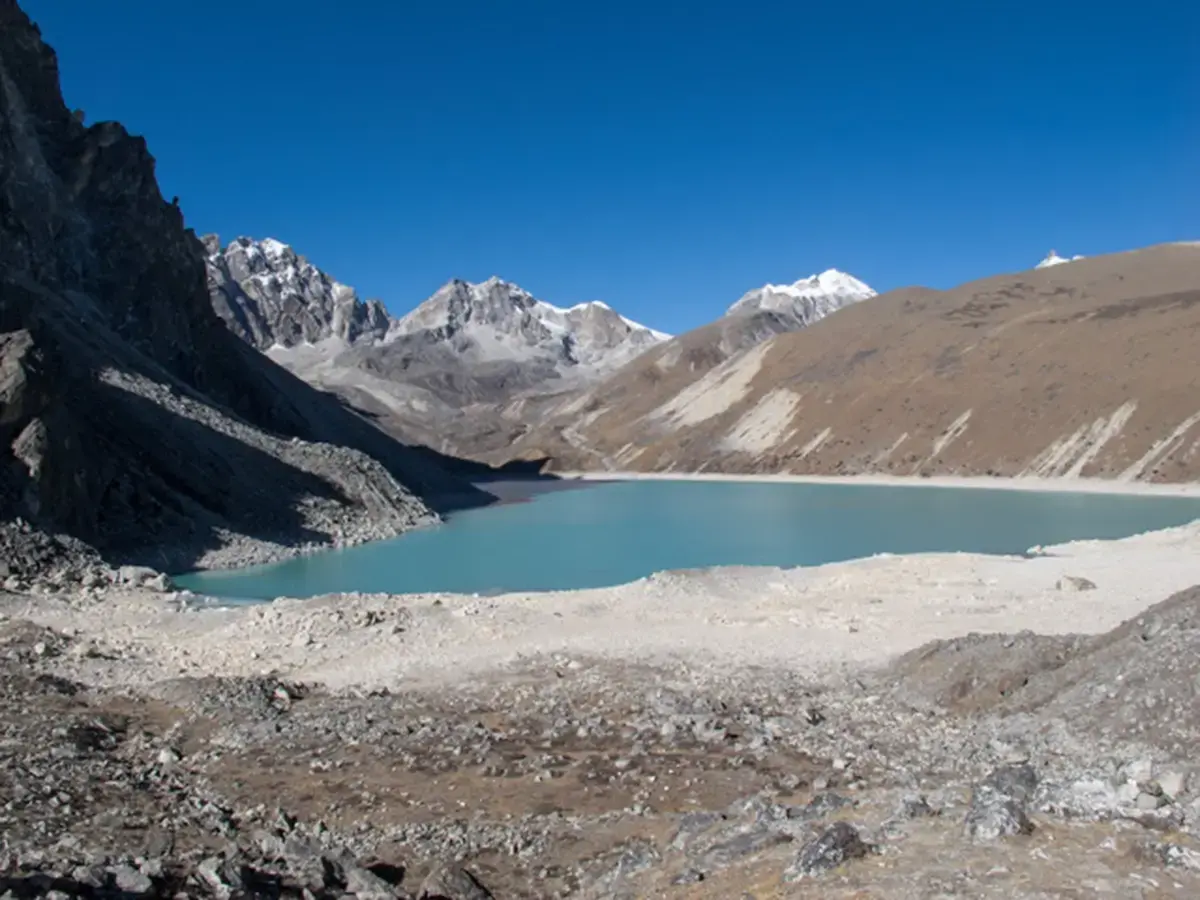
The Sacred Gokyo Lakes: There is a spiritual serenity at the third Gokyo Lake (Dudh Pokhari) that you won't find at the crowded Base Camp. The water is a shade of turquoise so bright it looks painted. Staying overnight on the lakeshore allows you to see the water change color with the moving sun.

A Typical Day during the EBC and Gokyo Lake Trek via Cho La Pass

Your dimly lit Sherpa tea house is illuminated with the first rays of the sun at around 6:00 AM. Before you move out of your warm cocoon, a staff member brings you your bed tea, before breakfast, to help kickstart the day.

By 7:30 AM, you will be on the trails. The morning air is crisp, and the mountain views are the sharpest. Later in the day, the afternoon clouds roll in, disrupting views of the vast landscapes.

Your journey passes through rhododendron forests or over high-alpine terrain. At around noon, you stop for the mid-day Dal-Bhat. Wrap up on time, as you aim to reach your overnight destination by mid-afternoon to avoid the bitter evening chills.

Once at the lodge, the routine is simple. You’ll change into dry clothes, grab a cup of chiya, and huddle around the central stove. Around these traditional yak-dung-powered stoves, you can share stories and interact with your fellow travelers.

As the sun sets, the temperature drops instantly. The absence of light pollution makes the stars appear close. Spend a brief moment gazing at the night sky before heading for bed.

Everest Base Camp and Gokyo Lake Trek via Cho La Pass: Cost for Logistics, Flights, and Permits

Let’s be honest, planning a 17-day EBC and Gokyo Lake trek is a logistical nightmare if you do it by yourself. Our travel experts have designed this trek to ensure a hassle-free experience. Your permits, flights, and logistics are already included in the price.

You should know that Lukla flights usually move to Ramechhap during the busiest months to avoid the Kathmandu airport madness. It’s an extra drive, but we handle the road transfer for you, so you don't have to scramble for a seat on a bus.

Everest Base Camp and Gokyo Lake Trek via Cho La Pass Highlights 2026/2027

  • Stand at Everest Base Camp (5,364 meters) and witness the Khumbu Icefall.
  • Summit Kala Patthar (5,555 meters) for the world’s best sunrise view of Mt. Everest.
  • Cross the high Cho La Pass (5,420 meters), a thrilling glaciated mountain pass.
  • Visit the Sacred Gokyo Lakes, six high-altitude emerald gems.
  • Summit Gokyo Ri (5,357 meters) for a panorama of Everest, Lhotse, Makalu, and Cho Oyu.
  • Visit the world-famous Tengboche Monastery for a morning prayer ceremony.
  • Walk across the Ngozumpa Glacier, the longest glacier in the Himalayas.

Customized EBC and Gokyo Lake Trek in Nepal

The 17-day Everest Base Camp and Gokyo Lake Trek via Cho La Pass circuit is a robust adventure. We know every trekker has different preferences. Adventure Trek in Himalayas offers full customization for this route.

You can add extra acclimatization days in Dingboche, upgrade to lodges with attached bathrooms in the lower regions, or even arrange a helicopter return from Gokyo to Kathmandu to save three days of trekking. Share your plans with our experts to build your perfect Himalayan adventure.
Everest Base Camp and Gokyo Lake Trek via Cho La Pass Itinerary

Day 1

Arrive in Kathmandu

Welcome to Kathmandu! Our team will meet you at the airport and transfer you to your hotel. Today is dedicated to rest. If you have the energy, explore the vibrant capital as you soak in the bustling traffic and incense-filled air in its ancient temples.

Max Altitude: 1,400 meters
Meals: Null
Duration: 1 hour transfer
Accommodation: Null
Day 2

Trekking Preparation Day

Today, you will spend most of your day checking your essentials and permit processing. You will meet your guide for a briefing on the trail conditions and what to expect during the trek. This is also your final chance for last-minute shopping.

Max Altitude: 1,400 meters
Meals: Breakfast
Accommodation: Null
Day 3

Fly to Lukla, trek to Phakding

The flight to Lukla is an adventurous journey. Upon landing, you will find cleaner air and crisper skies. From Lukla, your trek begins with a gentle descent through Mani walls and prayer flags toward Phakding. You will follow the Dudh Koshi River to reach your overnight destination.

Max Altitude: 2,610 meters
Meals: Breakfast, Lunch, Dinner
Duration: 35 min flight; 3-4 hours trek
Accommodation: Teahouse/Lodge
Day 4

Trek to Namche Bazaar

Prepare for the Namche climb. After crossing the Hillary Suspension Bridge, you will face the strenuous uphill trails of the Namche Hill. At around the halfway point, you will find the first distant glimpse of Mount Everest through the trees.

Max Altitude: 3,440 meters
Meals: Breakfast, Lunch, Dinner
Duration: 6–7 hours
Accommodation: Teahouse/Lodge
Day 5

Acclimatization in Namche

Your strategy today is “Climb high, sleep low.” To follow this principle, you will hike to the Everest View Hotel for a panoramic view of the Himalayas. Upon returning, you can spend the rest of your afternoon exploring Namche’s bakeries. This is the last chance to enjoy a fresh croissant before heading to the higher elevations.

Max Altitude: 3,880 meters
Meals: Breakfast, Lunch, Dinner
Duration: 3-4 hours
Accommodation: Teahouse/Lodge
Day 6

Trek to Tengboche

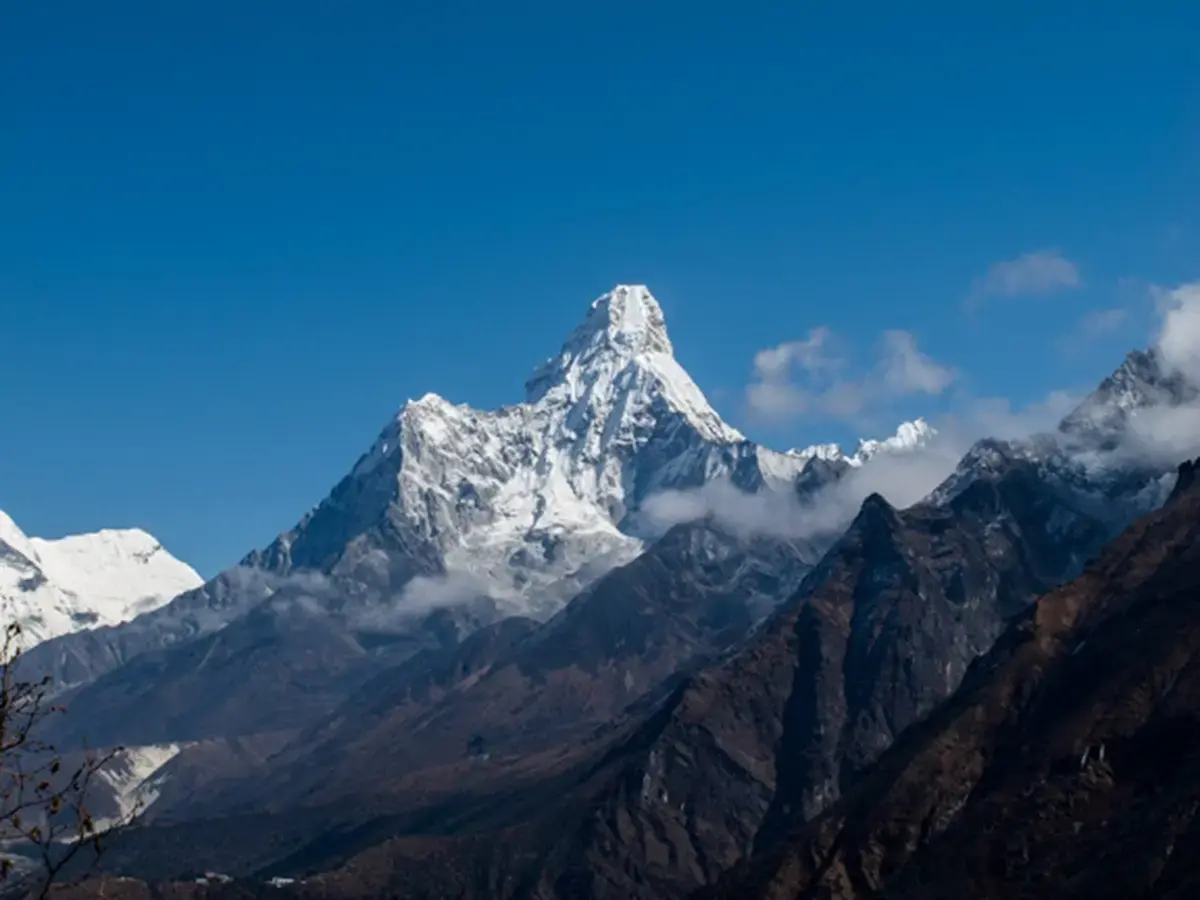
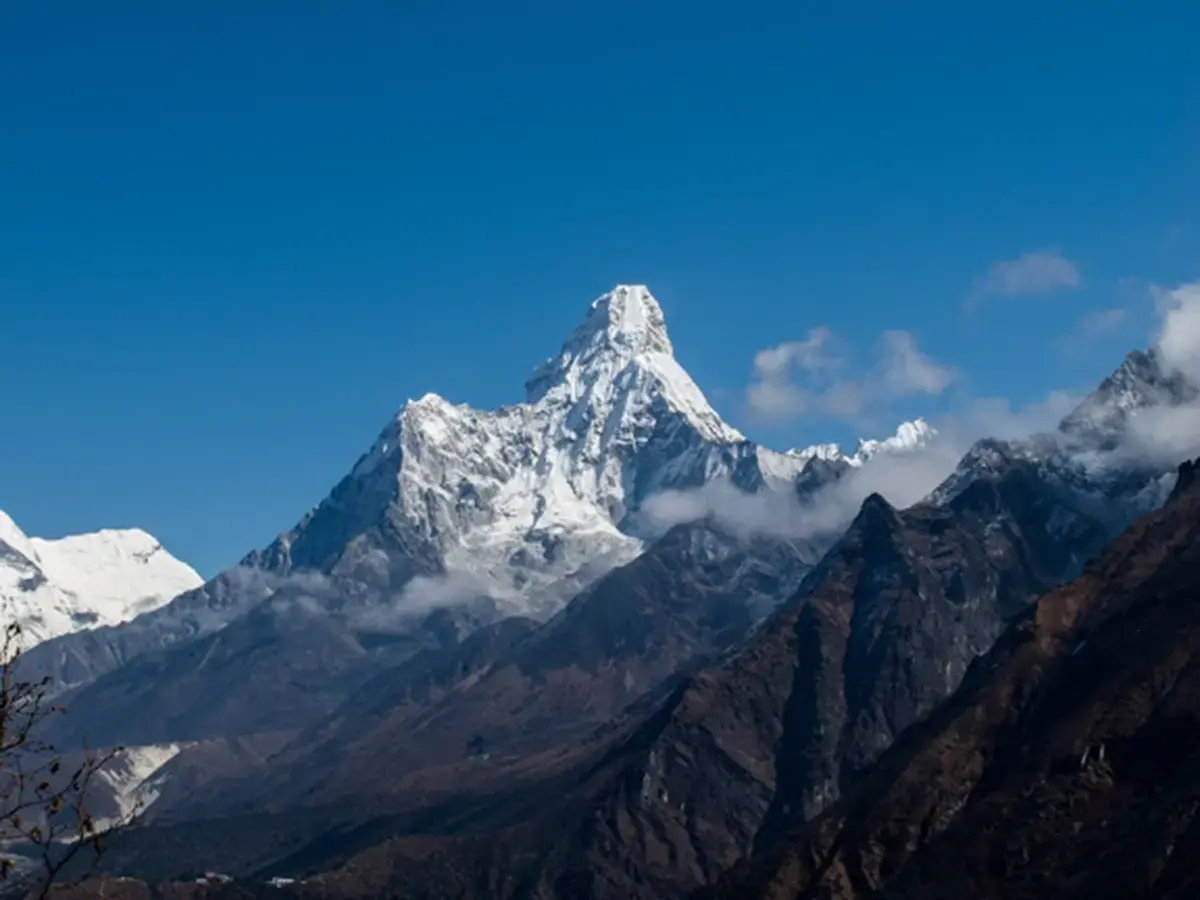
The trail winds along the mountainside, with Ama Dablam standing in front of you. After a steep descent over a suspension bridge, you climb back up to Tengboche. Tengboche is famous for its ancient Buddhist monastery. If you reach the monastery by 3:00 PM, you can watch the resident monks perform evening prayers.

Max Altitude: 3,860 meters
Meals: Breakfast, Lunch, Dinner
Duration: 5-6 hours
Accommodation: Teahouse/Lodge
Day 7

Trek to Dingboche

Today’s trek takes you away from the tree lines into a more rugged, high-altitude desert-like terrain of Dingboche. You are now entering the high alpine zone.

Dingboche is a beautiful village protected by stone walls. This is done to keep the wind from destroying the barley crops.

Max Altitude: 4,410 meters
Meals: Breakfast, Lunch, Dinner
Duration: 5-6 hours
Accommodation: Teahouse/Lodge
Day 8

Acclimatization in Dingboche

Dingboche is your second acclimatization destination. Similar to Namche, you will hike to a higher altitude and return to your teahouse to help in acclimatization.

Today, you will hike up the Nangkartshang Peak for an incredible view of Mount Makalu. The climb is tough, but it helps you prepare for the Everest Base Camp trek.

Max Altitude: 4,410 meters
Meals: Breakfast, Lunch, Dinner
Duration: 4 hours
Accommodation: Teahouse/Lodge
Day 9

Trek to Lobuche

Your journey today leads to the Thukla Pass. As you make your way across this pass, you will find dozens of memorials dedicated to the climbers who lost their lives on Everest. It can be a humbling experience.

From here, the trail levels out and takes you on a hike alongside the lateral moraine of the Khumbu Glacier.

Max Altitude: 4,910 meters
Meals: Breakfast, Lunch, Dinner
Duration: 5-6 hours
Accommodation: Teahouse/Lodge
Day 10

Trek to Gorakshep and Everest Base Camp

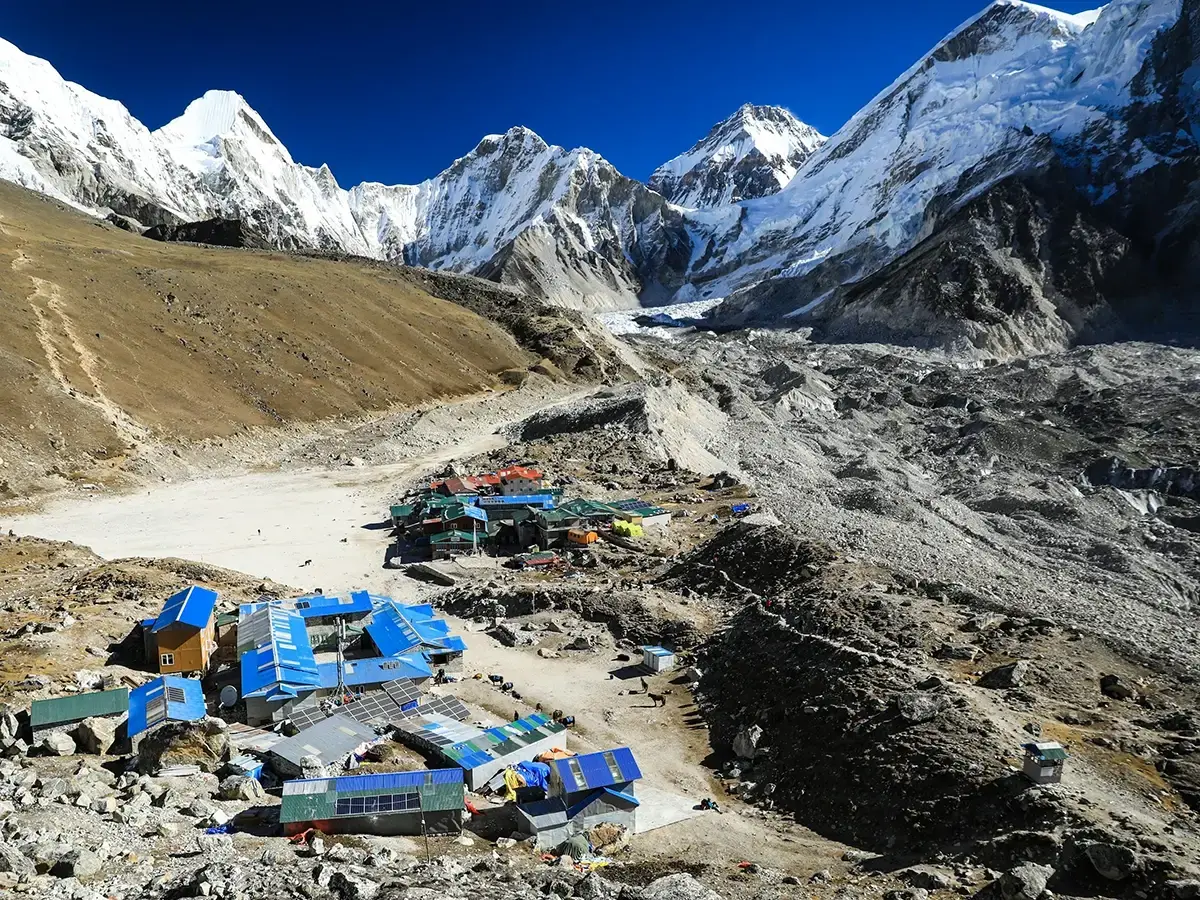
Today is a big day. You trek to Gorakshep for a quick lunch. After resting your duffel bags in the teahouse, you push for Everest Base Camp.

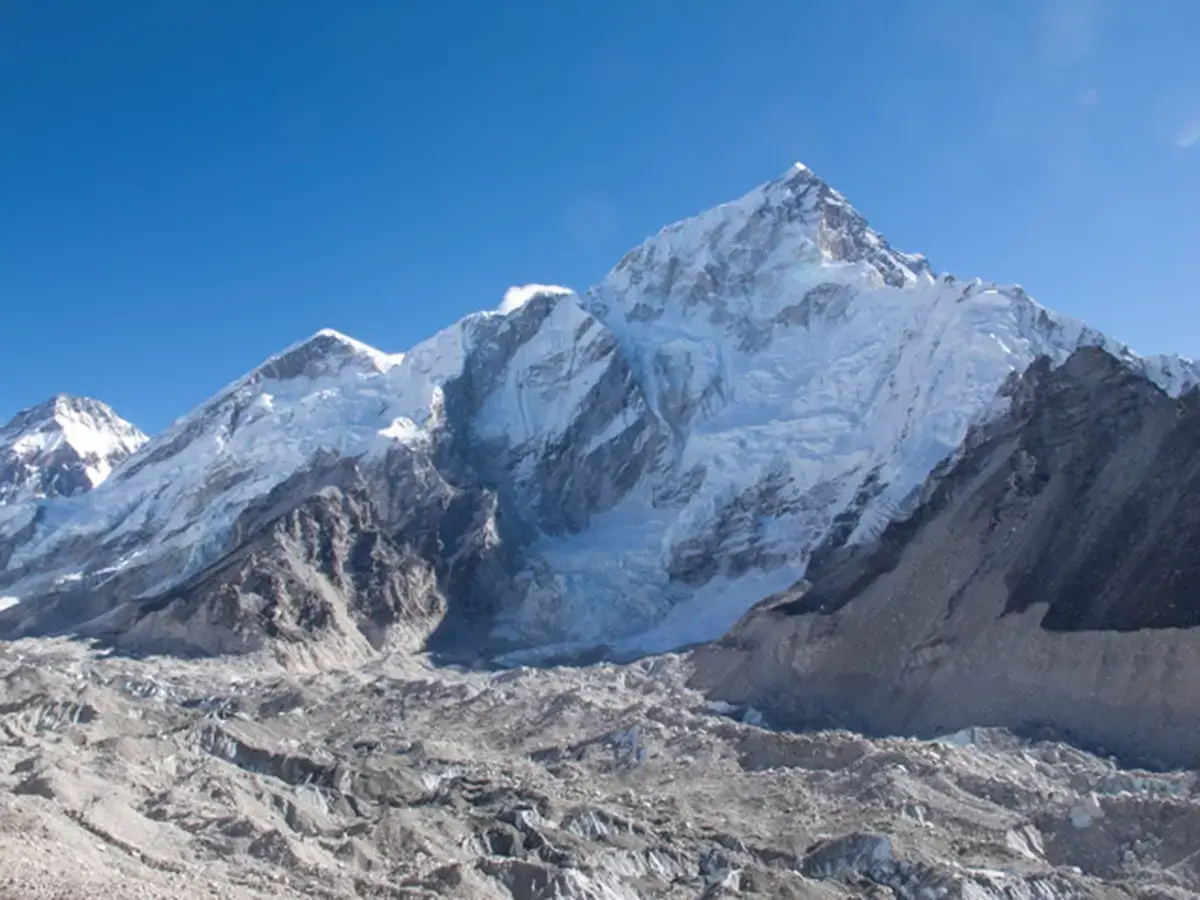
Reaching the foot of the world’s tallest peak, Mount Everest, is a rewarding experience. But you can’t see the summit from the Everest Base Camp as it is hidden by Lhotse and Nuptse. You can take in the energy of the Khumbu Icefall and see climber’s lifestyle on EBC.

Max Altitude: 5,364 meters
Meals: Breakfast, Lunch, Dinner
Duration: 7-8 hours
Accommodation: Teahouse/Lodge
Day 11

Hike Kala Patthar, trek to Dzongla

The day begins before dawn. You will hike to Kala Patthar for the classic sunrise view of the South Face of Everest. From here, you will head toward the base of the Cho La Pass in Dzongla. Dzongla is a remote settlement where you can find the massive view of the North Face of Cholatse.

Max Altitude: 5,555 meters
Meals: Breakfast, Lunch, Dinner
Duration: 7-8 hours
Accommodation: Teahouse/Lodge
Day 12

Cross Cho La Pass to Thagnak

This is the most technical day. You’ll make your way over boulders and cross a snow-covered glacier at the top of the pass. Later, the descent into Thagnak is steep and requires careful footing. However, the sense of accomplishment upon reaching Thangnak is immense.

Max Altitude: 5,420 meters
Meals: Breakfast, Lunch, Dinner
Duration: 7-9 hours
Accommodation: Teahouse/Lodge
Day 13

Trek to Gokyo

Today, you cross the largest Himalayan glacier of Ngozumpa Glacier. This is a massive moonscape of rock and ice. As you emerge on the other side, the third Gokyo Lake appears. The village of Gokyo sits right on the edge of the turquoise lake.

Max Altitude: 4,790 meters
Meals: Breakfast, Lunch, Dinner
Duration: 4-5 hours
Accommodation: Teahouse/Lodge
Day 14

Hike Gokyo Ri, trek to Dole

An early climb to Gokyo Ri offers one of the best views in Nepal. You can see the entire Everest range and the massive glacier below. Afterward, you will begin your long descent toward Dole. You can now feel the oxygen returning to your lungs as you descend to a more comfortable altitude.

Max Altitude: 5,357 meters
Meals: Breakfast, Lunch, Dinner
Duration: 7-8 hours
Accommodation: Teahouse/Lodge
Day 15

Trek to Namche Bazaar

From Dole, you will retrace your steps back to Namche Bazaar. The journey takes you through rhododendron forests. After a long hike, you reach the commercial hub of the Khumbu region. A hot shower and celebration at the world’s highest Irish pub await in the Sherpa capital.

Max Altitude: 3,440 meters
Meals: Breakfast, Lunch, Dinner
Duration: 5-6 hours
Accommodation: Teahouse/Lodge
Day 16

Trek to Lukla

You have reached the final stretch of your trek. Your journey today follows the Dudh Koshi one last time before reaching Lukla. In Lukla, you can enjoy a farewell dinner. As a sign of gratitude, remember to tip your porters and toast to a successful circuit.

Max Altitude: 2,840 meters
Meals: Breakfast, Lunch, Dinner
Duration: 6-7 hours
Accommodation: Teahouse/Lodge
Day 17

Fly to Kathmandu

A morning flight takes you back to the heat and chaos of Kathmandu. Upon landing in the domestic terminal of the Tribhuvan International Airport, you will be transferred to your hotel for some well-deserved rest.

Max Altitude: 1,400 meters
Meals: Breakfast
Duration: 35 min flight
Accommodation: Null
Plan Your Trip Your Way
Can't find a suitable date? No worries! Our experts will help you plan a departure date that fits your schedule and make your adventure happen at the perfect time.

Cost Details

Includes

  • 14 Nights’ Accommodation (shared bath/Toilet) on a twin-sharing basis.
  • Daily Set of Simple Breakfast, Lunch, and Dinner (Main Course).
  • A professional Trekking Guide.
  • Round-trip flight (KTM-Lukla-KTM or Ramechhap-Lukla-Ramechhap).
  • Airport pick up/drop off for domestic flights.
  • Road Transfer to/from Ramechhap if required.
  • Sagarmatha National Park and Pasang Lhamu Entry Fees.
  • Guide’s salary, food, insurance, and equipment.
  • First Aid Kit.
  • Sleeping Bag and Down Jacket for clients (returnable).
  • Complementary: T-Shirt and Trekking map.

Excludes

  • Travel and Medical insurance (including emergency evacuation).
  • All Drinks (Tea/Coffee/Cola/Beer/Bottled Water).
  • Starters, soup, and dessert.
  • Electric device recharge and Hot Shower fees.
  • International flights and Nepal Visa.
  • Tipping and Snacks.
  • Hotels and Meals in Kathmandu.

Essential Information

When is the Best Time for the EBC and Gokyo Lakes Trek in Nepal?

Choosing the right time for the Cho La Pass is a game of balancing temperature and visibility. Spring (March to May) is the best time if you wish to travel when the flowers are out. While the lower forests are full of red and pink rhododendrons, high up in the Everest Base Camp, the Everest climbers are setting up their camps.

If you time it for May, you might catch Buddha Jayanti (Buddha’s Birthday). Celebrating this in the high-altitude monasteries like Tengboche or Pangboche is an incredible experience. You can light the butter lamp and feel the deep chanting of the resident monks as they pay homage to Buddha.

Autumn (September to November) is the best time for crystal clear views. The monsoon rains have just washed the dust away, so the sky is a deep, clear blue. The Gokyo Lakes look incredible, and the views of the mountains are at their best.

How Difficult is the Everest Base Camp and Gokyo Lake Trek? Who can go on this Trek?

The Everest Base Camp and Gokyo Lake Trek via Cho La Pass is classified as a difficult journey. This trek is suitable for experienced trekkers with good physical fitness and high morale. Preparing adequately is crucial for a successful and memorable journey through the high-altitude passes and technical glacial moraines.

The Everest Base Camp and Gokyo Lake Trek via Cho La Pass is especially suitable for:

  • Active travelers with a solid level of cardiovascular fitness who are comfortable hiking between six and eight hours daily over steep, rugged, and often icy terrain.
  • Seasoned mountain enthusiasts and ambitious beginners who possess strong mental resilience and the patience to follow a "slow and steady" pace.
  • Adventure seekers with good health and no major respiratory issues, with a few months of pre-trip training, like hill walking with a weighted pack or stair climbing, to build endurance.

Preparations for the Everest Base Camp and Gokyo Lakes Trek via Cho La Pass: Necessary Gear and Equipment Checklist

The Everest Base Camp and Gokyo Lakes Trek via Cho La Pass 2026/2027 is a demanding journey. You need a good level of preparation and the right gear to complete this challenging circuit.

Here is a comprehensive list of necessary gear and equipment:

Head

  • Trekking Hat/Cap
  • Headlamp/Flashlight (with extra batteries), good quality
  • Sunglasses (UV protection)
  • Woolen hat /Beanie (for cold weather)
  • Bandana/Buff (for dust and sun protection)
  • Sunblock (Sunscreen) (SPF 40 or higher)
  • Insect Repellent (for lower trekking areas)

Body

  • Base Layer Shirt: Two (moisture-wicking, breathable fabric)
  • Trekking Jacket: A pair of lightweight (water-resistant/windproof)
  • Insulating Layer: A pair (fleece, down jacket, or sweater for warmth)
  • Rain Jacket/poncho (lightweight, waterproof)
  • Trekking Trousers/Pants: Two pairs (comfortable and durable)
  • Long-sleeve shirt: 1 pair (for sun or insect protection)
  • Underwear: Two pairs (moisture-wicking, quick-dry fabric)
  • Compression Garments (for reducing muscle fatigue, optional)
  • Gore-Tex or a similar waterproof jacket

Lower Body

  • Trekking Pants: Two pairs (convertible into shorts if needed)
  • Thermal Leggings: one (for cold weather)
  • Shorts: Two (optional, for warmer weather)
  • Knee Guards/Support (for those who need extra knee protection)
  • Hands: Protect your hands with warm gloves
  • Light inner gloves (for lower-elevation trekking)
  • Insulated or down gloves (high-altitude trekking)
  • Waterproof gloves (wet season)

Footwear

  • Trekking Boots/Shoes (comfortable, waterproof, with good grip and ankle support)
  • Gaiters (to protect from mud, snow, or rocks entering boots)
  • Thick Socks: Two pairs (merino wool or synthetic, moisture-wicking)
  • Lightweight Socks: Two pairs (for warmer weather or layering)
  • Sandals/Flip-flops (for campsite/rest stops)

Extra Suggested Items

  • Sleeping bag
  • Drying towel
  • Trekking Poles
  • Cash (extra Nepali rupees for additional expenses)
  • Backpack + 60 L. (Rucksack) (with rain cover and hydration system)
  • Hydration System/Water Bottles/Camelback
  • Water Purification Tablets/Filter
  • Snacks (Energy Bars, Dried Fruits, Nuts
  • First Aid Kit (with basics like bandages and antiseptics, as per personal need)
  • Portable Power Bank (to charge devices)
  • Camera or Smartphone (to capture the views)
  • Toiletries (toothbrush, toothpaste, biodegradable soap, shampoo, etc.) Feminine hygiene products as needed
  • Wet wipes
  • Emergency Whistle
  • Dry bags
  • Clothing Layer
  • Hand sanitizer
Speak to an Expert
Sudarsan Naupane
Sudarsan Naupane