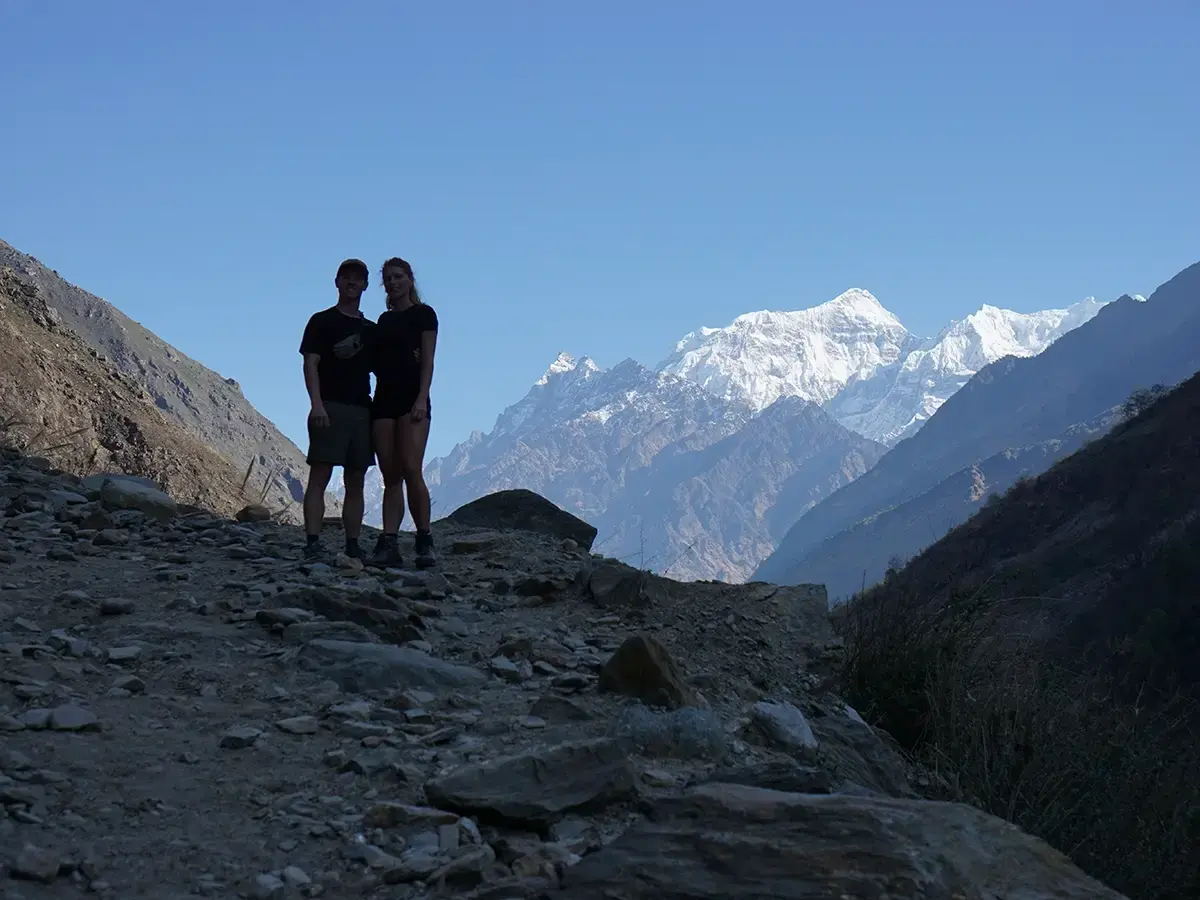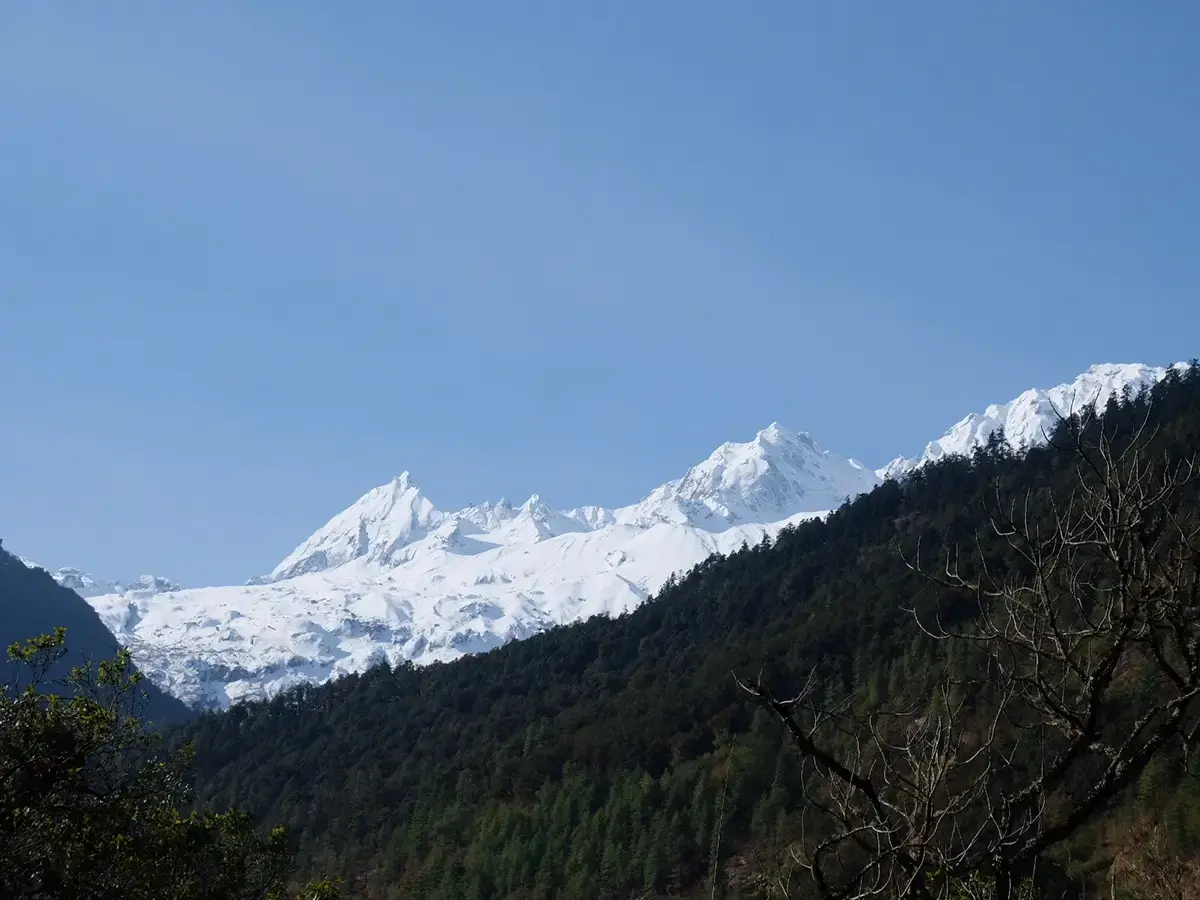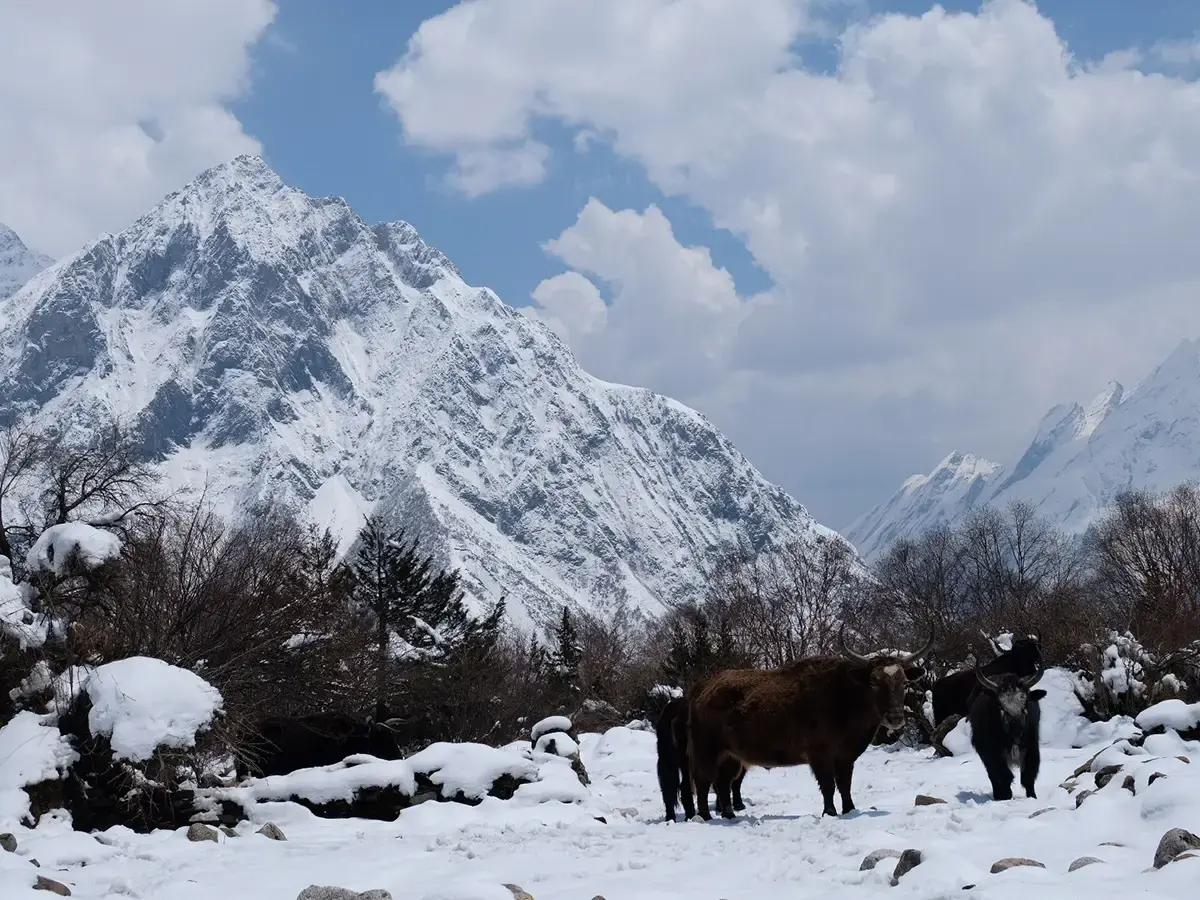
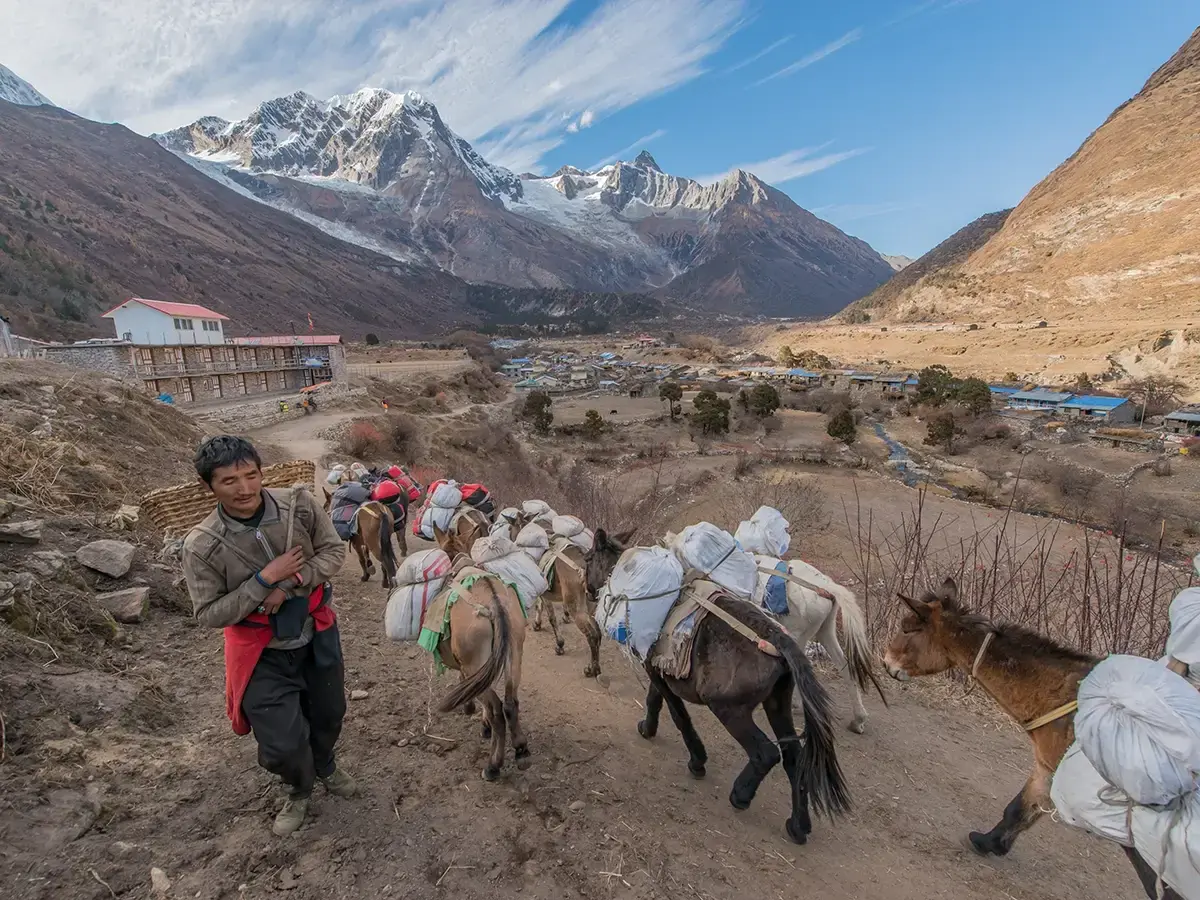
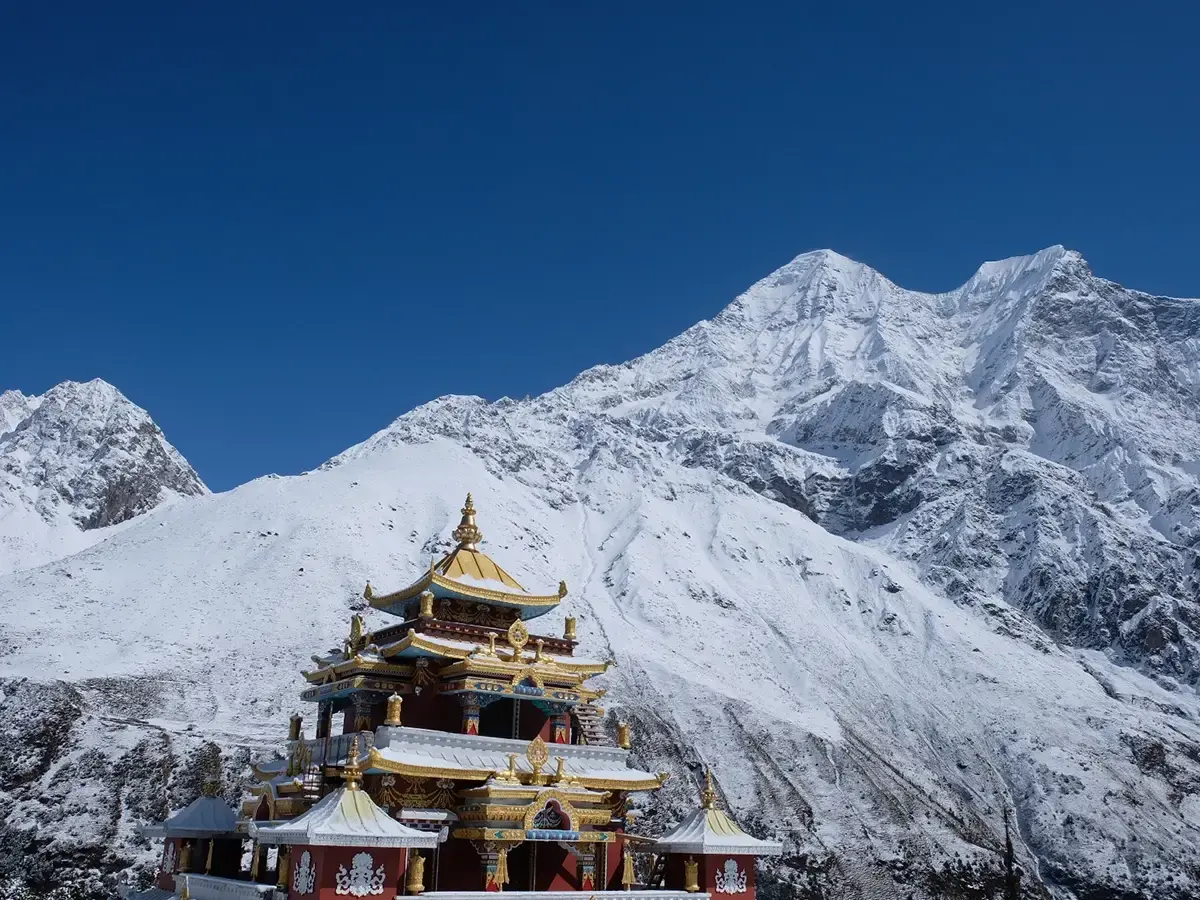
Tsum and Nubri Valley Trek, A Fusion of Tsum Valley Culture and Manaslu Adventure

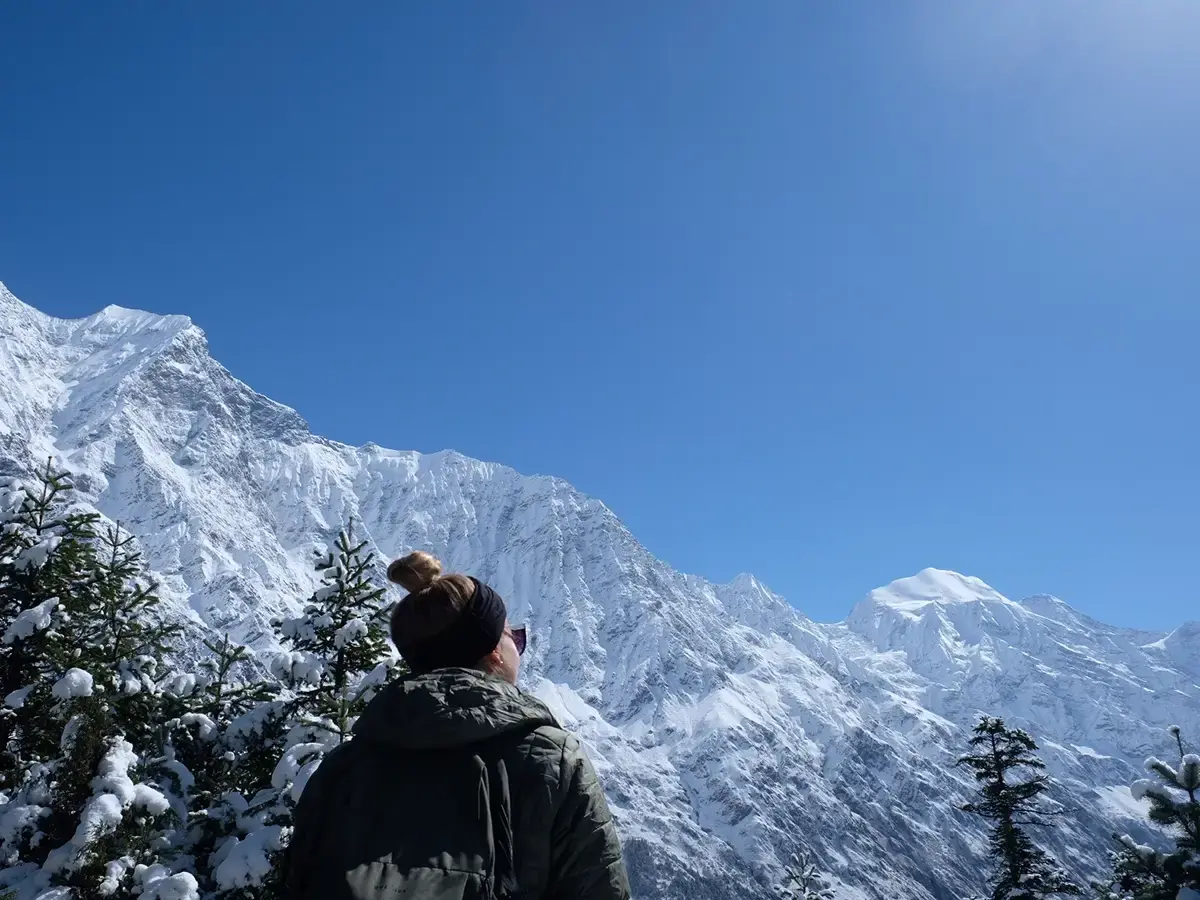
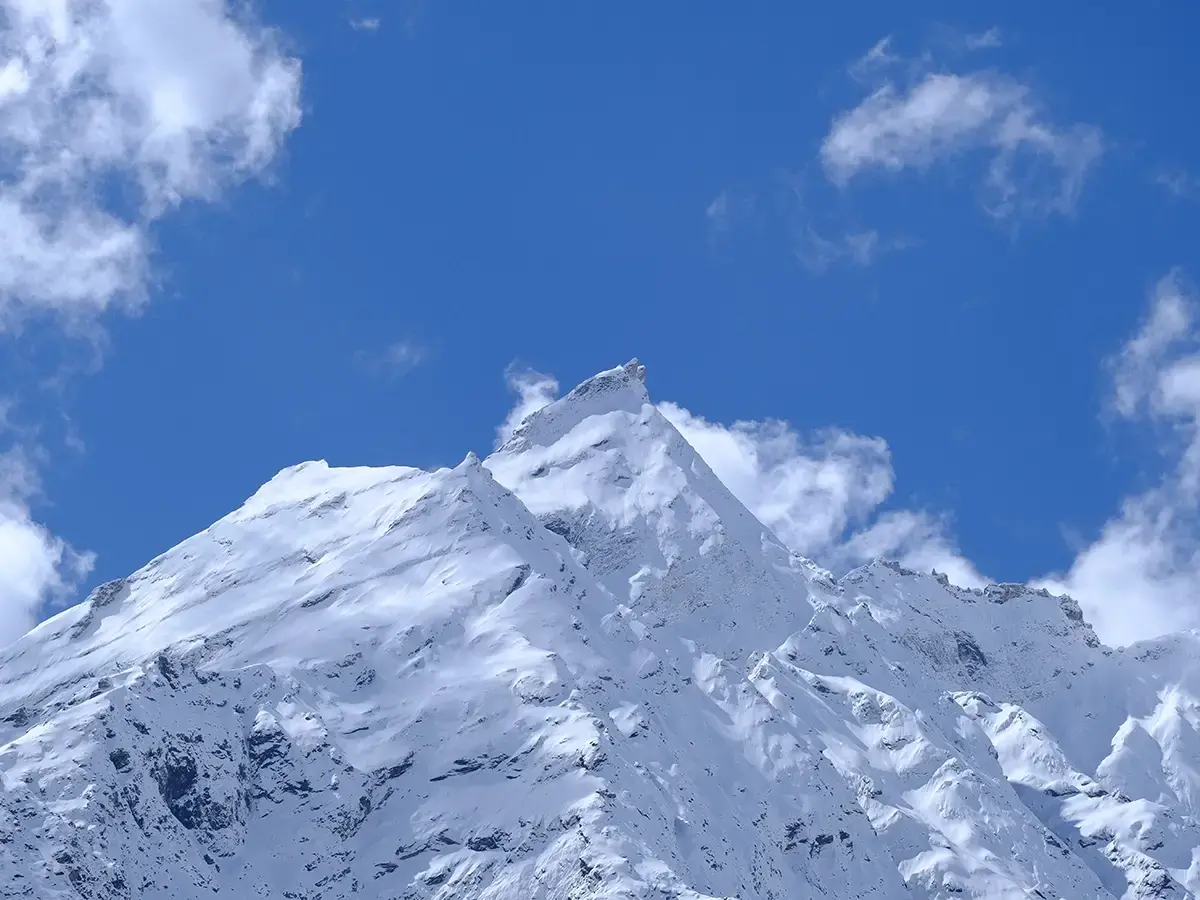
The Tsum and Nubri Valley Trek is a deep dive into the "Beyul Kyimolung," or the Hidden Valley of Happiness. This journey combines the spiritually rich Tsum Valley with the high altitude challenge of the Manaslu Circuit. From the ancient monasteries of Chhokhangparo to the icy heights of Larkya La, you will witness a world where time has stood still, and traditions remain untouched

Duration
19 Days
Trip Grade
Strenuous
Maximum Altitude
5,106 meters
Starts
Kathmandu
Ends
Kathmandu
Group Size
Minimum 2 Pax and Mandatory Guide
Activities
Trekking
Best Time
Spring (March to May) and Autumn (September to November)

The Tsum and Nubri Valley Trek takes you back in time. You step into a portal that reflects the culture, lifestyle, and heritage of a previous century. While most trekkers rush toward the Manaslu Circuit, this 19-day fusion itinerary diverts you into the sacred "Hidden Valley." The residents of these communities abide by the “Shyagya” tradition, where the killing of any living being is strictly prohibited.

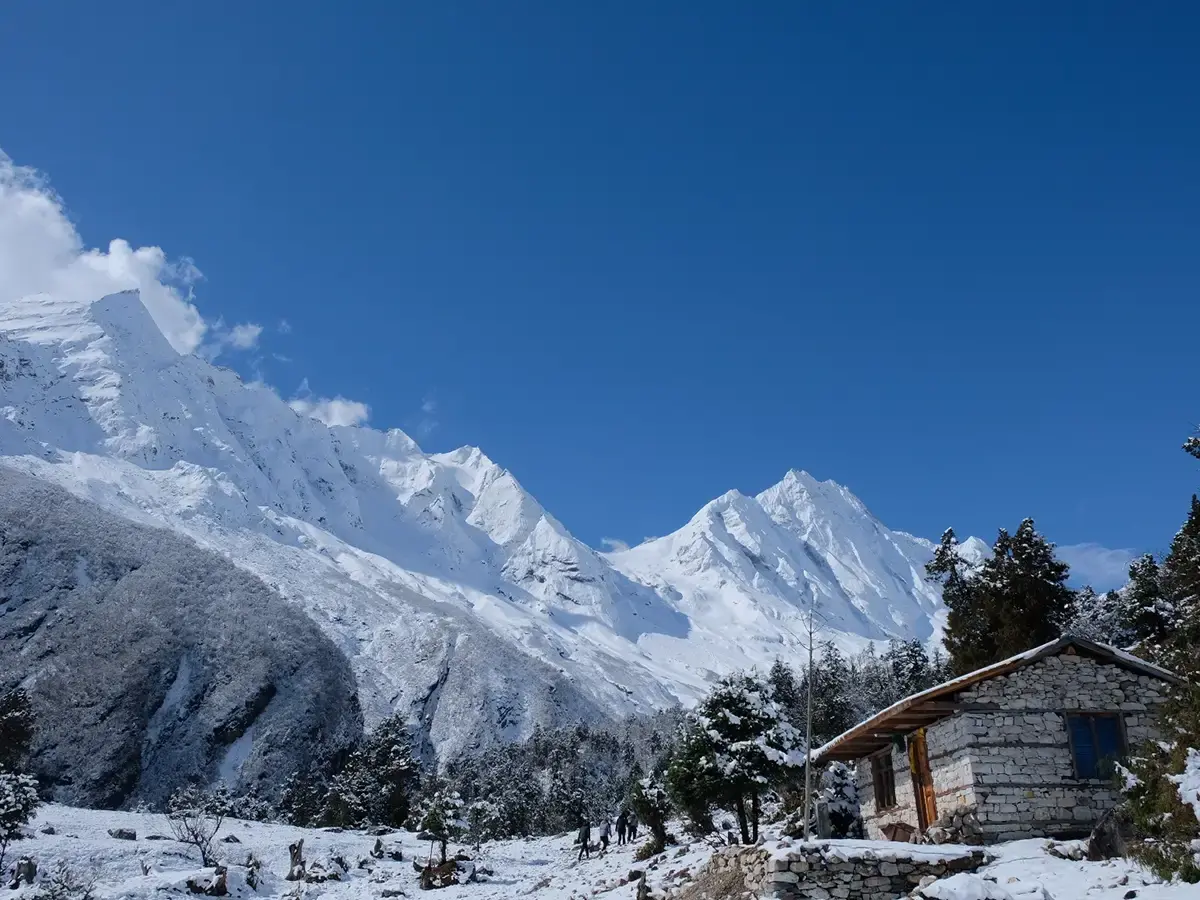
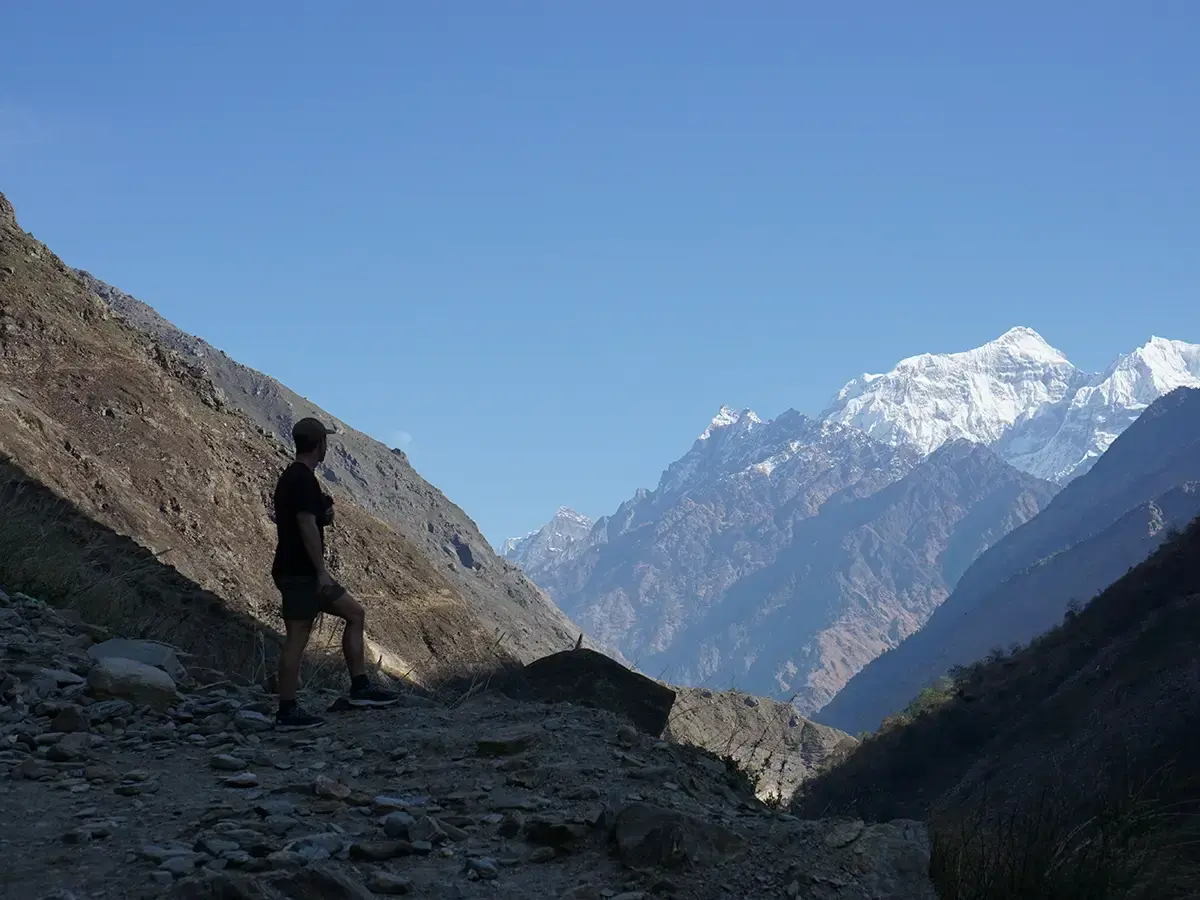
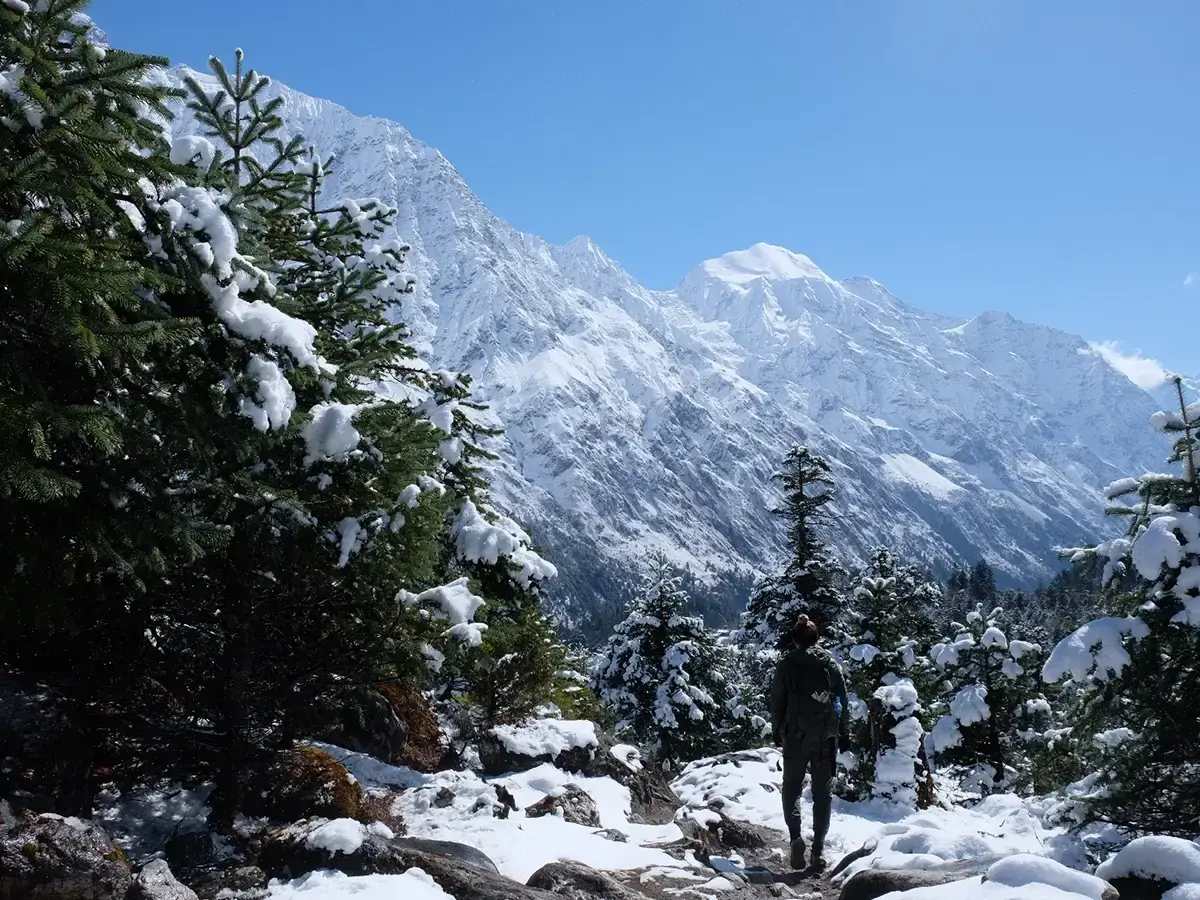
As soon as you enter the mystical landscape, away from the main Manaslu trails, you will notice an immediate change in the atmosphere. Explore the vast expanses of deep canyons and ancient mani walls with intricate Tibetan prayers. You further transition from the lush, subtropical forests of Machha Khola to the alpine terrain of the dramatic Nubri Valley. You will navigate the steep, rocky steps of the Budhi Gandaki gorge before reaching the high plateaus where the air thins and the peaks of Manaslu and Ganesh Himal dominate the skyline.

Throughout your trek, ensure you are well-hydrated, as this is the key to surviving long trekking days. You can drink salt butter tea, like the locals do, to help with the dry mountain air. Slow and steady steps further ensure a safe and successful trek. Rushing at the 5,000-meter mark is a sure invitation for altitude-related problems.

Our guides keep a close watch on your pace, especially as you approach the challenging Larkya La Pass. This trek is for those who seek silence, spiritual depth, and the raw beauty of the Himalayas.

2026 and 2027 bookings for the Tsum and Nubri Valley Trek are now open. Book your adventure today!

Why Go on the Tsum and Nubri Valley Trek in Nepal?

The Tsum and Nubri Valley trek is a rare opportunity to visit two distinct high-altitude communities in a single journey. While Nubri is famous for being close to Mount Manaslu, Tsum Valley introduces you to the “Tsumba” culture that offers a spiritual sanctuary in one of the most remote corners of Nepal.

Here are the top reasons to go on this exclusive 19-day journey for a fusion of Tsum Valley culture and Manaslu adventure.

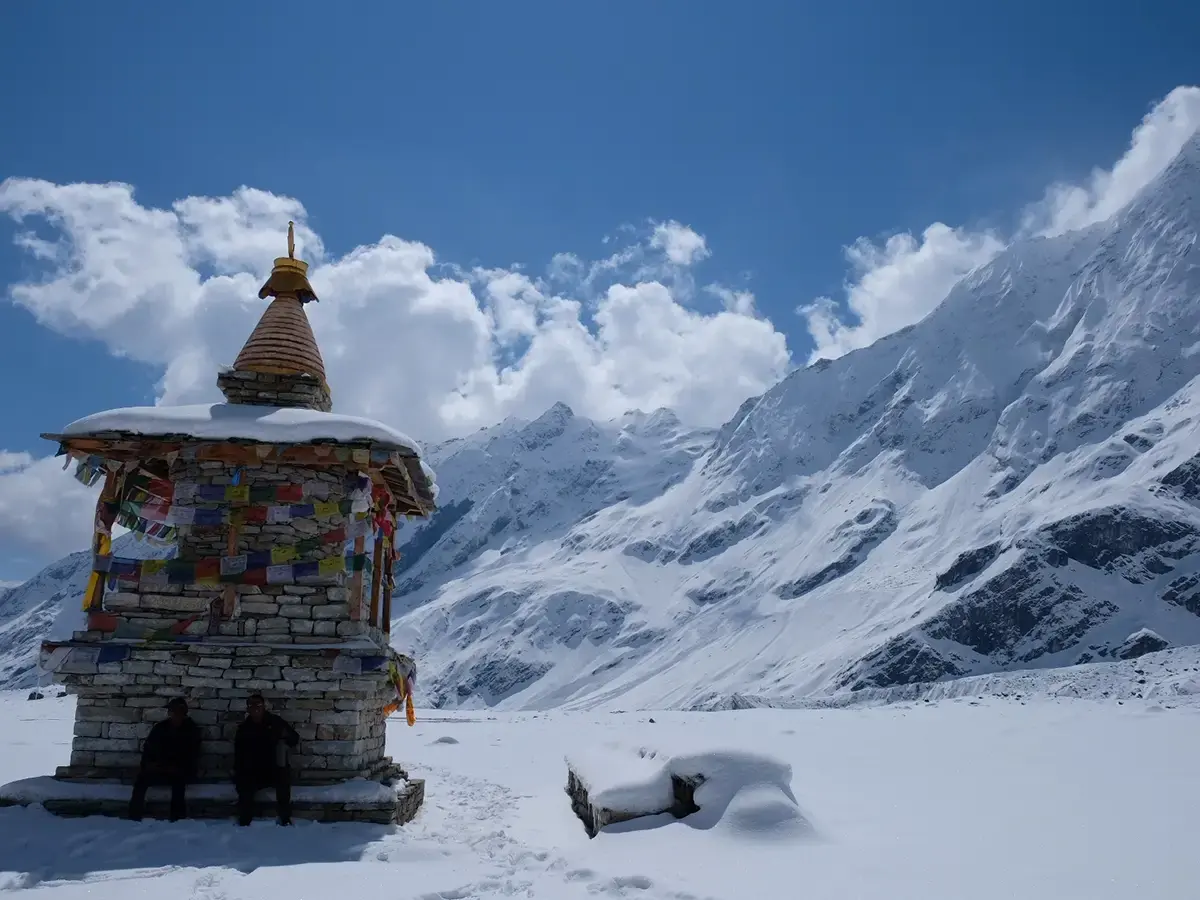
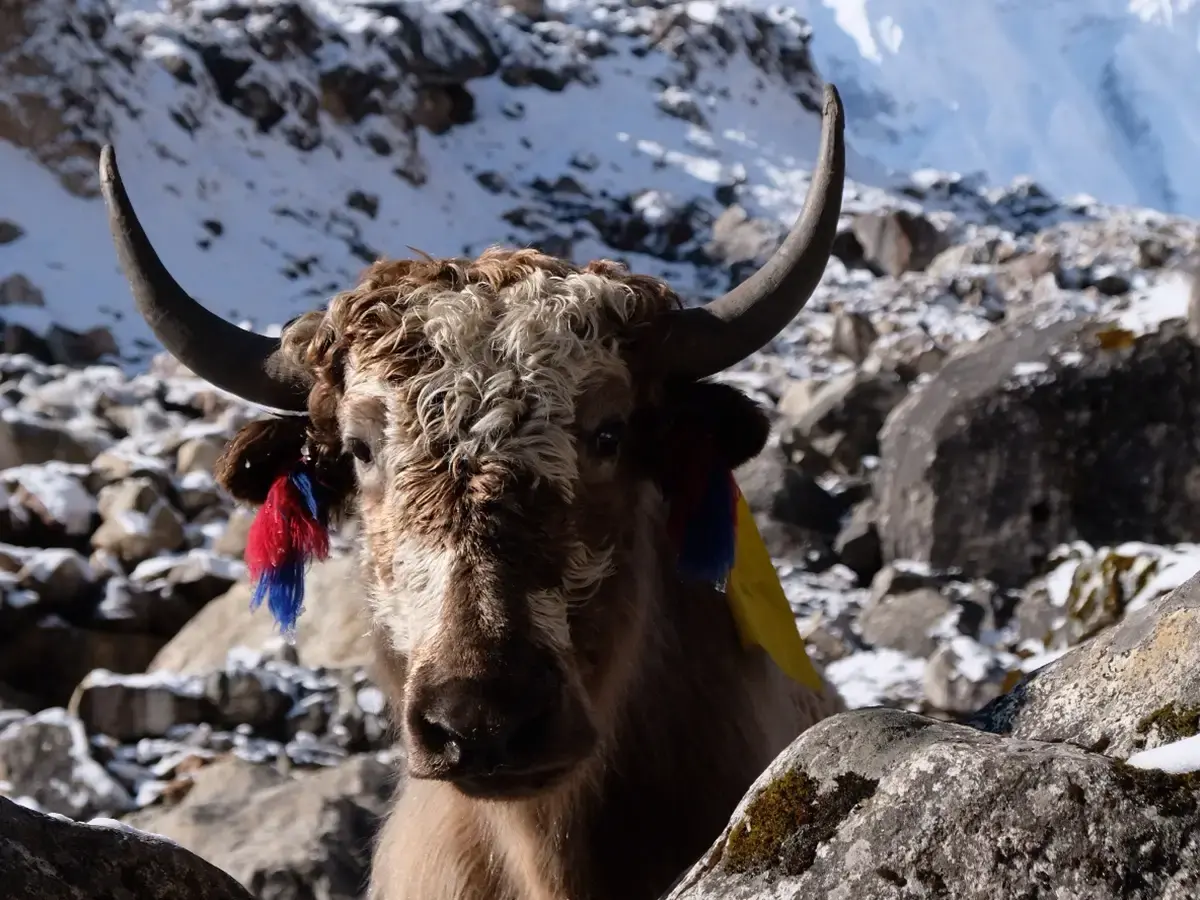
The Sacred Beyul of Tsum: Known as a "Beyul" or hidden valley, Tsum is supposedly blessed by Guru Rinpoche. Because no animals are slaughtered here, the wildlife is incredibly friendly toward humans. If you move quietly, you will likely spot Himalayan Blue Sheep and see thousands of mani stones along the trails. Remember to place these religious monuments on your right while walking past them. It is a sign of showing respect.

The Ancient Monasteries: Visiting Mu Gompa and Rachen Gompa feels like visiting a living museum. Mu Gompa is the highest monastery in the Tsum Valley, sitting at 3,700 meters. We recommend arriving early at Mu Gompa to witness the morning prayers. The sound of long horns echoing off the valley walls is an unforgettable sensory experience.

Crossing the Larkya La Pass: At 5,106 meters, Larkya La is one of the longest and most challenging passes in Nepal. The descent into Bimthang is steep and requires sturdy trekking poles to save your knees. From the top, the views of Himlung Himal and Annapurna II provide a rewarding end to the strenuous climb.

Authentic Himalayan Experience: Tsum and Nubri still maintain a "pure" teahouse culture. You will often eat in the family kitchen, the heart of every home, where a yak-dung fire keeps the room warm. It is the most authentic way to experience true Himalayan hospitality.

A Typical Day during the 2026/2027 Tsum and Nubri Valley Trek

A distant sound of mule trail bell and the smell of juniper incense burning in a nearby lharshir (incense burner) in your teahouse wakes you up. The day begins at around 6:00 AM with a warm mug of ginger tea and a hearty breakfast before preparing to head for the trails. For photographers, the morning hours in Tsum are golden. The light is exceptionally soft, allowing you to create magic through the lens.

Most days involve 5 to 6 hours of walking. You will cross several suspension bridges above the Budhi Gandaki River. At around noon, you will stop for lunch. Lunch is a communal affair. Huddle in the sun-drenched teahouse over a plate of steaming rice and lentils. This is your essential “Dal Bhat Power” for the afternoon trek.

By 4:00 PM, you arrive at your teahouse. You will spend the time in active recovery by exploring the local communities and nearby monasteries. In the evening, you head to the dining hall. This is the only heated room in the lodge. Here, you will have your dinner and plan for the next day with your guide.

Tsum and Nubri Valley Trek: Cost for Logistics, Transport, and Permits

As you’re exploring the “Restricted Area,” the logistics for the 19-day Tsum and Nubri Valley Trek are complex and require detailed precision. Adventure Trek in Himalaya travel experts meticulously prepare an all-inclusive trekking package that covers the three essential permits: the Tsum Valley Restricted Area Permit, the Manaslu Restricted Area Permit, and the Manaslu Conservation Area Permit (MCAP).

Our package further includes public bus transport to Machha Khola and the return journey from Dharapani.

Tsum and Nubri Valley Trek Highlights 2026/2027

  • Explore the hidden "Valley of Happiness" (Tsum Valley) near the Tibetan border.
  • Visit Mu Gompa and Rachen Gompa, the spiritual heart of the region.
  • Cross the challenging Larkya La Pass (5,106m) for stunning Himalayan panoramas.
  • Experience the unique culture of the Tsumba and Nubri people.
  • Walk through the dramatic Budhi Gandaki River gorge and its many suspension bridges.
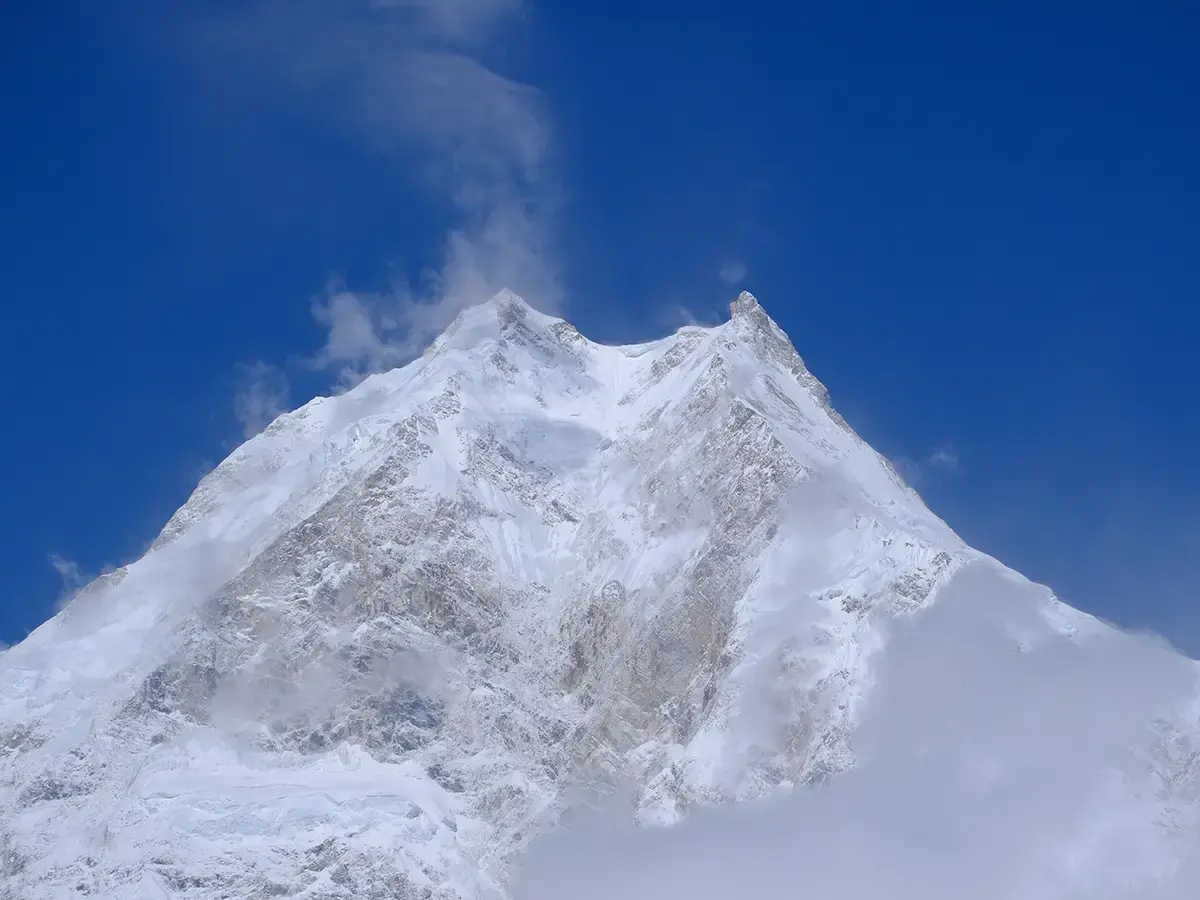
  • Witness the majestic eighth-highest mountain in the world, Mount Manaslu (8,163m).
  • Stay in authentic local teahouses and experience a genuine Himalayan lifestyle.

Customized Tsum and Nubri Valley Trek

The Tsum and Nubri Valley Trek is a long, demanding journey. However, we provide customization options that allow you to adjust to your pace. With our customization feature, you can spend more time in the Upper Tsum Valley or add an extra acclimatization day in Lho to see the monastery.

We also offer private jeep upgrades for the drive to Machha Khola and the return from Besisahar for those looking for a more comfortable transition to and from the mountains.

State your preferences to our travel experts, and we will tailor a fully customized Tsum and Nubri Valley Trek to fit your requirements.
Tsum and Nubri Valley Trek, A Fusion of Tsum Valley Culture and Manaslu Adventure Itinerary

Day 1

Arrive in Kathmandu and transfer to your hotel

Welcome to Kathmandu, the spiritual heart of Nepal. Upon arriving at the Tribhuvan International Airport, our representatives will welcome you and help transfer you to your hotel. The rest of the day is for unwinding. In the evening, you can stroll the vibrant streets of Kathmandu.

Max Altitude: 1,400 meters
Meals: None
Duration: 1 hour transfer
Accommodation: Null
Day 2

Trek preparation and permit application

While we finalize your restricted area permits and all paperwork, you will meet your guide for a final gear check. You will also receive a pre-trek briefing and information about the route conditions.

Use this day for last-minute purchases like an extra pair of socks or snacks. It is also recommended to exchange your currency. ATMs are non-existent on the trek, so ensure you have enough cash for personal expenses like hot showers.

Max Altitude: 1,400 meters
Meals: Breakfast
Duration: Full day
Accommodation: Not Included
Day 3

Drive from Kathmandu to Machha Khola

The journey to the trailhead of Machha Khola takes you on a scenic drive through the mid-hills. You will follow the Trishuli and Budhi Gandaki Rivers on winding roads. For the best views of the terraced farms and the deep valleys, we recommend choosing the right-side seat of the bus.

Max Altitude: 869 meters
Meals: Breakfast, Lunch, and Dinner
Duration: 8 to 9 hours drive
Accommodation: Teahouse/Lodge
Day 4

Trek to Jagat

The trek officially begins today. The trail follows the river through a narrow gorge, crossing several suspension bridges before entering the Manaslu Conservation Area. Upon reaching Jagat, you will find a beautiful stone-paved village where your permits are officially recorded.

Keep your documents easily accessible in your daypack, and ensure all your papers are in place. The police check process here is very thorough with paperwork.

Max Altitude: 1,340 meters
Meals: Breakfast, Lunch, and Dinner
Duration: 6 to 7 hours
Accommodation: Teahouse/Lodge
Day 5

Trek to Lokpa

From Jagat, you branch away from the main circuit to enter the sacred Tsum Valley at Lokpa. This is a “Beyul,” a hidden land blessed by Buddhist masters. You walk along a steep and lush trail, relishing the sense of complete isolation.

Max Altitude: 2,240 meters
Meals: Breakfast, Lunch, and Dinner
Duration: 6 to 7 hours
Accommodation: Teahouse/Lodge
Day 6

Trek to Chumling

Your journey takes you across the Shair Khola, which leads you into Chumling, in the lower Tsum Valley. Chumling offers spectacular views of the Ganesh Himal range. Visit the local monasteries to see ancient murals. The village architecture reflects deep Tibetan roots. Try the local salt butter tea, which is excellent for staying hydrated in the dry air.

Max Altitude: 2,386 meters
Meals: Breakfast, Lunch, and Dinner
Duration: 5 to 6 hours
Accommodation: Teahouse/Lodge
Day 7

Trek to Chhokhangparo

Leaving Chumling behind, the valley widens into broad fields of buckwheat and barley as you hike to Chhokhangparo, your overnight destination. Here, you will start noticing the air thinning, making each step a struggle.

Chhokhangparo is a non-violent zone where no animals are slaughtered. You might see a Himalayan Tahr grazing peacefully nearby.

Max Altitude: 3,010 meters
Meals: Breakfast, Lunch, and Dinner
Duration: 5 to 6 hours
Accommodation: Teahouse/Lodge
Day 8

Trek to Nile and explore Mu Gompa

Today, you trek to Nile, the northernmost village in Tsum. After dropping your gear in the teahouse, you can hike to Mu Gompa. Mu Gompa is the region's oldest monastery, situated near the Tibetan border. A further walk takes you to Dephudonma Gompa, often considered the birthplace of Tsum Buddhism.

Arriving at Mu Gompa before noon allows you to witness the monks' daily rituals. You can further take in the spiritual energy and enjoy panoramic views of the border peaks.

Max Altitude: 3,700 meters
Meals: Breakfast, Lunch, and Dinner
Duration: 6 to 7 hours
Accommodation: Teahouse/Lodge
Day 9

Trek back down from the Tsum Valley

You retrace your steps toward the lower valley. This descent offers a different perspective of the landscape, revealing hidden waterfalls and peaks you may have missed. Using trekking poles is helpful for the steep downhill stone steps. Enjoy the warmer temperatures as you return to the lower altitudes of Chumling today.

Max Altitude: 2,386 meters
Meals: Breakfast, Lunch, and Dinner
Duration: 6 to 7 hours
Accommodation: Teahouse/Lodge
Day 10

Trek from Chumling to Deng

Leaving Tsum, you rejoin the main Budhi Gandaki trail toward Deng. The cultural transition from Tsumba to Nubri traditions is fascinating. You will cross high bridges draped in colorful prayer flags.


This section features narrow cliff paths, so always stay on the mountain side when passing mule caravans for your safety.

Max Altitude: 1,860 meters
Meals: Breakfast, Lunch, and Dinner
Duration: 6 to 7 hours
Accommodation: Teahouse/Lodge
Day 11

Trek to Namrung

Today’s trek includes an ascent through dense forests to Namrung. Watch the langur monkeys swing in the canopy as you head to the gateway to Upper Nubri. Namrung has some of the best teahouses in the region and offers clear views of Siringi Himal.

Prepare for another thorough inspection of your permits and documents at the village checkpost.

Max Altitude: 2,630 meters
Meals: Breakfast, Lunch, and Dinner
Duration: 6 to 7 hours
Accommodation: Teahouse/Lodge
Day 12

Trek to Lho

The trek to your next destination, Lho, is short and scenic. The journey passes through traditional Sho before reaching the village, which reveals the majestic double peak of Mount Manaslu.

At Lho, you can visit Ribung Gompa for a stunning sunset. For a sweet surprise, visit the local bakery here!

Max Altitude: 3,180 meters
Meals: Breakfast, Lunch, and Dinner
Duration: 4 to 5 hours
Accommodation: Teahouse/Lodge
Day 13

Trek to Samagaon

Your trek to Samagaon takes you through pine forests. This is the regional center and a hub for mountaineers. You will see massive mani walls and ancient chortens. Staying in this sprawling village provides a window into high-altitude life. The communal dining halls are usually heated by a central stove.

Max Altitude: 3,530 meters
Meals: Breakfast, Lunch, and Dinner
Duration: 3 to 4 hours
Accommodation: Teahouse/Lodge
Day 14

Acclimatization day in Samagaon

Today’s itinerary is dedicated to acclimatizing before the Larkya Phedi Trek. This is done to allow your lungs to adapt to the high-altitude conditions.

You will hike to Birendra Tal, a turquoise lake at the foot of the Manaslu glacier. If you feel strong, hike toward the Base Camp for a closer view of the climbing routes. Remember to drink plenty of water.

Max Altitude: 3,530 meters
Meals: Breakfast, Lunch, and Dinner
Duration: 4 to 5 hours hike
Accommodation: Teahouse/Lodge
Day 15

Trek to Samdo

A gentle climb from Samagaon leads to Samdo, a village close to the Tibetan border. Here, the landscape becomes stark and alpine. Keep your hydration levels high to prevent altitude-related problems.


Samdo is known for its high-quality yak wool items. The border trade here often brings unique goods to the village.

Max Altitude: 3,875 meters
Meals: Breakfast, Lunch, and Dinner
Duration: 4 to 5 hours
Accommodation: Teahouse/Lodge
Day 16

Trek to Dharamsala (or Larkya Phedi)

The climb to Dharamsala is short but physically demanding due to the thin air. This is a basic high camp settlement. Eat a bowl of garlic soup, which locals recommend for altitude.

Rest early tonight, as you will start your climb of the Larkya La long before the sun rises.

Max Altitude: 4,460 meters
Meals: Breakfast, Lunch, and Dinner
Duration: 4 to 5 hours
Accommodation: Teahouse/Lodge
Day 17

Cross the Larkya La Pass and trek to Bimthang

Your day begins early today. With headlamps, you will take on the challenging Larkya La Pass crossing. Reaching the prayer flags at the summit provides a sense of pure triumph.

The descent toward Bimthang is equally tricky. Prepare for the steep and often slippery trails. Using microspikes is helpful if there is ice on the trail.

Max Altitude: 5,106 meters
Meals: Breakfast, Lunch, and Dinner
Duration: 8 to 10 hours
Accommodation: Teahouse/Lodge
Day 18

Trek from Bimthang to Dharapani

Today, you will descend through one of Nepal’s most beautiful forests. The trail transitions from alpine terrain to lush rhododendron forests.

Reaching Dharapani marks your entry into the Annapurna region. Enjoy a celebratory meal here, as you have completed the circuit.

Max Altitude: 1,860 meters
Meals: Breakfast, Lunch, and Dinner
Duration: 7 to 8 hours
Accommodation: Teahouse/Lodge
Day 19

Drive from Dharapani to Kathmandu via Besisahar

You have come to the end of the 19-day Fusion of Tsum Valley Culture and Manaslu Adventure. The final journey takes you on a drive to Kathmandu via Besisahar. The jeep ride down the Marsyangdi valley is an adventure, passing massive waterfalls and deep gorges.

Once you reach the highway, the drive to Kathmandu is smoother. Enjoy your return to civilization after several days of a long trek. You can head to a spa for a rejuvenating massage, or head to the bars in Thamel for a celebratory cheers with your fellow trekkers.

Max Altitude: 1,400 meters
Meals: Breakfast and Lunch
Duration: 8 to 10 hours drive
Accommodation: Not Included
Plan Your Trip Your Way
Can't find a suitable date? No worries! Our experts will help you plan a departure date that fits your schedule and make your adventure happen at the perfect time.

Cost Details

Includes

  • 16 Nights’ Accommodation in local teahouses (twin sharing).
  • Daily set of simple breakfast, lunch, and dinner (main courses).
  • Services of a professional, government-licensed English-speaking trekking guide.
  • Public bus transport to Machha Khola and return from Dharapani.
  • Manaslu and Annapurna Conservation permits.
  • Manaslu and Tsum Valley Restricted Area Trekking permits.
  • Daily allowance, food, insurance, and equipment for the guide.
  • First Aid Kit carried by the guide.
  • Sleeping bag and down jacket provided for use during the trek.
  • Extra Complementary: Official Trekking T-shirt and trekking map.

Excludes

  • International flights and Nepal Visa fees.
  • Private transfers (available as an upgrade).
  • Travel and medical insurance (mandatory emergency evacuation coverage).
  • All drinks (Tea, coffee, cola, beer, and bottled water).
  • Starters, soups, and desserts.
  • Electric device recharge fees and hot shower fees.
  • Tipping for the guide and staff.
  • Extra snacks and additional meals.

Essential Information

When is the Best Time for the Tsum and Nubri Valley Trek in Nepal?

Spring (March to May) is the best time for the Tsum and Nubri Valley trek if you are looking for exploration amid the color-laden hills. You will trek through the rhododendron forests of the lower Manaslu and Tsum regions, enjoying the breathtaking spring blossoms.

In this season, the lower valleys are warmer, but the Larkya La Pass remains frozen. Crossing early in the season might require microspikes. Expert guides recommend late April to ensure the snow on the pass has stabilized sufficiently for a safer crossing.

Autumn (September to November) is known for its crisp visibility. The monsoon washes the dust away, making the skies clear and blue. This creates a perfect opportunity for photographers to frame the peaks of Manaslu and Ganesh Himal.

In the higher regions, the conditions are freezing. You will experience sub-zero conditions in places like Samdo and Dharamsala. Preparing adequately with a high-quality sleeping bag is the key here. Autumn is also the time for the local harvest in the Tsum Valley, providing a unique cultural insight into the traditional agricultural practices of the Tsumba people.

How Difficult is the Tsum and Nubri Valley Trek?

The Tsum and Nubri Valley Trek is classified as a strenuous journey. It involves long walking days, significant altitude gain, and a high mountain pass crossing. Trekkers should be prepared for basic accommodation and variable weather conditions.

The Tsum and Nubri Valley Trek is especially suitable for:

  • Active travelers with a high level of cardiovascular fitness who can hike for 6 to 8 hours daily on steep and rocky trails.
  • Experienced trekkers who have previously hiked at altitudes above 4,000 meters and understand the rhythm of high altitude travel.
  • Culture seekers who are comfortable with simple living conditions and have the mental resilience for a 19-day wilderness journey.

Preparation for the Tsum and Nubri Valley Trek (A Fusion of Tsum Valley Culture and Manaslu Adventure) 2026/2027: Gear and Equipment Checklist

Preparing for a 19-day trek across the sacred Tsum Valley and the 5,106-meter Larkya La Pass requires a technical layering system. Ensure you are prepared for everything from subtropical river valleys to sub-zero alpine conditions

Below is a comprehensive list of gear and equipment for the 19-day Tsum and Nubri Valley Trek:

Head

  • Trekking Hat/Cap
  • Headlamp/Flashlight (with extra batteries), good quality
  • Sunglasses (UV protection, category 3 or 4 for snow glare)
  • Woolen hat / Beanie (for cold weather)
  • Bandana/Buff (for dust and sun protection)
  • Sunblock (Sunscreen) (SPF 40 or higher)
  • Insect Repellent (essential for the lower Budhi Gandaki gorge)

Body

  • Base Layer Shirt: Two (moisture-wicking, breathable fabric)
  • Trekking Jacket: A pair of lightweight (water-resistant and windproof)
  • Insulating Layer: A pair (fleece, down jacket, or sweater for warmth)
  • Rain Jacket/poncho (lightweight, waterproof)
  • Trekking Trousers/Pants: Two pairs (comfortable and durable)
  • Long-sleeve shirt: 1 pair (for sun or insect protection)
  • Underwear: Two pairs (moisture-wicking, quick-dry fabric)
  • Compression Garments (for reducing muscle fatigue, optional)
  • Gore-Tex or a similar waterproof jacket

Lower Body

  • Trekking Pants: Two pairs (convertible into shorts if needed)
  • Thermal Leggings: one (for cold weather)
  • Shorts: Two (optional, for warmer weather)
  • Knee Guards/Support (highly recommended for the steep descent from Larkya La)

Hands

  • Light inner gloves (for lower-elevation trekking)
  • Insulated or down gloves (for high-altitude trekking in Samdo and the pass)
  • Waterproof gloves (wet season)

Footwear

  • Trekking Boots (comfortable, waterproof, with good grip and ankle support)
  • Gaiters (to protect from mud, snow, or rocks entering boots)
  • Thick Socks: Two pairs (merino wool or synthetic, moisture-wicking)
  • Lightweight Socks: Two pairs (for warmer weather or layering)
  • Sandals/Flip-flops (for campsite and rest stops)

Extra Suggested Items

  • Sleeping bag (rated to -15°C or lower for the cold nights in Dharamsala)
  • Drying towel
  • Trekking Poles (essential for saving your knees during long descents)
  • Cash (extra Nepali rupees for additional expenses like solar charging or hot water)
  • Backpack + 60 L. (Rucksack) (with rain cover and hydration system)
  • Hydration System/Water Bottles/Camelback
  • Water Purification Tablets/Filter
  • Snacks (Energy Bars, Dried Fruits, Nuts)
  • First Aid Kit (including basics like bandages, antiseptics, and altitude medication)
  • Portable Power Bank (Solar-compatible is best for the limited electricity in Tsum)
  • Camera or Smartphone (to capture the views)
  • Toiletries (toothbrush, toothpaste, biodegradable soap, etc.)
  • Feminine hygiene products as needed
  • Wet wipes
  • Emergency Whistle
  • Dry bags
  • Clothing Layer
  • Hand sanitizer
Speak to an Expert
Sudarsan Naupane
Sudarsan Naupane