Langtang Valley Trek with Laurebina Pass

The Langtang Valley Trek with Laurebina Pass is a spectacular circuit that bridges the gap between the high Himalayas and the sacred alpine lakes of Gosaikunda. This trek offers a raw, intimate look at Tamang culture and the resilience of a valley that has rebuilt itself into a premier trekking destination.

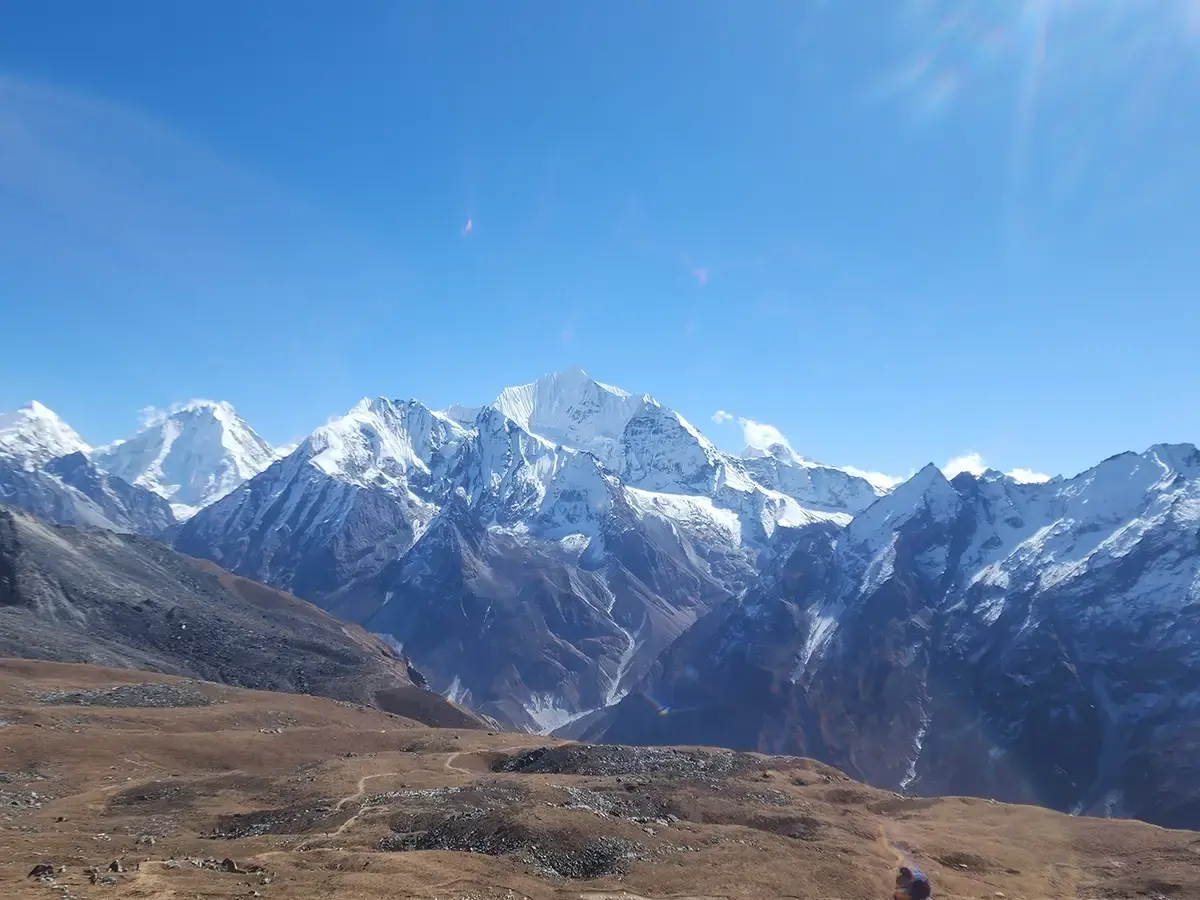
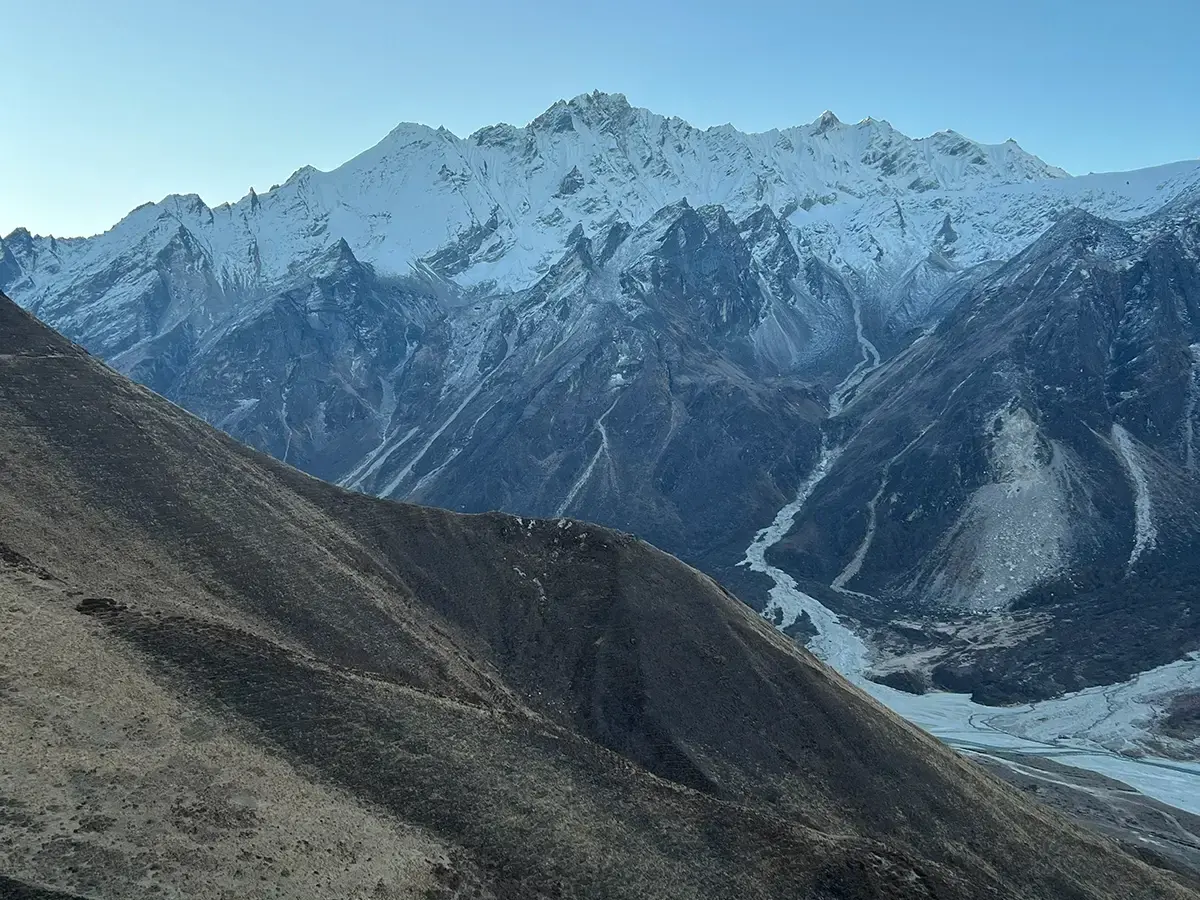
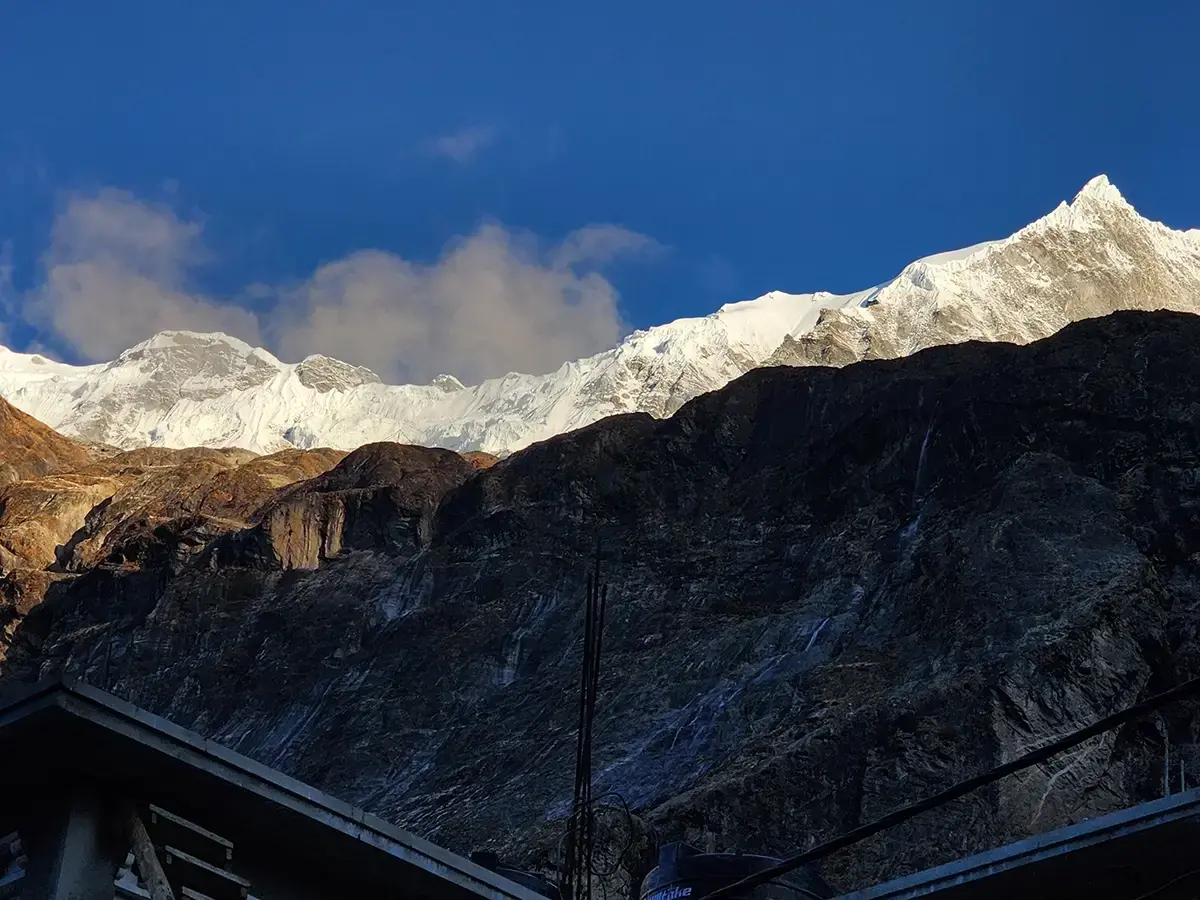
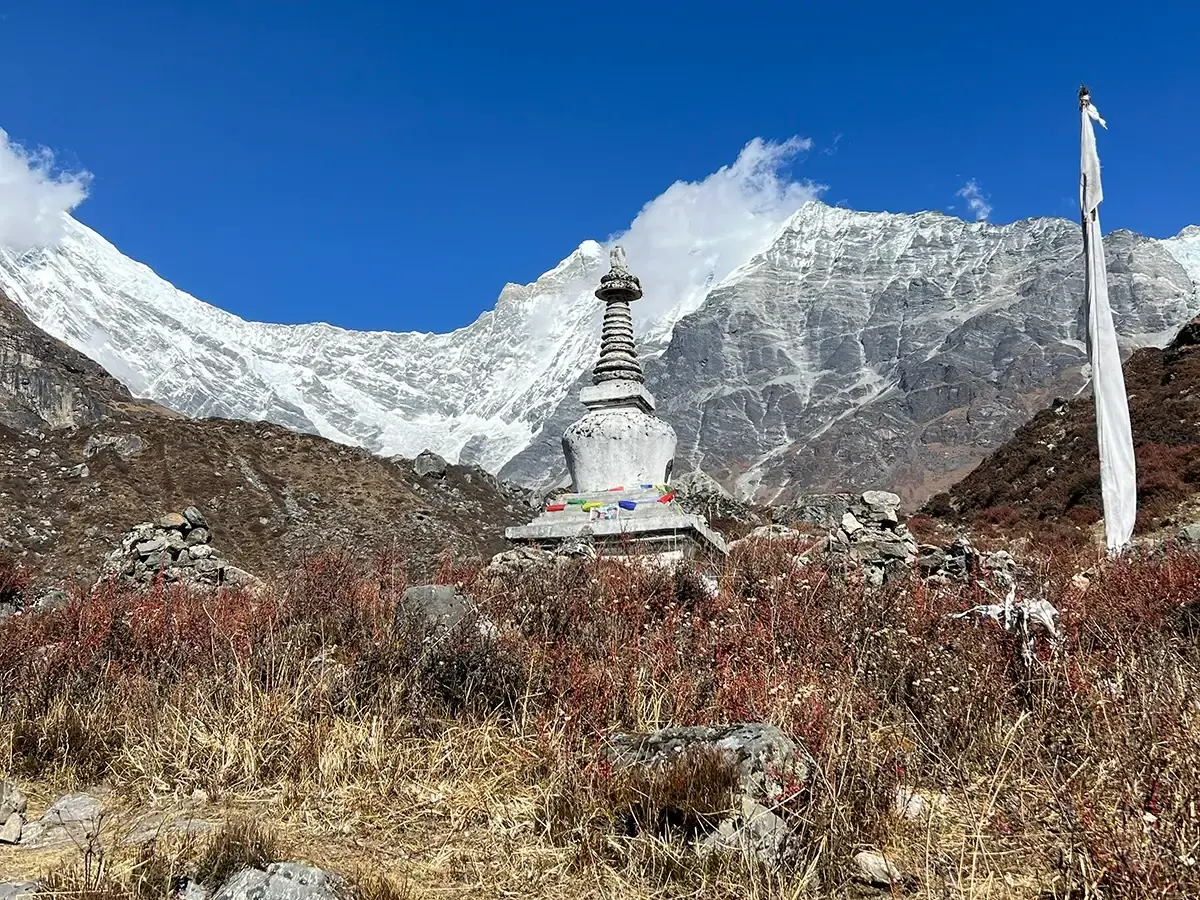
From the glacial heights of Kyanjin Gompa to the challenging 4,610-meter Laurebina Pass, this 15-day journey provides a 360-degree panorama of Langtang Lirung, Ganesh Himal, and even the distant peaks of Tibet.

Duration
15 Days
Trip Grade
Moderate to Strenuous
Maximum Altitude
5,033 meters
Starts
Kathmandu
Ends
Kathmandu
Group Size
Up to 12 Pax (Standard)
Best Time
Spring (March to May) and Autumn (September to November)

The 15-day Langtang Valley Trek with Laurebina Pass is a bridge between deep glacial valleys and sacred alpine lakes. Your journey begins with a long drive over bumpy roads to the trailhead of Syabrubesi. From Syabrubesi, you enter the Langtang National Park, where your trek officially begins.

The initial days take you through dense rhododendron and bamboo forests. Watch out for the rich flora and fauna of the region. If luck is by your side, you can even spot the elusive red panda.

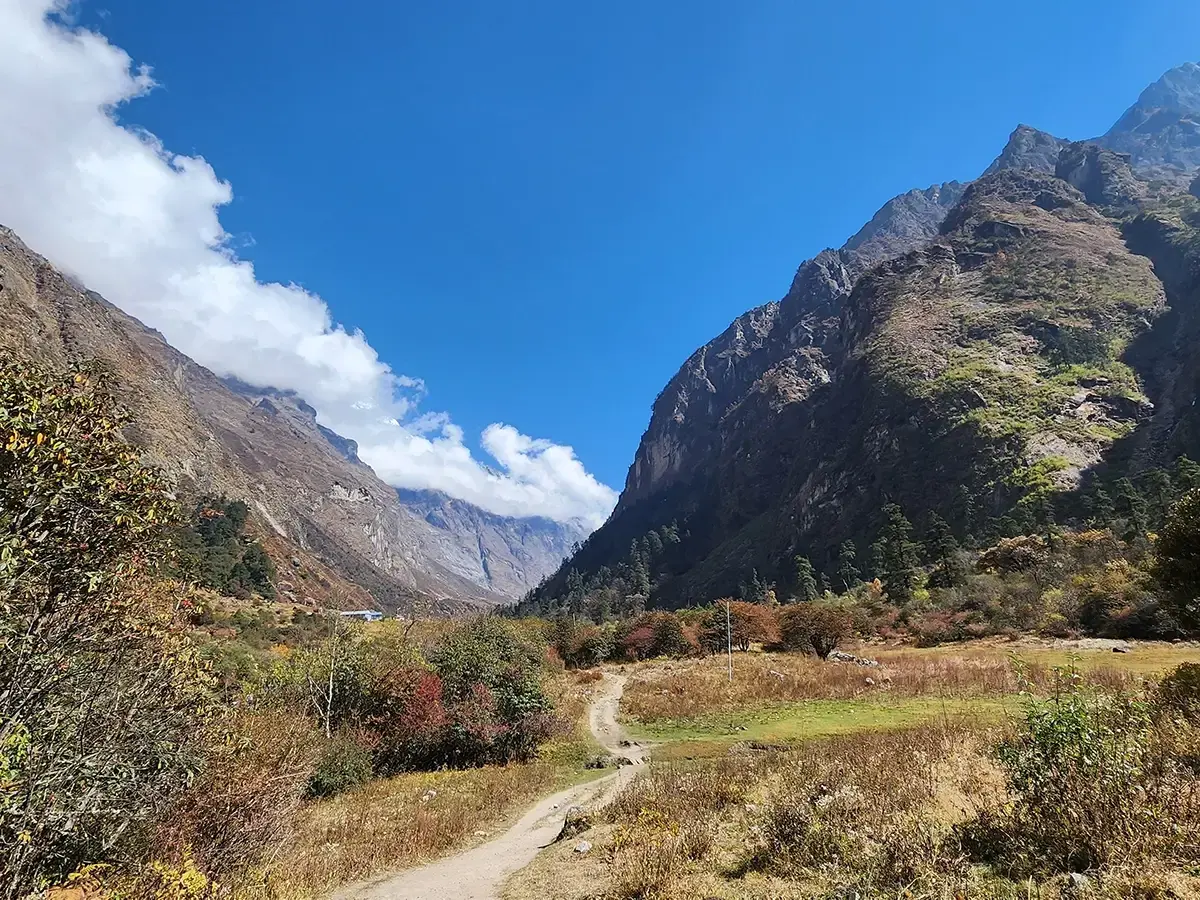
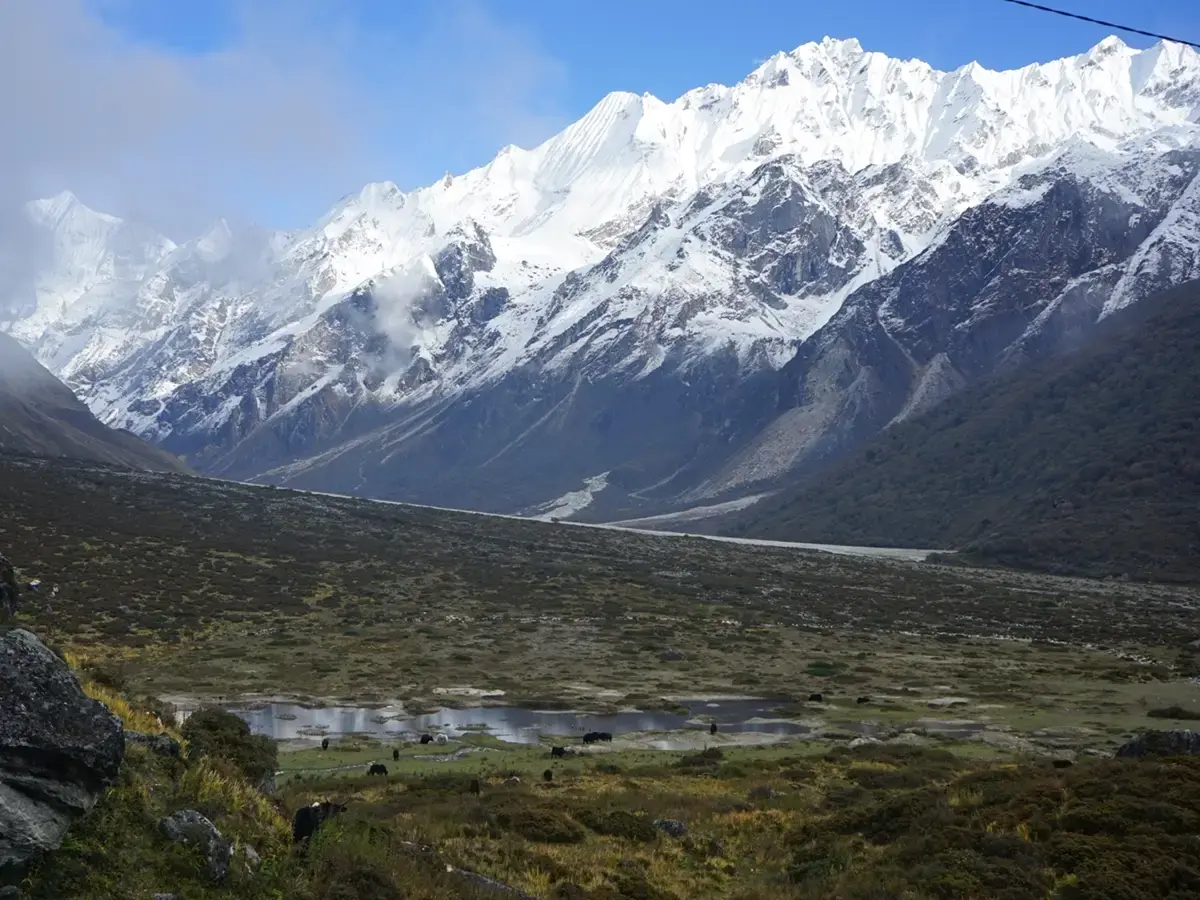
After crossing the sub-tropical forests, you reach the high altitude regions of Kyanjin Gompa, where the valley opens up. Here, the famous “Valley of Glaciers” reveals its massive magnitude. “Bistarai, Bistarai” (slowly, slowly) is the mantra of the high-altitude trek. Your guide constantly reminds you to take the trails slowly but steadily to avoid the risks of altitude sickness.

From Kyanjin, the journey continues toward the challenging Tserko Ri. Next, the trek shifts toward the sacred Gosainkunda Lakes before conquering the technical Laurebina Pass at 4,610 meters. Though difficult, this high-altitude vantage point offers unmatched views of the mighty Ganesh Himal and Manaslu ranges.

The Langtang Valley Trek with Laurebina Pass is a moderate-to-challenging Himalayan journey. Keep yourself hydrated and nourished throughout the trek. We recommend getting extra nourishment beyond the typical meal of Dal-Bhat. You can sample the yak Cheese at Kyanjin Gompa and try the Himalayan superfood, the seabuckthorn juice, before descending into lush Helambu toward Sundarijal.

Experience this rugged, authentic crossing that tests your endurance and join Adventure in Himalaya for the 2026/2027 Langtang Valley with Laurebina Pass mountain journey.

Why Go on the Langtang Valley Trek with Laurebina Pass in 2026/2027?

While beginners stick mainly to the valley floor, the Laurebina Pass side trip transforms the Langtang Valley Trek into a complete Himalayan odyssey, offering a diverse mix of landscapes and spiritual heritage. Here are the top reasons to choose the comprehensive Langtang Valley Trek with Laurebina Pass.

The Kyanjin Ri Perspective: Standing atop Kyanjin Ri or Tserko Ri provides a far-stretched view of the Himalayan landscape. From this almost vertical vantage point, you will find a close-up view of Langtang Lirung and other majestic peaks and hear the deep rumble of distant hanging glaciers.

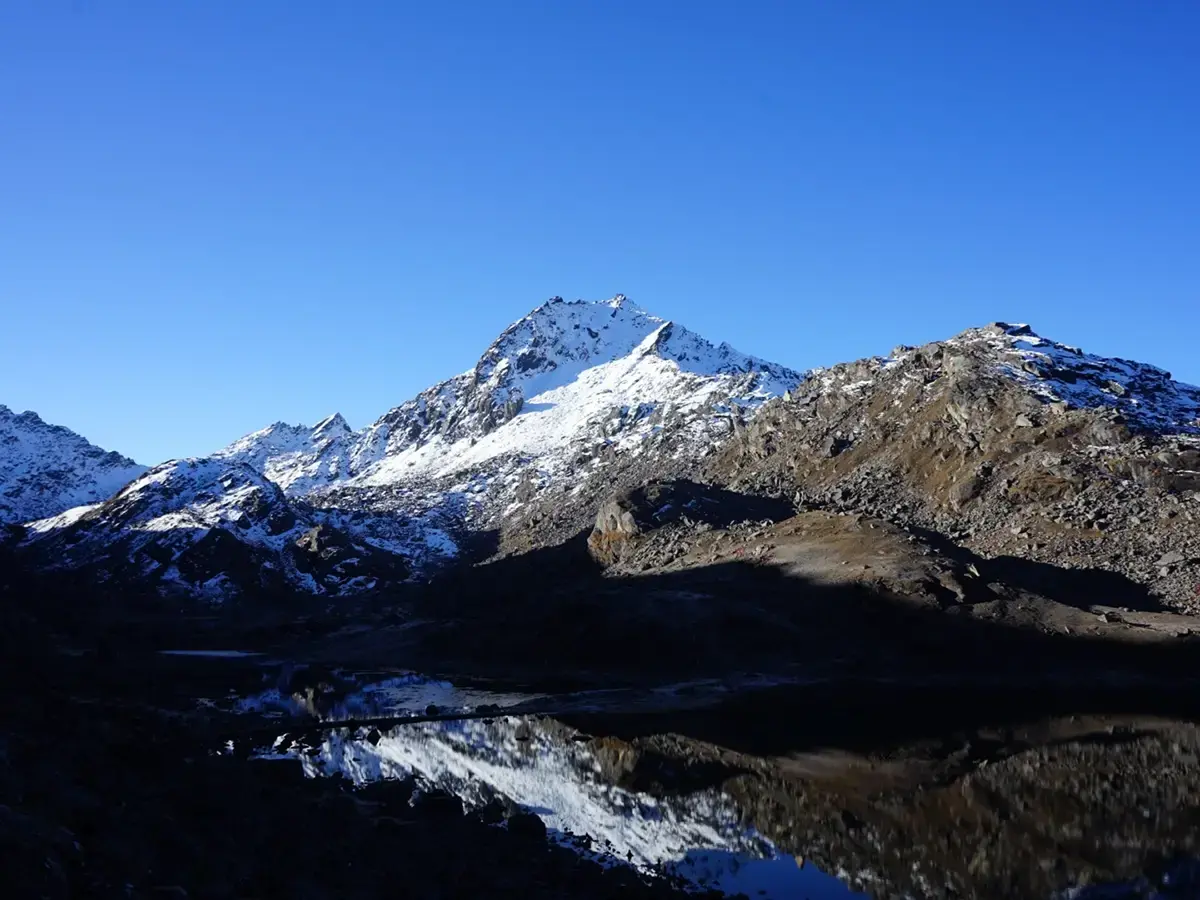
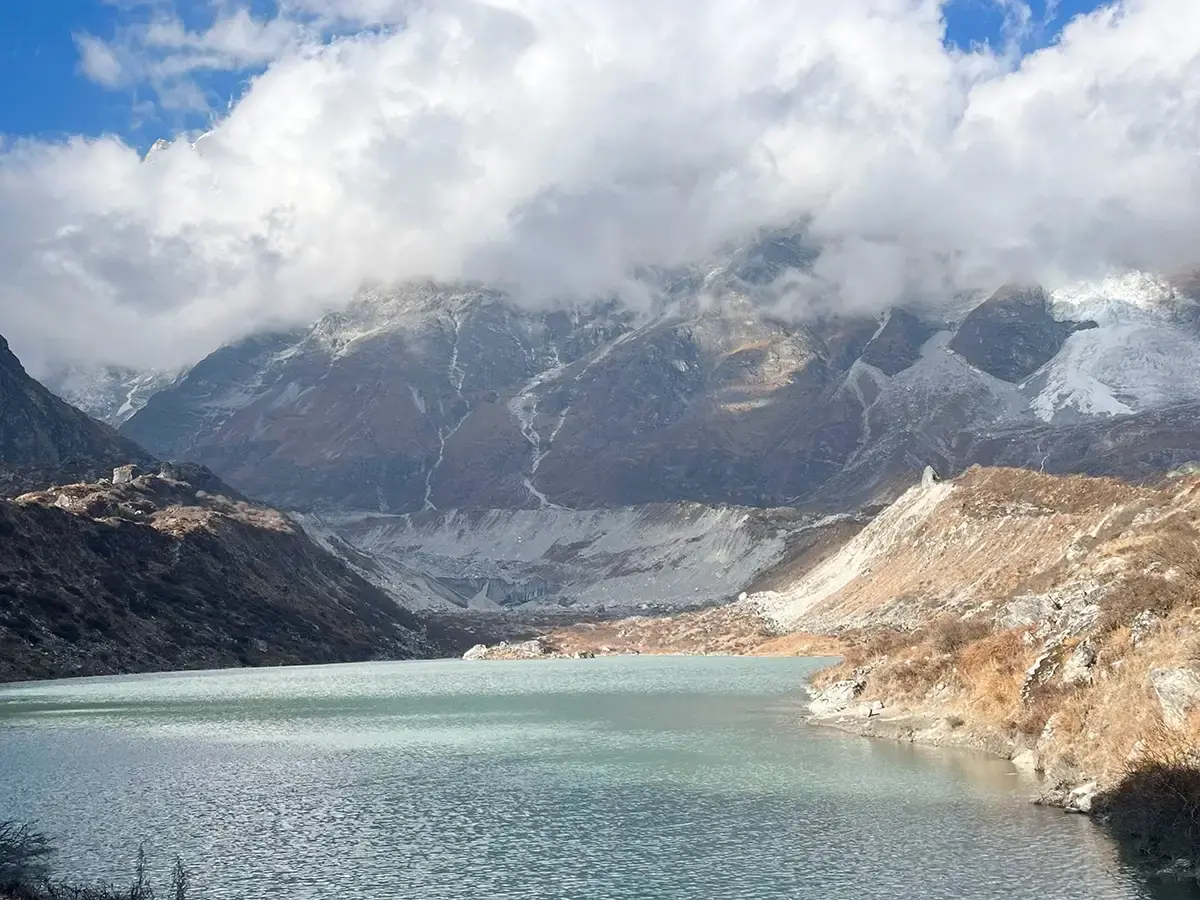
The Sacred Gosainkunda Lakes: The sacred Gosainkunda Lake is a revered Hindu pilgrimage. According to legends, Lord Shiva created these lakes to quench his thirst. Personally, I enjoy the early morning views of this serene lake. If you’re an avid photography enthusiast, I recommend arriving at the lakes before the afternoon mists roll in.

The Challenging Laurebina Pass: The Laurebina Pass is among the major highlights of this trek. Though technical and challenging, the views from this high-altitude vantage point are unmatched. The descent toward Ghopte further offers rare glimpses of the Ganesh Himal range and the rolling hills of Helambu to the south.

Authentic Tamang Hospitality: Along the trails, you will stay in teahouses that are often-run by the local communities or families. Enjoy authentic Tamang hospitality as you are invited into the heart of the teahouses. You will learn about the incredible tales of the valley, and share stories with the locals from the central stove (bhulu) area.

Typical Day during the Langtang Valley and Laurebina Pass Trek

Your day in the Langtang Valley and Laurebina Pass Trek starts early. The sound of the whistling kettle from the teahouse kitchen wakes you up at 6:30 AM. After a hearty breakfast, typically comprising Tibetan bread or porridge, you will hit the trails by 7:30 AM.

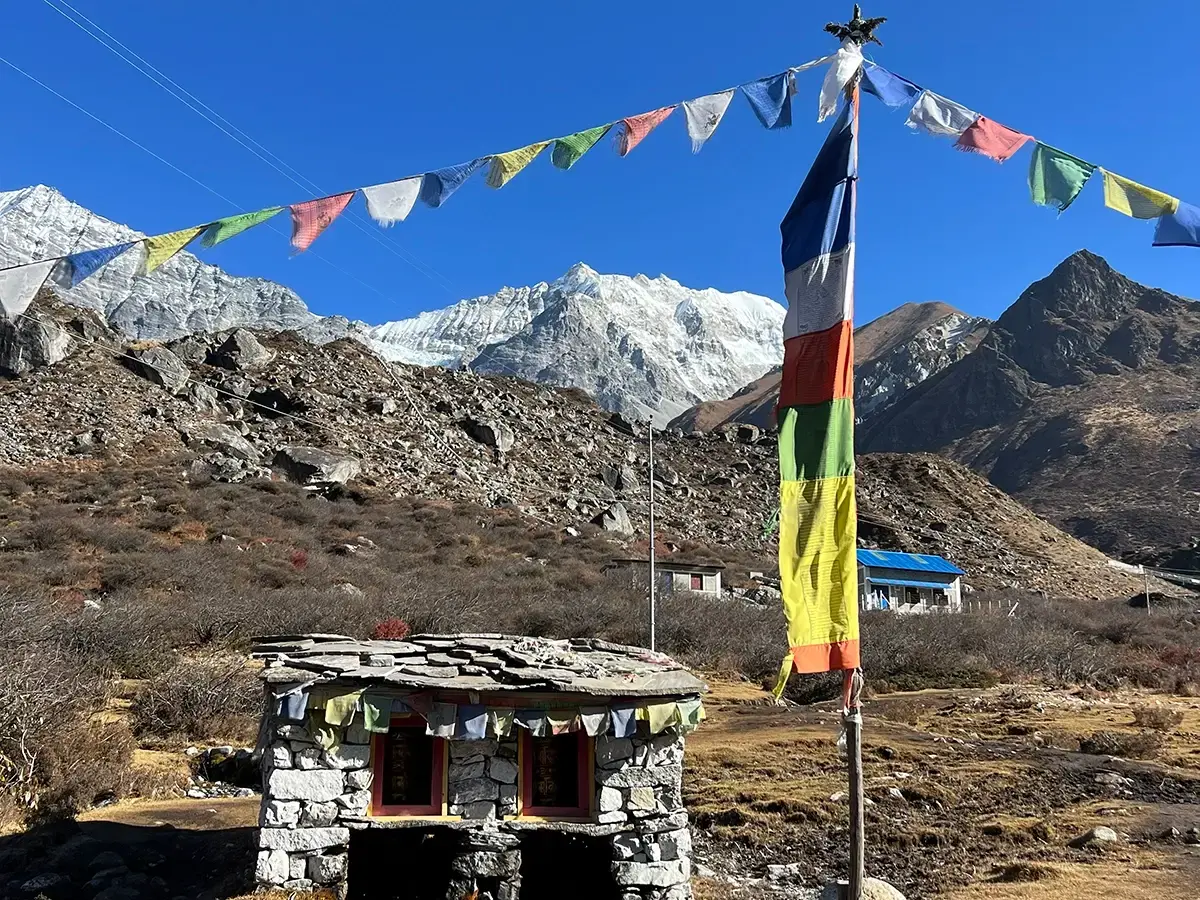
An early start is crucial here. The valley weather is calmer in the morning. In the afternoon, the clouds roll, significantly reducing visibility. Throughout the day, you will follow a steady rhythm as you cross suspension bridges draped in prayer flags and pass through pastures where yaks graze.

Lunch is served in a teahouse along the trail. Get yourself a plate of Dal Bhat. You can also try the seabuckthorn juice, a Himalayan superfood rich in antioxidants and vitamin C.

By 3:00 or 4:00 PM, you will reach your teahouse. This is the time for active recovery. Explore the village and discover the ancient local gompas of the region before heading back to your lodge before sunset. As night falls, the temperature drops significantly, prompting people to gather by the central stove (bhulu) in the dining area.

As you prepare for bed, we recommend drinking garlic soup and hot lemon honey to help with acclimatization.

Langtang and Laurebina Pass Trek: Cost for Logistics and Permits

The Langtang and Laurebina Pass Trek takes you through two national parks (Langtang National Park and Shivapuri National Park). Securing the right permits requires careful handling. Our 2026/2027 package is designed to be hassle-free, covering the Langtang National Park permit, the Shivapuri National Park entry, and the mandatory TIMS card.

Our package is built to be transparent. We manage the weights and welfare of our porters, provide high-quality safety gear, including oximeters and first-aid kits, and handle all teahouse bookings in advance.

By letting us manage the technical logistics, you can focus entirely on the physical challenge of the Laurebina Pass and the views of the Ganesh Himal.

Langtang Valley Trek with Laurebina Pass Highlights 2026/2027

  • Summit Kyanjin Ri (4,773m) or Tserko Ri (4,984m) for a massive Himalayan panorama.
  • Visit the famous Kyanjin Gompa Yak Cheese Factory for a taste of local high-altitude produce.
  • Trek to the sacred Gosaikunda Lakes (4,380m), a site of immense religious importance.
  • Conquer the Laurebina Pass (4,610m) for views stretching from Annapurna to Everest.
  • Walk through the "Valley of Glaciers" and witness the incredible recovery of Langtang Village.
  • Experience the distinct culture and traditions of the Tamang and Hyolmo people.
  • Descend through the lush rhododendron and bamboo forests of the Helambu region.

Customized Langtang Valley Trek with Laurebina Pass

The 15-day Langtang Valley Trek with Laurebina Pass itinerary is a balanced approach to the region. Nonetheless, we understand every trekker is different.

Adventure Trek in Himalaya offers fully customizable packages for those who want more. You can add extra days in Kyanjin Gompa to explore the Langshisha Kharka or upgrade your transport to a private 4WD Jeep for the Kathmandu-Syabrubesi leg to ensure a more comfortable start to your adventure.

Tell us your preferences, and we will build the perfect Himalayan circuit for you.
Langtang Valley Trek with Laurebina Pass Itinerary

Day 1

Arrival in Kathmandu and Transfer to Hotel

Welcome to the bustling heart of Nepal. Upon landing at Tribhuvan International Airport, our team will welcome you and assist with your transfer to your hotel. Take your time to rest and unwind. In the evening, head out to the vibrant tourist district of Thamel to enjoy some chilled beverages and live music.

Max Altitude: 1,400 meters
Meals: Null
Duration: 1-hour transfer
Accommodation: Null
Day 2

Meeting with Guide and Last Minute Preparation

Today is the final day for preparations before you hit the mountains. You will meet your guide to check your gear. This is also the final opportunity for last-minute shopping for extra items like woolen socks, a buff, or snacks.

As you spend the day finalizing your gear, our travel experts handle all required paperwork for your permits.

Max Altitude: 1,400 meters
Meals: Breakfast
Duration: Full day
Accommodation: Null
Day 3

Drive from Kathmandu to Syabrubesi

The drive to Syabrubesi is a thrilling journey along the Trishuli River. You will see terraced farms and small roadside towns. For an early glimpse of Ganesh Himal as you approach the mountains, ask the conductor to arrange a right lane window-seat.

Max Altitude: 1,550 meters
Meals: Breakfast
Duration: 7-8 hours drive
Accommodation: Teahouse/Lodge
Day 4

Syabrubesi to Lama Hotel

Your trek officially begins today. From the trailhead of Syabrubesi, you will follow the Langtang Khola and cross lush forests. The sound of rushing water accompanies you constantly. As you traverse the dense forests, keep an eye out for monkeys and various bird species. If you’re lucky, you may even get a rare glimpse of the red panda.

Max Altitude: 2,480 meters
Meals: Breakfast
Duration: 5-6 hours
Accommodation: Teahouse/Lodge
Day 5

Lama Hotel to Langtang Village

As you ascend to a higher altitude, you will notice the forest gradually thinning out. You will pass the old Langtang village and witness the resilience of the community in the new settlement built post 2015-earthquake. In Langtang Village, you will also encounter an extensive Mani wall. Your guide will remind you to keep the Mani wall to your right as a sign of respect.

Max Altitude: 3,430 meters
Meals: Breakfast
Duration: 5-6 hours
Accommodation: Teahouse/Lodge
Day 6

Langtang Village to Kyanjin Gompa

The trek to Kyanjin Gompa is short and allows your body to adjust to the increasing altitude. On today’s trek, you will pass through alpine meadows and vast pasture lands where yaks roam. In Kyanjin, you can visit the local cheese factory and explore the ancient monastery.

Max Altitude: 3,870 meters
Meals: Breakfast
Duration: 3-4 hours
Accommodation: Teahouse/Lodge
Day 7

Acclimatization and Exploration Day (Tserko Ri)

Today, your trek begins before dawn. You will take on one of the highlights of your journey to Tserko Ri. The pre-dawn hike is highly recommended to catch the sunrise and avoid the harsh afternoon wind.

You traverse through steep and rugged terrain to the 5,033-meter vantage point. Upon completing the challenges, you are rewarded with a 360-degree view of the Langtang range and Tibetan peaks.

For a less strenuous trek, you can opt for the 4,850-meter Kyanjin Ri trek.

Max Altitude: 5,033 meters
Meals: Breakfast, Lunch, and Dinner
Duration: 7-8 hours
Accommodation: Teahouse/Lodge
Day 8

Kyanjin Gompa to Lama Hotel

The descent to Lama Hotel is much easier on the lungs. You will notice your breathing becomes much easier as you drop back into the tree line. But the steep downhill journey can be hard on your knees. Walk “Bistarai, Bistarai” (slowly, slowly) with the help of your trekking poles to lessen the burden on your knees.

As you retrace your steps, you can enjoy the different perspective of the valley walls and the majestic peaks.

Max Altitude: 2,480 meters
Meals: Breakfast
Duration: 5-6 hours
Accommodation: Teahouse/Lodge
Day 9

Lama Hotel to Thulo Syabru

Today, your trail branches off toward the village of Thulo Syabru. This village is perched on a ridge and offers breathtaking views of the landscape. Thulo Syabru also offers an insight into the traditional architecture and lifestyle of the Tamang community.

Max Altitude: 2,230 meters
Meals: Breakfast
Duration: 5-6 hours
Accommodation: Teahouse/Lodge
Day 10

Thulo Syabru to Sing Gompa

The journey to Sing Gompa takes you through a steady climb through rhododendron and pine forests. This village is famous for its “Chandanbari” cheese and incredible sunset views over Ganesh Himal. Enjoy the pink and orange hues that take over the Himalayan horizon, creating perfect, magical moments for photography enthusiasts.

Max Altitude: 3,330 meters
Meals: Breakfast
Duration: 4-5 hours
Accommodation: Teahouse/Lodge
Day 11

Sing Gompa to Gosaikunda

The landscape turns rugged and rocky as you approach the sacred lakes. You’ll pass Laurebinayak (3,900 meters) before the sacred Gosaikunda lakes come into view. Seeing the first glimpse of Saraswati Kunda and Bhairab Kunda is a moment you won't forget.

Max Altitude: 4,380 meters
Meals: Breakfast
Duration: 5-6 hours
Accommodation: Teahouse/Lodge
Day 12

Gosaikunda to Ghopte via Laurebina Pass

You have reached the ultimate highlight of your 15-day Langtang Valley and Laurebina Pass Trek. Your day begins before dawn. The climb is steady, and you will need to take on the thin air of the high altitude.

Once you have conquered the pass, more challenges await on the steep and rocky trails that lead you to Ghopte.

Max Altitude: 4,610 meters
Meals: Breakfast
Duration: 7-8 hours
Accommodation: Teahouse/Lodge
Day 13

Ghopte to Kutumsang

Today, you reach the Helambu region. The trail takes you on constant ascents and descents along the Nepali flat and through beautiful forests. Kutumsang is a beautiful village where you can experience the lifestyle and culture of the local Hyolmo people.

Max Altitude: 2,470 meters
Meals: Breakfast
Duration: 5-6 hours
Accommodation: Teahouse/Lodge
Day 14

Kutumsang to Chisapani

A final long day of trekking takes you across lush ridges. Chisapani is famous for its sunrise views. On a clear day, you can see the entire Himalayan range from Annapurna to Everest from your lodge.

Max Altitude: 2,165 meters
Meals: Breakfast
Duration: 6-7 hours
Accommodation: Teahouse/Lodge
Day 15

Chisapani to Sundarijal and drive to Kathmandu

The final descent involves a hike through the Shivapuri National Park. You will pass the massive stone staircase toward the water reservoir at Sundarijal before reaching Kathmandu. Just outside the Sundarijal premises, you will find a private vehicle waiting to take you back to the comforts of your hotel in Thamel.

Max Altitude: 1,400 meters
Meals: Breakfast
Duration: 3-4 hours trek; 1-hour drive
Accommodation: Null
Plan Your Trip Your Way
Can't find a suitable date? No worries! Our experts will help you plan a departure date that fits your schedule and make your adventure happen at the perfect time.

Essential Information

When is the Best Time for the Langtang Valley and Laurebina Pass Trek in 2026/2027?

The best times for the Langtang Valley and Laurebina Pass trek are in Spring (March to May) and Autumn (September to November). Spring is spectacular as the rhododendrons bloom in shades of red and pink, and the temperatures are moderate. There can be late-season snow on the pass in early March.

Autumn (September to November) is considered the gold standard. This post-monsoon season washes away the dust along the trail, leaving the most crystal-clear views of the peaks. This is also when pilgrims visit Gosaikunda, adding further significance with the cultural detour.

How Difficult is the Langtang and Laurebina Pass Trek? Who can go on this Trek?

The Langtang Valley with Laurebina Pass Trek is classified as a moderate to strenuous journey. While the valley floor is manageable, the crossing of the pass and the total duration of 15 days require good physical preparation and stamina.

The trek is especially suitable for:

  • Active hikers with a good level of fitness who can handle 6-8 hours of walking daily on the Himalayan terrain.
  • Adventure seekers who have some prior experience with high altitude or have spent time in hilly regions.
  • Culture enthusiasts who want to experience the authentic Tamang and Hyolmo lifestyle.

Preparations for the Langtang Valley Trek with Laurebina Pass: Necessary Gear Checklist

Proper gear helps you complete the Langtang Valley trek with Laurebina Pass. Here is your essential list:

Head

  • Trekking Hat/Cap
  • Headlamp/Flashlight (with extra batteries)
  • Sunglasses (UV protection)
  • Woolen hat/Beanie (for cold weather)
  • Bandana/Buff (for dust and sun protection)

Body

  • Base Layer Shirts (moisture-wicking)
  • Trekking Jackets (lightweight and windproof)
  • Insulating Layer (fleece or down jacket)
  • Rain Jacket/Poncho (lightweight)
  • Trekking Trousers (durable and comfortable)

Footwear

  • Trekking Boots (waterproof, with good grip and ankle support)
  • Thick Socks (merino wool or synthetic)
  • Sandals/Flip-flops (for lodges)

Extra Suggested Items

  • Sleeping bag (provided, or bring your own)
  • Trekking Poles
  • Water Purification Tablets/Filter
  • Portable Power Bank
  • First Aid Kit (personal medications)

Sunblock and Lip Balm (SPF 40+)

Speak to an Expert
Sudarsan Naupane
Sudarsan Naupane