Everest Base Camp Trek with Island Peak Climbing

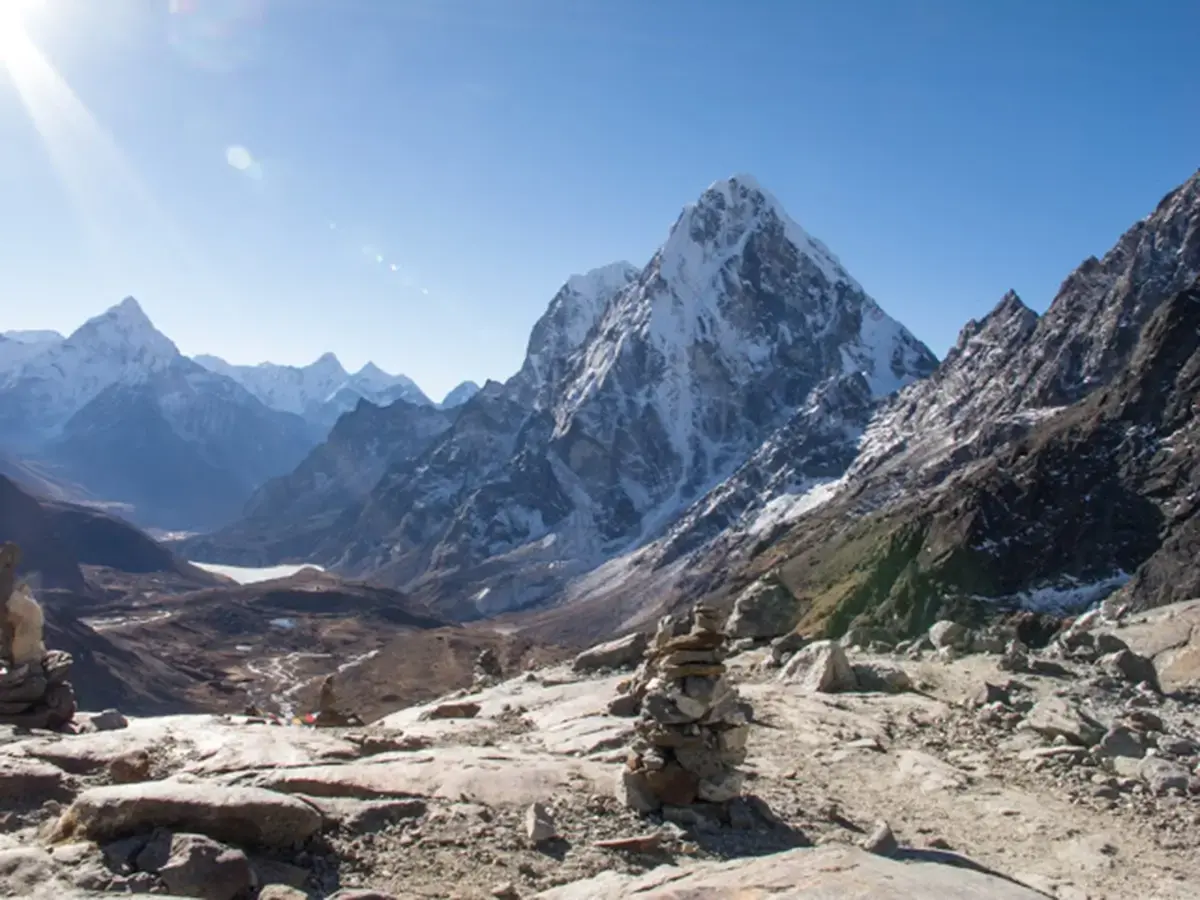
The Everest Base Camp Trek with Island Peak (Imja Tse) climb is the ultimate Himalayan adventure for those who want to transition from trekking to mountaineering. This 19-day expedition follows the legendary trails to the foot of the world’s highest mountain before diverting to cross the high Kongma La Pass. The journey culminates in a technical climb to the 6,189-meter summit of Island Peak, offering a bird’s-eye view of the Lhotse face and the surrounding giants.

Duration
19 Days
Trip Grade
Strenuous / Technical
Maximum Altitude
6,189 meters
Starts
Kathmandu
Ends
Kathmandu
Group Size
Up to 12 Pax (Standard)
Best Time
Spring (March to May) and Autumn (September to November)

"Bistari, bistari." You will hear this a hundred times before you even reach the icy terrain on the 19-day Everest Base Camp Trek with Island Peak. This is the law of the mountain, where your guide monitors your pace to avoid altitude-related sickness.

And when you encounter Mani stones, always walk to the left. It is more than just tradition. It is how we stay on the good side of the mountain spirits that guard these high, lonely passes.

Past Namche Bazaar, you will feel like leaving civilization behind. The air gets thin and sharp. Crossing the Kongma La Pass is where most trekkers start to question their choices. But it is worth it for that first real look at the Imja glacier. When you finally reach the base of Island Peak, you wait for that 3:00 AM silence. When the wind stops its constant howling, that is your window. That is when we clip in and start the climb while the world is still frozen and still.

The local garlic soup is your primary aid to conquer the 6,189-meter peak. Available at every teahouse, this is a pungent drink that keeps your blood moving when the oxygen is low. And for the annoying Khumbu cough, usually caused by inhaling pulverized yak dung dust in the dry air, keep your buff slightly damp. It sounds strange, but it acts as a filter for your lungs.

Adventure Trek in Himalaya is now opening slots for our 2026 and 2027 expeditions for those who want a real challenge. Join us to secure your place on the summit rope for this legendary ascent.

Why choose the 19-day Everest Base Camp with Island Peak Trek in Nepal?

The 2026/2027 Everest Base Camp with Island Peak Trek season is more than just a trek. It is about maintaining a slow and steady rhythm that keeps you moving in the thin air. This journey turns a standard hike into a high-altitude masterclass for the restless soul.

Here are the top reasons to go on the EBC with the Island Peak trek:

The Kongma La Challenge: At 5,535 meters, you will hear the glacier "talk" via deep, metallic groans as the ice shifts. This pass is the best way to toughen your lungs for the 6,000-meter mark. It is a silent, raw world that standard trekkers skip, offering the best acclimatization for the peak ahead.

Island Peak Summit: You wait for the "morning lull" around 3:00 AM when the wind suddenly dies. To conquer the 6,189-meter headwall, use the "flat-foot" crampon technique to save your calves. To avoid the Khumbu cough, keep your buff damp to filter the pulverized yak dung dust floating in the dry air.

Sherpa Cultural Immersion: The EBC with Island Peak trek offers insightful Sherpa cultural immersion. Before stepping onto the glacier, you will join a local puja to ask the mountain for safe passage. Join the Sherpas to toss “lungta” prayer flags into the air to spread blessings.

Economic and Environmental Sustainability: Adventure Trek in Himalaya strictly follows the SPCC rule, where each climber carries 8kg of waste down from high camps to keep the glaciers clean. By staying in family-owned lodges in Dingboche and Chhukung, your trek directly funds local schools and repairs the ancient stone paths you walk upon.

Typical Day During the EBC with Island Trek 2026/2027

Before the sun rises from the majestic Himalayas, your host serves a steaming ginger-lemon-honey tea to help you get out of your cozy cocoon. After breakfast, you will hit the trails. The trek starts at 8:00 AM. An early start is crucial to avoid the harsh afternoon winds and the chilly evening conditions.

Following the Sherpa shuffle, a rhythmic short-paced walk designed to keep your heart rate stable, you take on the ascents and descents. When the yak caravans approach, remember to move to the mountainside of the trail. Staying inside the wall is crucial for your safety and is the primary rule to avoid being accidentally nudged toward the steep cliffside.

Lunch is served in a teahouse along the trail. The Dal-Bhat-Power 24-hour keeps you energized and fuels you for the rest of the afternoon’s trek. By 3:00 or 4:00 PM, you will reach your overnight destination. Here, you will spend some time in active recovery by exploring the nearby villages. Later, you can huddle around the central stove as dinner is being prepared.

Your guide performs a nightly oximeter check to ensure your blood oxygen levels are safe for the next day's gain. Under a sky where the Milky Way feels within reach, the vast wilderness reminds you why this region is called the Third Pole.

Everest Base Camp and Island Peak Trek: Cost for Logistics, Flights, and Permits

Managing a peak climbing expedition requires more than just paperwork, as it requires localized expertise. Our 2026/2027 Everest Base Camp and Island Peak Trek package is designed to be entirely hassle-free, covering the Sagarmatha National Park entry, the Khumbu Pasang Lhamu fee, and the specific NMA climbing permit for Island Peak.

We also handle the mandatory SPCC garbage deposit in Namche Bazaar. This is a crucial logistical step that ensures your summit certificate is processed without delays when you return from the mountain.

Flight Update: Lukla flights depart from Manthali to bypass the morning fog. We provide private transfers, leaving Kathmandu at midnight to catch the most stable morning flight windows.

Join Adventure in Himalaya for your 2026/2027 EBC and Island Peak expedition. Contact us today to begin your journey.

Everest Base Camp with Island Peak Highlights 2026/2027

  • Stand on the summit of Island Peak (Imja Tse) at 6,189 meters for views of Lhotse and Makalu.
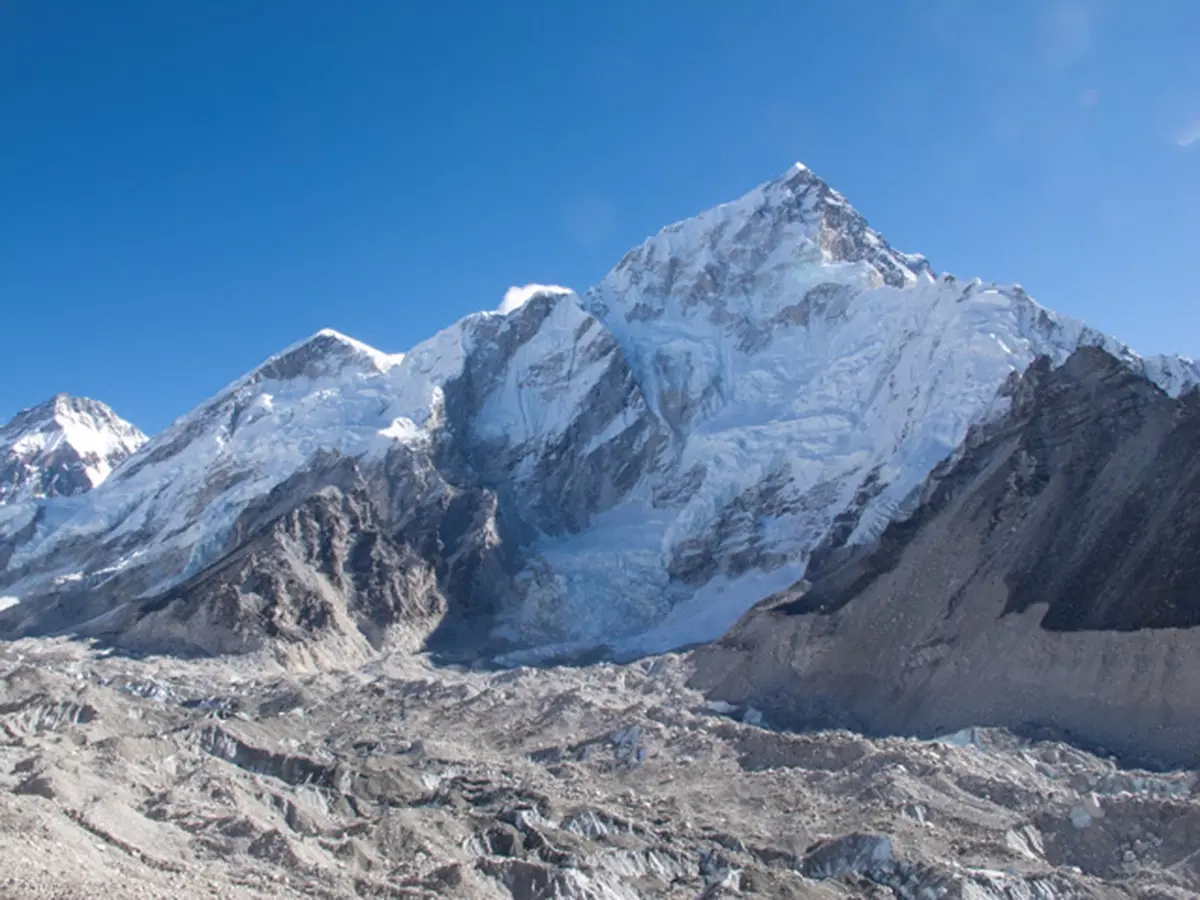
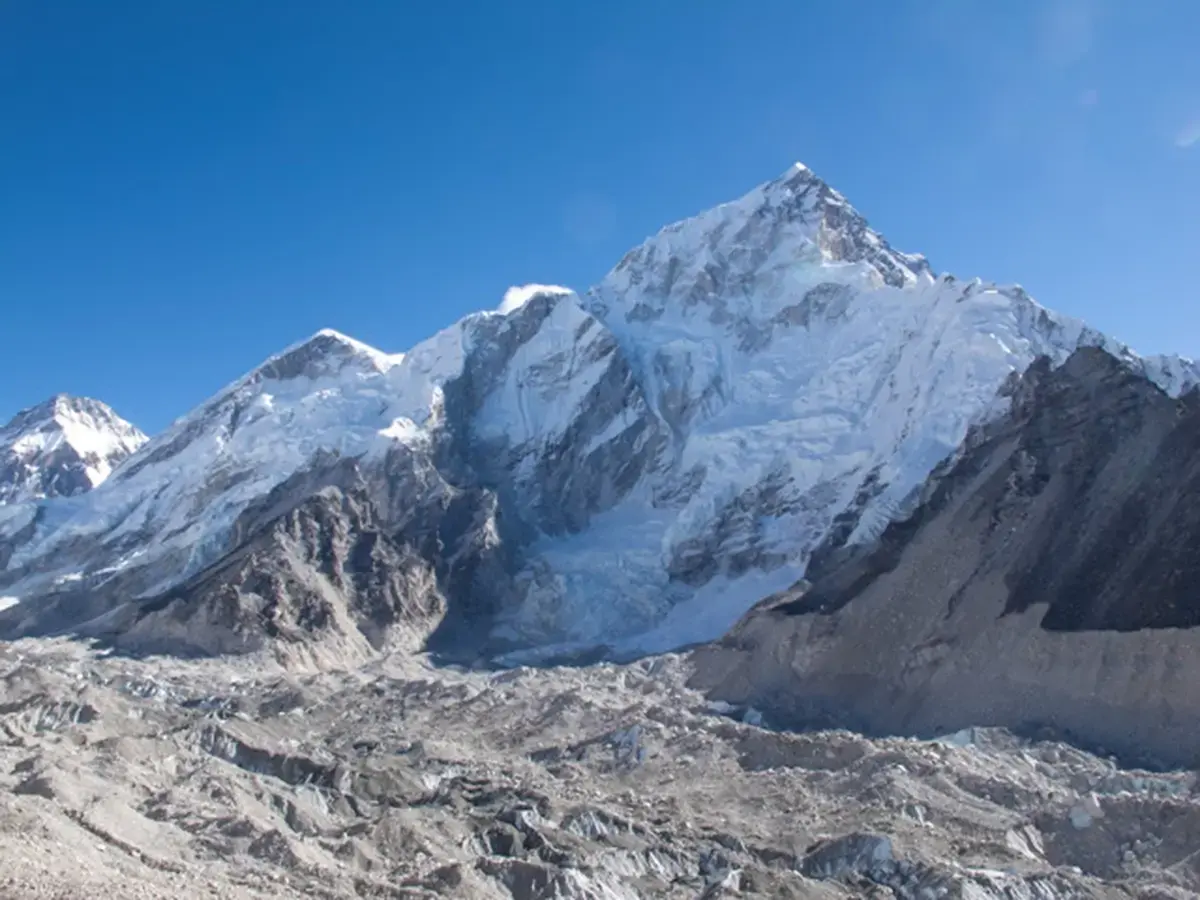
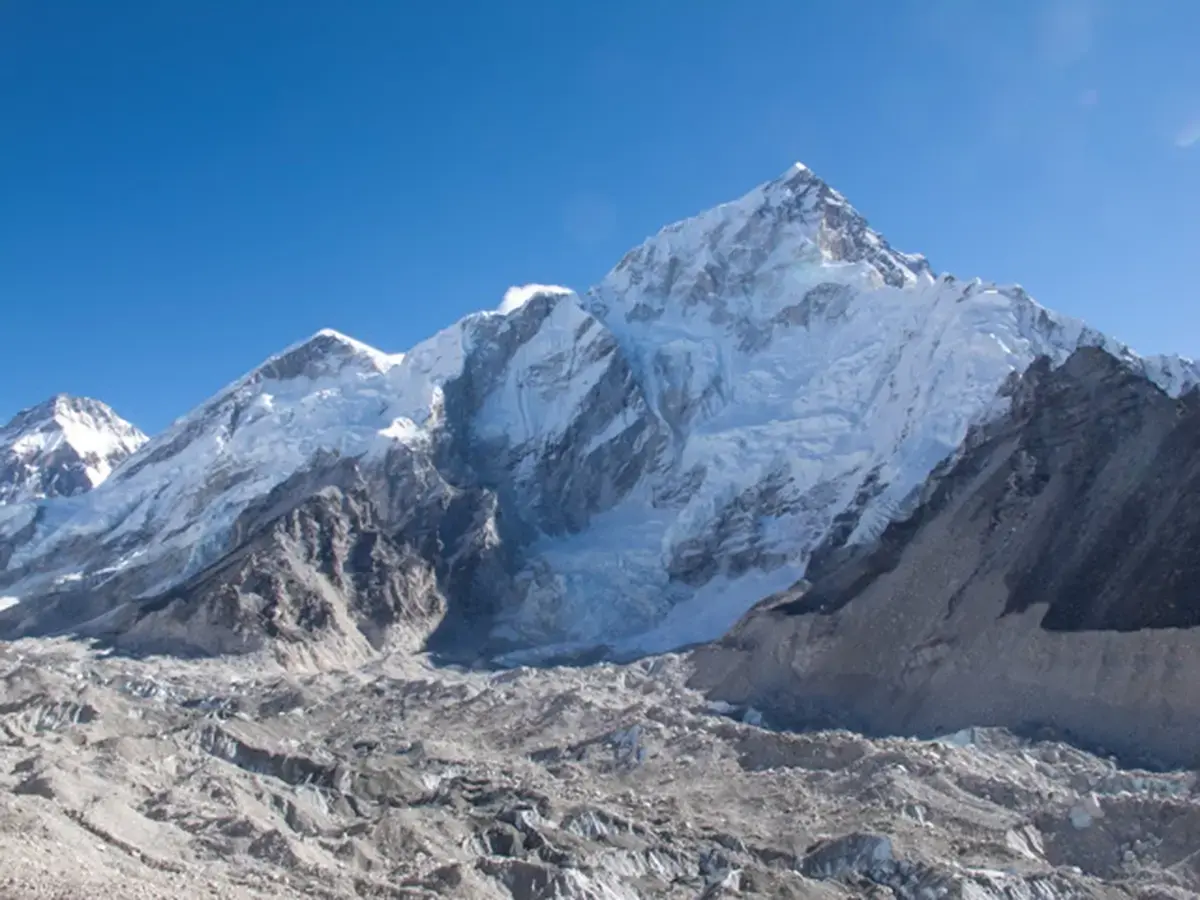
  • Reach the iconic Everest Base Camp (5,364m) and the Khumbu Icefall.
  • Hike to the top of Kala Patthar (5,545m) for the classic panoramic view of Mount Everest.
  • Cross the high and challenging Kongma La Pass (5,535m).
  • Receive professional pre-climb training on glacier travel and rope techniques.
  • Experience high-altitude camping at Island Peak Base Camp.
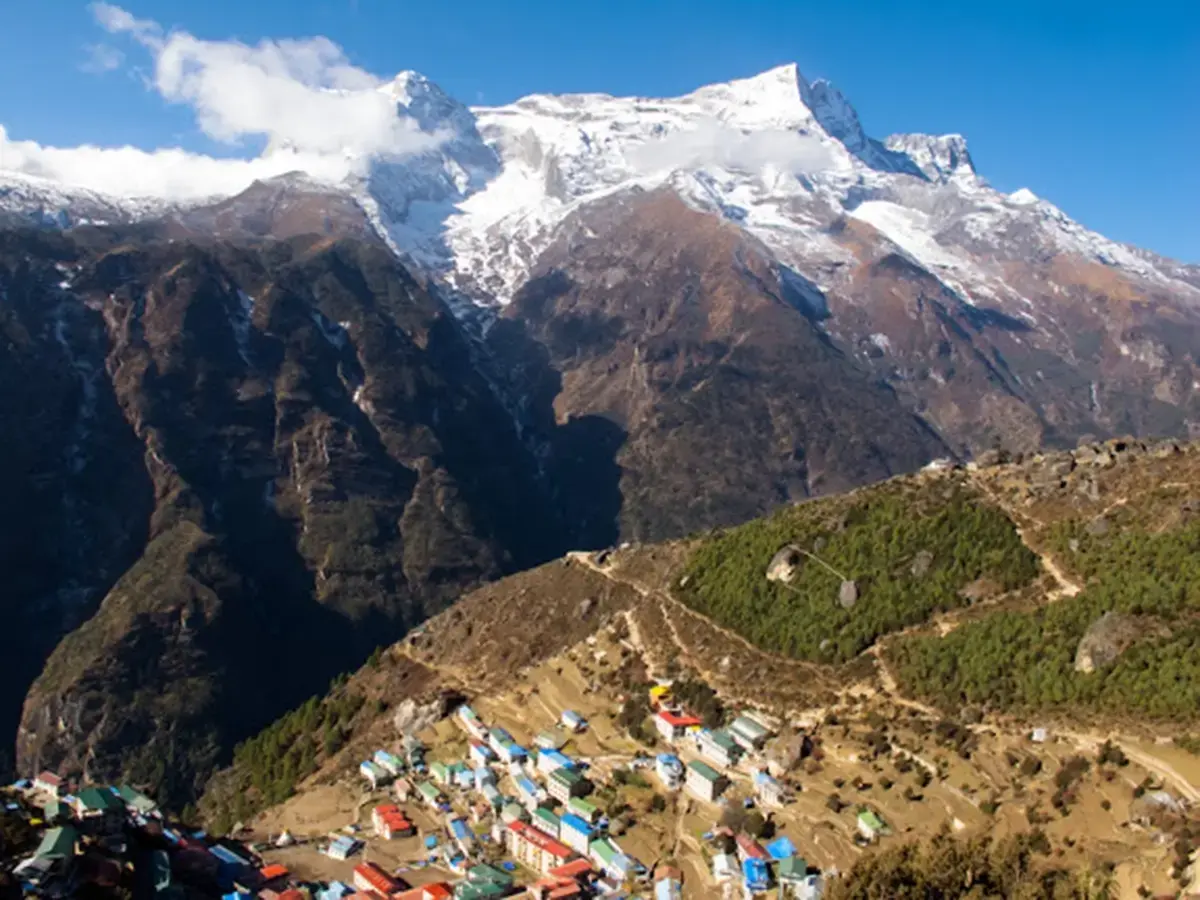
  • Explore Namche Bazaar, the vibrant heart of Sherpa culture.
  • Fly into the world-famous Tenzing-Hillary Airport in Lukla.

Customized Everest Base Camp and Island Peak Climb

The 19-day itinerary is a comprehensive journey with built-in acclimatization. However, Adventure Trek in Himalaya offers customizable packages for those with specific needs.

Whether you wish to add extra training days at base camp, upgrade to luxury lodges in Namche, or arrange a helicopter return from Chhukung to Kathmandu, our travel experts can tailor the journey. Share your preferences with us, and we will create a Himalayan adventure that aligns with your mountaineering goals.
Everest Base Camp Trek with Island Peak Climbing Itinerary

Day 1

Arrival in Kathmandu

Today, your 19-day Everest Base Camp with Island Peak journey begins. Upon landing at Tribhuvan International Airport, our representative will meet you and transfer you to your hotel. Use this day to recover from your flight and explore the streets of Thamel.

Max Altitude: 1,400 meters
Meals: Null
Duration: 1 hour transfer
Accommodation: Null
Day 2

Kathmandu: Trip Preparation

Today is for final gear checks and briefings. You will meet your climbing leader and guides to discuss the technical aspects of the Island Peak ascent. This is also your final chance for last minute shopping for missing gear or equipment.

Max Altitude: 1,400 meters
Meals: Breakfast
Duration: Full day
Accommodation: Null
Day 3

Fly to Lukla then trek to Phakding

A thrilling flight from the Kathmandu airport takes you to the gateway of Everest, Lukla. After landing in the Tenzing-Hillary Airport, you will meet the rest of your crew and begin the trek with a gentle descent toward Phakding. You will cross several suspension bridges over the Dudh Koshi River, adorned with colorful prayer flags.

Max Altitude: 2,610m
Meals: Breakfast, Lunch & Dinner
Duration: 35 min flight; 3-4 hours trek
Accommodation: Teahouse/Lodge
Day 4

Phakding to Namche Bazaar

Today’s trek passes through pine forests and the entrance to Sagarmatha National Park in Monjo. Take the time to embrace the deep gorge as you cross the high Hillary Bridge draped in fluttering prayer flags. Next, you will begin the long, steep climb to Namche Bazaar. On a clear day, you will get your first glimpse of Everest.

Max Altitude: 3,440 meters
Meals: Breakfast, Lunch & Dinner
Duration: 6 hours trek
Accommodation: Teahouse/Lodge
Day 5

Namche Bazaar: Acclimatization Day

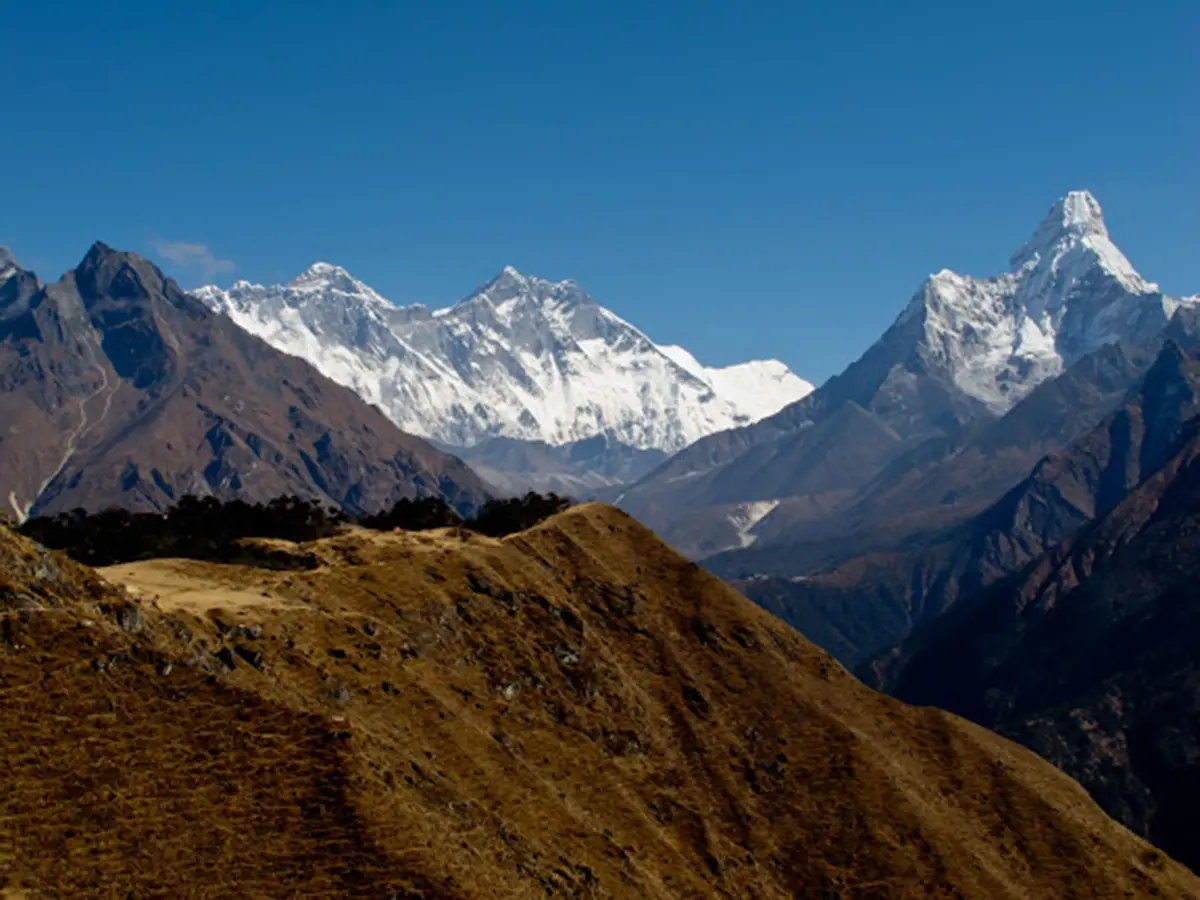
As you ascent to higher altitude, acclimatization is the key to keep your lungs working. As a part of this process, you will hike to the Everest View Hotel before returning to your Namche teahouse. Enjoy the stunning panorama of the Everest, Ama Dablam, Lhotse, and other surrounding peaks.

On your way back, you can spend the afternoon at the Sherpa Museum or enjoy a final beans coffee at the local bakeries before heading higher into the region.

Max Altitude: 3,880 meters
Meals: Breakfast, Lunch & Dinner
Duration: 3-4 hours hike
Accommodation: Teahouse/Lodge
Day 6

Namche Bazaar to Tengboche

The trail to Tengboche takes you through the mountainside with spectacular views of Ama Dablam. You will descend to the river before climbing through rhododendron forests to Tengboche.

Visit the famous monastery here for the evening chanting ceremony.

Max Altitude: 3,860 meters
Meals: Breakfast, Lunch & Dinner
Duration: 5-6 hours
Accommodation: Teahouse/Lodge
Day 7

Tengboche to Pheriche

You will notice the sub-tropical terrain gradually disappear as you hike above the tree line today. The landscape becomes more rugged and alpine. Your journey takes you through Pangboche and continue to the windy valley of Pheriche.

The views of Taboche and Cholatse are breathtaking from your teahouse balcony at Pheriche.

Max Altitude: 4,371 meters
Meals: Breakfast, Lunch & Dinner
Duration: 5-6 hours
Accommodation: Teahouse/Lodge
Day 8

Pheriche to Lobuche

As you leave Pheriche behind, you will trek toward the Thukla Pass. Here, you will find memorials for climbers who lost their lives on Everest. Pay your respect to the mountains and the lost lives before continuing alongside the Khumbu Glacier to Lobuche

Max Altitude: 4,940 meters
Meals: Breakfast, Lunch & Dinner
Duration: 5-6 hours
Accommodation: Teahouse/Lodge
Day 9

Lobuche to Gorak Shep, visit Everest Base Camp

Today you reach one of the highlights of your trek. After a trek to Gorak Shep, you continue to Everest Base Camp. Stand on the glacier and watch the movement of expeditions before returning to Gorak Shep for the night.

Max Altitude: 5,364m
Meals: Breakfast, Lunch & Dinner
Duration: 7-8 hours
Accommodation: Teahouse/Lodge
Day 10

Gorak Shep to Kala Patthar and back to Lobuche

A pre-dawn hike to Kala Patthar provides the most iconic view of Everest and the Khumbu Icefall. After descending to Gorak Shep for breakfast, you will trek back down to Lobuche to prepare for the high pass

Max Altitude: 5,545m
Meals: Breakfast, Lunch & Dinner
Duration: 7-8 hours
Accommodation: Teahouse/Lodge
Day 11

Lobuche to Kongma La to Chhukung

The trek to Chhukung is among the most difficult of your 19-day trek. You will cross the 5,535-meter Kongma La Pass as you navigate through rocky terrain and frozen lakes. After the ascent, you will continue downhill to Imja valley and Chhukung, the gateway to Island Peak.

Max Altitude: 5,535m
Meals: Breakfast, Lunch & Dinner
Duration: 8-9 hours
Accommodation: Teahouse/Lodge
Day 12

Chhukung to Island Peak Base Camp

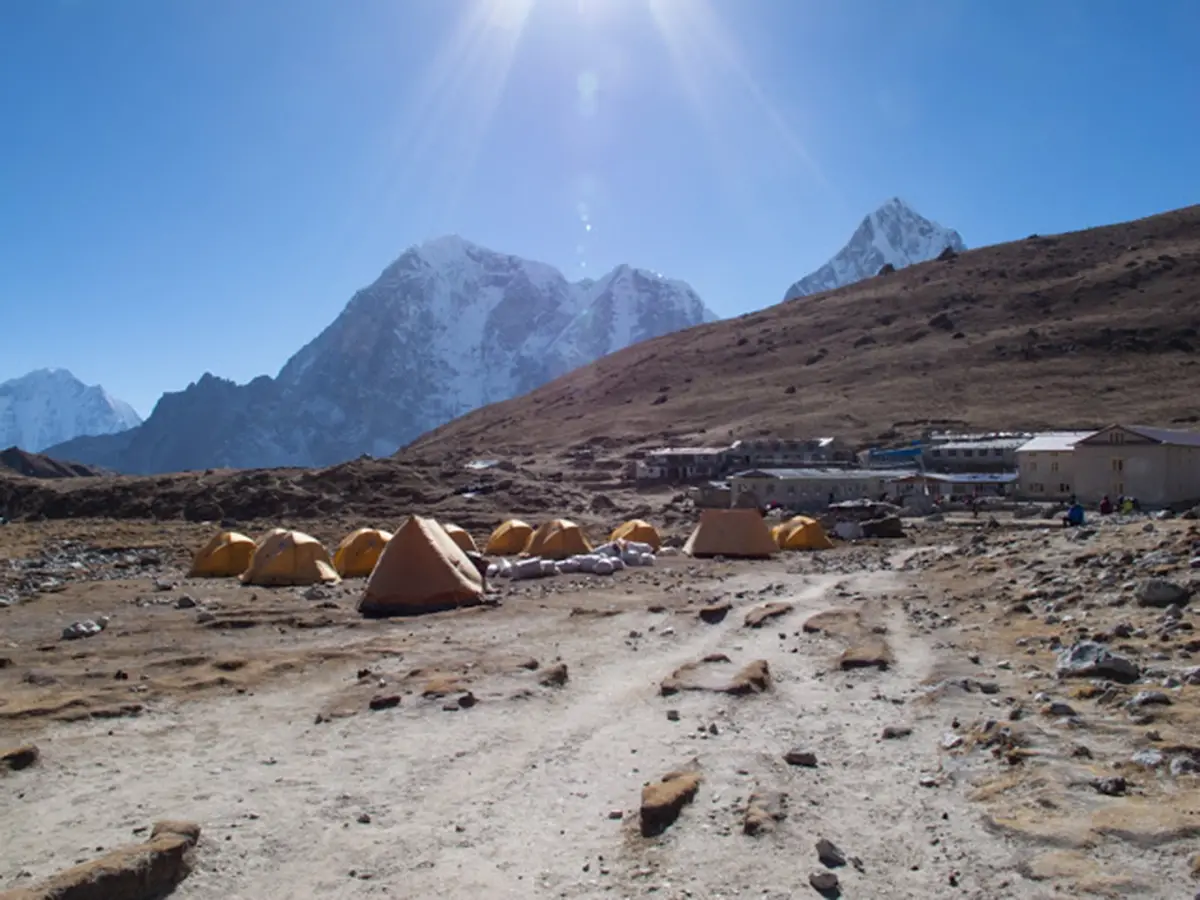
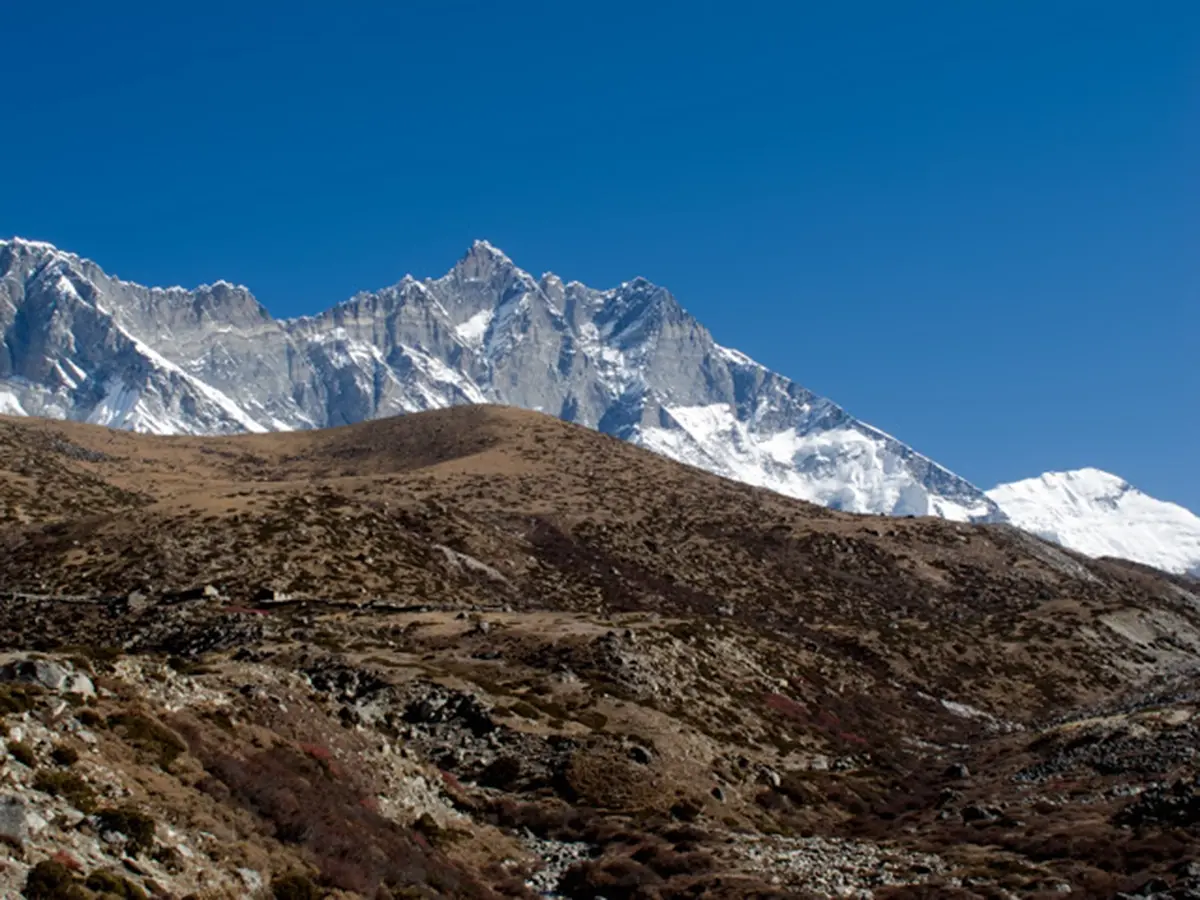
The trek to Base Camp is relatively short but steady. Our crew will have the tents set up. You will experience the unique atmosphere of a climbing camp, surrounded by the towering walls of Lhotse and Nuptse.

Max Altitude: 5,200 meters
Meals: Breakfast, Lunch & Dinner
Duration: 3-4 hours
Accommodation: Tented Camp
Day 13

Pre-climb training on Island Peak Base Camp

Today is a crucial day as you learn the essentials of climbing the Island Peak. Your climbing guides will demonstrate the use of technical gear, including the use of ascenders (jumars) on fixed ropes and rappelling technique.

This training is vital for safety and builds the confidence needed for the summit.

Max Altitude: 5,200 meters
Meals: Breakfast, Lunch & Dinner
Duration: Full day
Accommodation: Tented Camp
Day 14

Island Peak Summit and back to Base Camp

The summit attempt starts early, You need to be ready to leave your camp by 2:00 AM.

You will climb through icy terrain and across the glacier using crampons. The final headwall poses the most significant challenge. But, conquering this steep terrain takes you to the summit ridge. After spending some time soaking in the triumph, you will descend carefully back to Base Camp.

Max Altitude: 6,189 meters
Meals: Breakfast, Lunch & Dinner
Duration: 10-12 hours
Accommodation: Tented Camp
Day 15

Island Peak Base Camp to Pangboche

With the Island Peak summit success behind you, the descent feels much easier as you gain more oxygen. You will retrace your steps through Chhukung and Dingboche, arriving in the warmer air of Pangboche.

Max Altitude: 3,930 meters
Meals: Breakfast, Lunch & Dinner
Duration: 5-6 hours
Accommodation: Teahouse/Lodge
Day 16

Pangboche to Namche Bazaar

The trail takes you back through Tengboche. As you reach Namche Bazaar, you can enjoy a celebratory drink and a hot shower.

Max Altitude: 3,440 meters
Meals: Breakfast, Lunch & Dinner
Duration: 6-7 hours
Accommodation: Teahouse with private bathroom
Day 17

Namche Bazaar to Lukla

The final day of trekking consists of a long descent back to Lukla via the Hillary Bridge. Tonight, you will have a farewell dinner with your crew and porters to celebrate the successful expedition.

Max Altitude: 2,860 meters
Meals: Breakfast, Lunch & Dinner
Duration: 6-7 hours
Accommodation: Teahouse/Lodge
Day 18

Fly to Kathmandu

An early flight returns you to the capital. Upon arrival, you will be transferred to your hotel. You have the afternoon free for souvenir shopping. In the evening, head out to the live music bar to celebrate the successful ascent of the Island Peak.

Max Altitude: 1,400 meters
Meals: Breakfast
Duration: 35 min flight
Accommodation: Null
Day 19

Final Departure

Our representative will drop you at the airport for your flight home, carrying memories of the Khumbu and your successful Island Peak summit.

Max Altitude: 1,400 meters
Meals: Breakfast
Duration: Transfer to airport
Accommodation: Null
Plan Your Trip Your Way
Can't find a suitable date? No worries! Our experts will help you plan a departure date that fits your schedule and make your adventure happen at the perfect time.

Cost Details

Includes

  • Domestic flights (Kathmandu/Manthali to Lukla and back) and jeep transfers to Manthali.
  • Private airport transfers in Kathmandu.
  • 15 nights of lodge accommodation (including 5 nights with private bathrooms).
  • 2 nights of tented accommodation at Island Peak Base Camp.
  • Standard full-board meals (16 Lunches, 15 Dinners, and 16 Breakfasts).
  • Seasonal fresh fruits provided every day.
  • Licensed climbing leader, porters, and a dedicated cook for the climbing period.
  • Island Peak climbing permit (6,189m) and garbage deposit.
  • Sagarmatha National Park and Khumbu Municipality fees.
  • All camping equipment and group climbing gear (ropes, ice screws, snow bars).
  • Medical kits including an oximeter for oxygen monitoring.
  • Duffle bag, sleeping bag, and down jacket provided if needed.

Excludes

  • International airfare and Nepal Visa fees (50 USD for 30 days).
  • Accommodation and meals in Kathmandu.
  • Mandatory travel insurance covering high-altitude helicopter rescue.
  • Personal climbing gear (boots, crampons, harness) and clothing.
  • Personal expenses like Wi-Fi, hot showers, alcohol, and charging fees.
  • Tips for guides, climbing staff, and porters.

Essential Information

When is the Best Time for the Island Peak Climb in 2026/2027 (with EBC)?

Careful planning for the 6,189-meter Island Peak summit is the difference between a successful summit kiss and turning back early. Spring, specifically from late March to May, is the most popular choice for many. The climbing route is usually more predictable, and you will soak up the high energy "Everest vibe" as elite expeditions move through the Khumbu.

For those who prioritize photography, Autumn from late September to November offers unrivaled clarity. After the monsoon rains wash the atmosphere, the views of the Lhotse south face are crisp. However, be prepared for sharper winds and colder nights in the Chhukung valley during these months.

We recommend avoiding winter altogether. The summit headwall often turns into "black ice," which makes securing ice screws and maintaining crampon grip significantly more technical and risky for most climbers. Stick to the primary seasons to ensure the fixed ropes are well maintained.

How Difficult is the Everest Base Camp and Island Peak Climb? Who can go on this expedition?

The Island Peak Expedition (with EBC) is classified as strenuous and technical. It is significantly more demanding than a standard trek to Everest Base Camp because it involves crossing a high pass and a technical summit push on a glacier.

The Everest Base Camp and Island Peak climb is suitable for:

  • Experienced trekkers with excellent physical stamina who have previously hiked at altitudes above 4,000 meters.
  • Mountaineers with knowledge of rope work or those willing to learn technical skills during the training day.
  • Active travelers who can maintain a steady pace for 10 to 12 hours on summit day while carrying a daypack in the freezing high-altitude conditions.
  • Individuals with strong mental strength who can handle the discomfort of high-altitude camping and rugged mountain terrain.

Preparations and Gear Checklist for Everest Base Camp and Island Peak Summit

Proper gear is the difference between a successful summit and an early descent. While we provide group gear, you are responsible for your personal climbing layers.

Head and Face Protection

  • Sun Hat and Woolen Beanie (The beanie must cover your ears for the summit wind)
  • UV Protection Sunglasses (Category 4 lenses are best to prevent snow blindness on the glacier)
  • Buff or Neck Gaiter (A silk or fleece buff is vital to keep the dry air from causing the Khumbu cough)
  • Sunblock and Lip Balm (SPF 50 or higher to combat the intense high altitude radiation)

Body Clothing

  • Moisture-wicking Base Layers (Merino wool is the gold standard for staying dry and managing odors)
  • Fleece or Softshell Mid-Layer (Perfect for the movement between Chhukung and Base Camp)
  • Waterproof and Windproof Shell Jacket (Gore-Tex or similar breathable fabric for the summit ridge)
  • Heavy Down Jacket (Rated for -20°C to handle the bitter pre-dawn summit push)
  • Lightweight and Heavy Trekking Trousers (Layering is key for the freezing mornings and warm afternoons)

Lower Body and Footwear

  • Trekking Socks (4 to 5 pairs including thick woolen socks specifically for the climb)
  • Hiking Boots (Water-resistant and fully broken-in before you land in Lukla)
  • Double Mountaineering Boots (Required for Island Peak to keep your toes warm in the snow)
  • Sandals or Camp Shoes (Crucial for letting your feet breathe in the teahouses and tents)

Hand Protection

  • Inner Lightweight Gloves (For dexterity when adjusting your climbing harness or drinking water)
  • Heavy Waterproof Warm Outer Gloves (Critical for handling frozen ropes on the summit headwall)

Essential Trekking and Safety Gear

  • Day Pack (30 to 45L with a waterproof rain cover for your daily essentials)
  • Sleeping Bag (Rated to -20°C for the cold nights spent at Island Peak Base Camp)
  • Trekking Poles (These are essential to save your knees during the long descent from the summit)
  • Headlamp with extra batteries (A high-lumen lamp is required for the 2 AM summit start)
  • Water purification tablets or a high-quality filter
  • Personal First Aid Kit and plenty of Cash (NPR is needed for extra snacks or charging fees in the mountains)
Speak to an Expert
Sudarsan Naupane
Sudarsan Naupane