Everest Three High Passes Trek with Everest Base Camp and Gokyo Lakes

The Everest Three High Passes Trek is the definitive adventure for those seeking the most comprehensive experience in the Khumbu region. This 19-day circuit links the three legendary mountain passes: Kongma La, Cho La, and Renjo La. Along the way, you will visit the iconic Everest Base Camp, climb the vantage point of Kala Patthar, and discover the tranquil turquoise waters of the Gokyo Lakes. It is a high-altitude odyssey that offers a 360-degree view of the world’s highest peaks.

Why Go on the Everest Three Passes Trek with Gokyo Lakes in Nepal?

While the standard Everest Base Camp Trek is a straightforward journey, the Three Passes Trek with Gokyo Lakes offers a masterpiece of the Himalayan geography. Delve deep into the wilderness that few travelers ever witness on this exclusive 19-day trek.

Here are the top reasons to go on this trek:

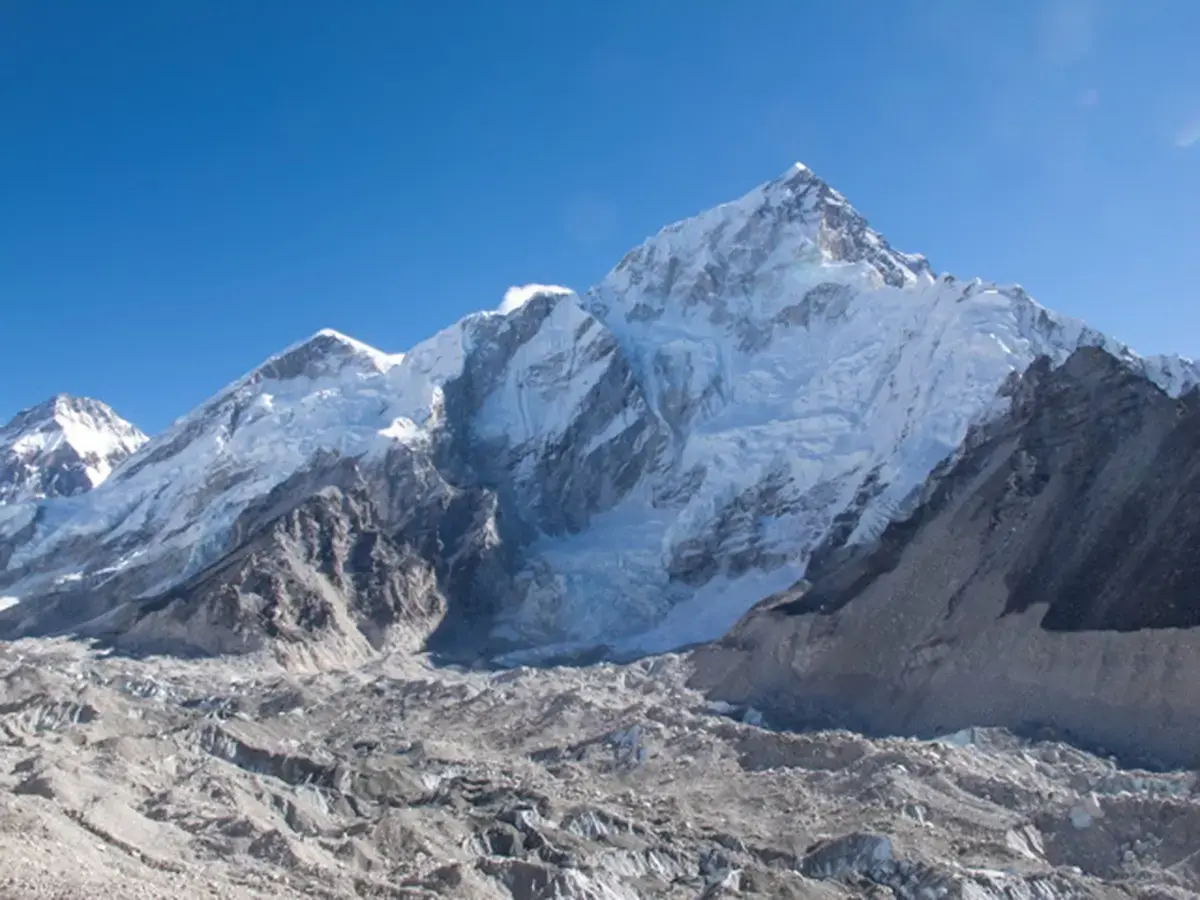
The Triple Pass Challenge: Crossing the Kongma La, Cho La, and Renjo La offers a profound sense of accomplishment incomparable to standard treks. Each pass comes with a unique perspective. Kongma La faces the Nuptse wall, Cho La requires a thrilling glacier crossing, and Renjo La gives you the finest view of Everest and Gokyo Lakes combined.

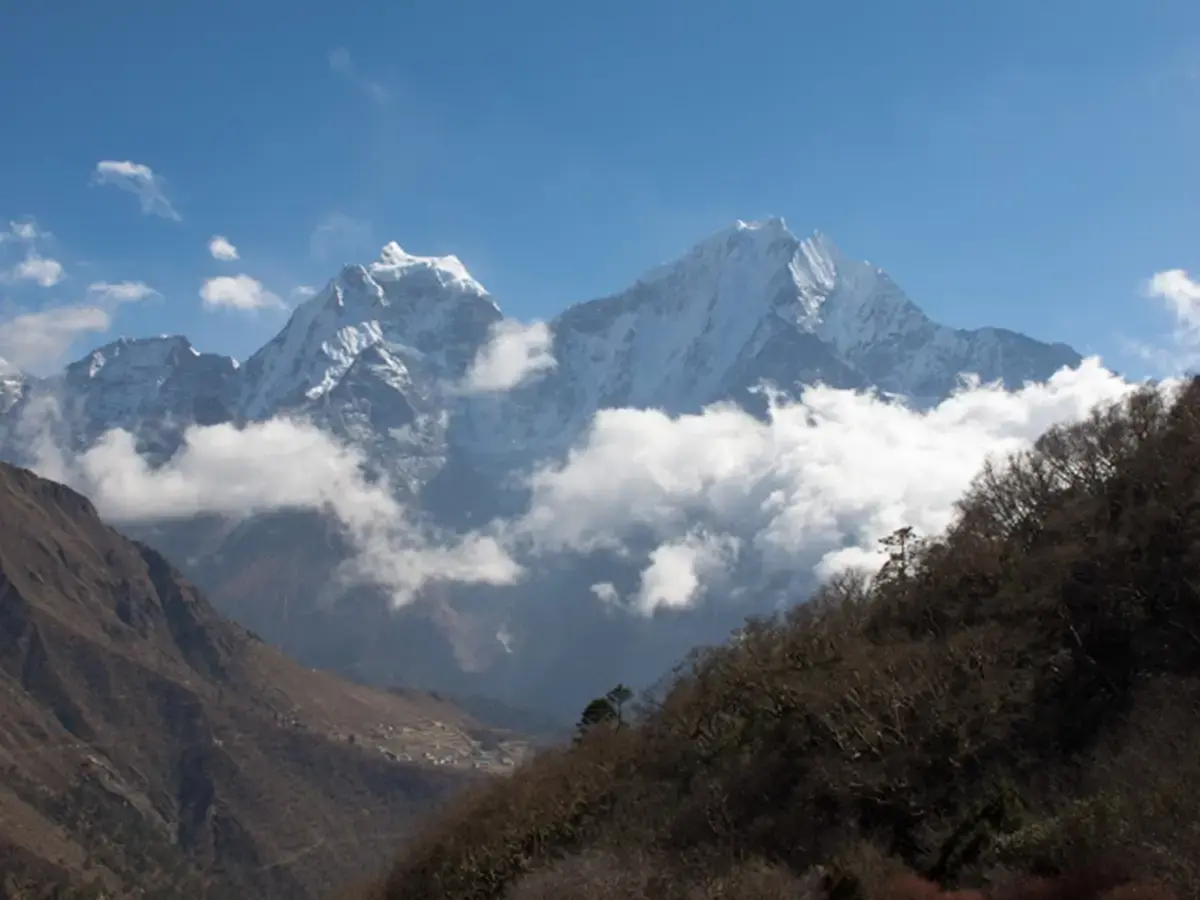
The Ultimate Viewpoint: This trek is a comprehensive journey that involves every pass and the Kala Patthar peak. Stand on the Kala Patthar summit for the classic view of Mount Everest. Meanwhile, Chhukung Ri offers a majestic view of the south face of Lhotse. At Gokyo Ri, be amazed by the 360-degree panorama of the four 8,000ers.

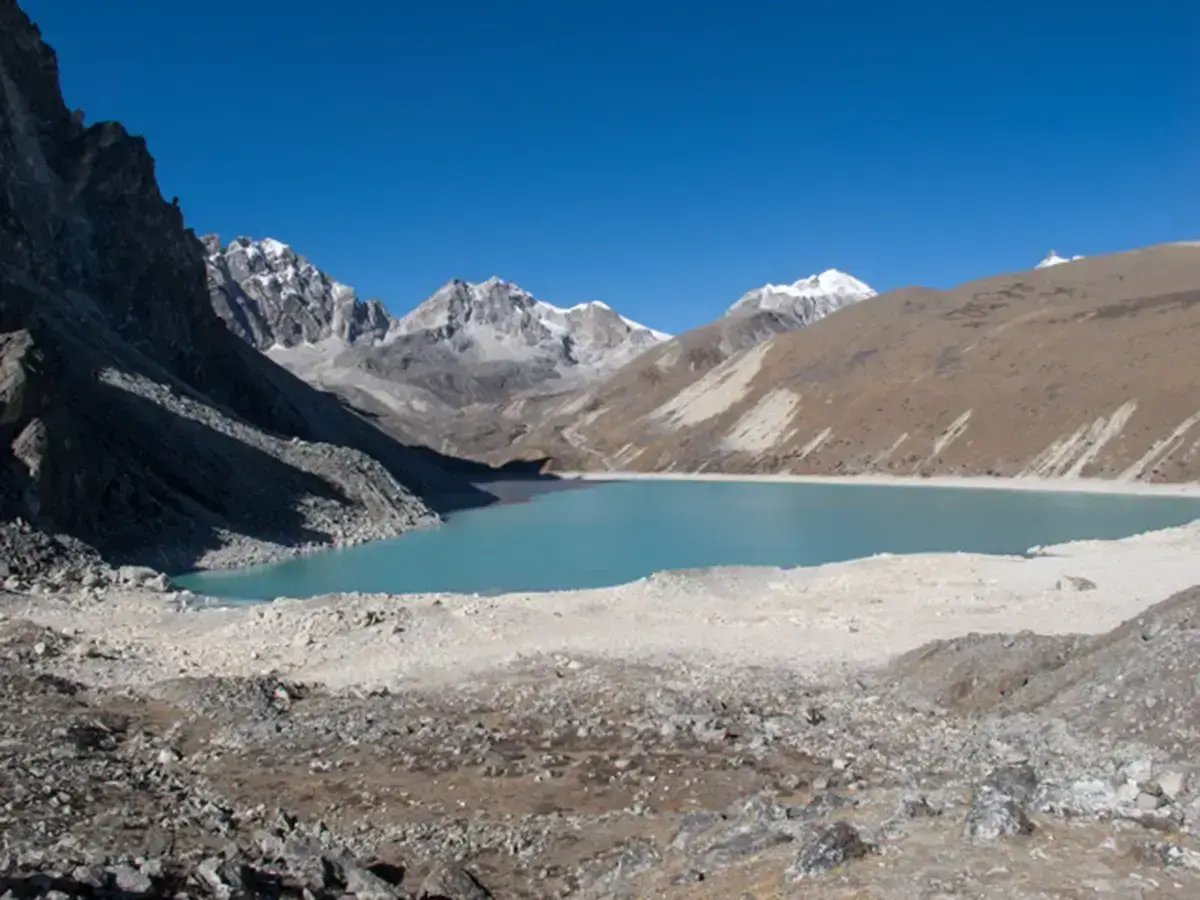
The Sacred Emerald Gokyo Lakes: The six turquoise Gokyo Lakes appear like a mirage after crossing the rocky terrain and passes. These high-altitude glacial lakes are sacred to both Hindus and Buddhists. Experience the spirituality in this visual sanctuary amid the rugged peaks of the Gokyo Valley.

Off-the-Beaten-Path Trails: Compared to the standard EBC trek, most parts of the Everest Three Passes Trek with Gokyo Lakes see significantly fewer trekkers. You can enjoy the serenity of the Himalayan wilderness, particularly from the stretches between Chhukung and Lobuche.

A Typical Day during the Everest Three Passes Trek with Everest Base Camp and Gokyo Lakes 2026/2027

Your mornings begin early, usually around 6:00 AM. Embracing the quiet frost of the Himalayas, you head for your breakfast. A warm bowl of porridge and ginger tea provides the fuel for your high-altitude excursion for the day.

Your mornings begin even earlier on pass-crossing days, typically at around 2:00 AM. The head start is crucial to ensure you reach the summit before the afternoon winds gain strength.

You will follow the classic Himalayan rhythm. At a comfortable, yet steady pace, you will navigate suspension bridges, ancient mani walls, and glacial moraines.

Lunch is served at around midday. This is a communal affair where you join the rest of your trekking crew and fellow trekkers to enjoy the nourishing dal-bhat at a sun-drenched tea house.

By late afternoon, you arrive at your lodge. The evening is spent in the warming hut, the social center of the trek. As the sun sets, the temperature drops rapidly, making the yak-dung-fueled stove the most popular spot in the room. This is the time to check your gear, share stories with fellow adventurers, and prepare for the next day’s ascent.

2026/2027 Everest Three High Passes Trek with Everest Base Camp and Gokyo Lakes: Cost for Logistics, Flights, and Permits

The logistics for the comprehensive 19-day Three Passes Trek with EBC and Gokyo Lakes are complex. However, we offer a hassle-free journey to our travelers with an all-inclusive package. Our travel experts have meticulously designed a seamless itinerary that allows you to focus solely on the trail.

Our 19-day package covers the Sagarmatha National Park Entry Permit and the Pasang Lhamu Rural Municipality Fee. We also include round-trip flights between Kathmandu (or Ramechhap) and Lukla.

Key logistical update for 2026/2027: During peak months, flights often depart from Manthali Airport in Ramechhap. We provide the necessary road transfers to ensure a seamless transition.

Everest Three High Passes Trek with Everest Base Camp and Gokyo Lakes Highlights

  • Conquer the three legendary passes: Kongma La (5,535m), Cho La (5,420m), and Renjo La (5,360m).
  • Reach Everest Base Camp (5,364m) and stand at the foot of the world’s highest peak.
  • Summit Kala Patthar (5,550m) for the most iconic sunrise view of Mount Everest.
  • Explore the six turquoise Gokyo Lakes and the massive Ngozumpa Glacier.
  • Climb Gokyo Ri (5,357m) for a panorama of Everest, Lhotse, Makalu, and Cho Oyu.
  • Experience the remote Bhote Koshi Valley and the traditional Sherpa village of Thame.
  • Acclimatize in Namche Bazaar, the vibrant capital of the Khumbu.

Customized Everest Three High Passes Trek 2026/2027

The 19-day Three Passes Trek with EBC and Gokyo Lakes is a comprehensive adventure. We understand that every trekker has different needs. Adventure Trek in the Himalaya offers fully customizable packages that align with the preferences of every traveler.

Whether you want to add extra acclimatization days in Dingboche, upgrade to luxury lodges in Namche, or arrange a helicopter return from Gokyo to Kathmandu to save time, our travel experts can tailor the itinerary to your specific preferences and fitness levels.

Duration
19 Days
Trip Grade
Strenuous/Challenging
Maximum Altitude
5,550 meters
Starts
Kathmandu
Ends
Kathmandu
Group Size
Up to 12 Pax (Standard)
Best Time
Spring (March to May) and Autumn (September to November)

The Everest Three High Passes with Everest Base Camp and Gokyo Lakes is a comprehensive journey that tests your endurance. On this 19-day trek, you travel in the shadow of the world’s tallest peak. Throughout the journey, you will avoid the “highway” feel of the main trail and take on the rugged, high-altitude link-routes that locals and explorers cherish.

Your journey begins with a thrilling flight to the legendary Tenzing-Hillary Airport in Lukla. From the airport, you will take on a steady ascent through the Sherpa heartlands. The Khumbu terrain is rugged, and the air is cold and dry. Expert climbers keep a buff handy to avoid the notorious Khumbu cough.

“Bistarai, Bistarai” (slowly, slowly) is the mantra you abide by throughout the trek, as rushing is a shortcut to altitude-related illnesses. Your trek comprises several challenges as you cross the Kongma La, Cho La, and Renjo La. Along the wilderness of the Himalayas, you will traverse moving glaciers and steep scree slopes where the silence is broken by the distant crack of shifting ice.

Your safety is our top priority. Our guides monitor your oxygen levels and ensure you are well-hydrated with local remedies like garlic soup. Despite the challenges, the Everest Three Pass trek with Gokyo Lakes offers a full Himalayan spectrum.

Capture the true magnitude of the Khumbu on a single trek. 2026/2027 slots are limited. Book your adventure now!

Everest Three High Passes Trek with Everest Base Camp and Gokyo Lakes Itinerary

Day 1

Arrival in Kathmandu and Transfer to Hotel

Max Altitude: 1,400 meters
Meals: Null
Duration: 1 hour transfer
Accommodation: Null
Day 2

Meeting with Guide and Last Minute Preparation

Today, you will spend the day on final preparations. You will meet your trekking guide for a comprehensive briefing on trail conditions and safety. Use this time to double-check your gear, purchase last-minute supplies, or rent any specialized high altitude equipment.

Max Altitude: 1,400 meters
Meals: Breakfas
Duration: Full day
Accommodation: Null
Day 3

Flight to Lukla and Trek to Phakding

Your journey to Lukla, the gateway to the Khumbu region, begins with a scenic flight from Kathmandu. Upon landing in the famous Tenzing-Hillary Airport, you will meet your support team and begin the trek with a gentle descent to Phakding.

Max Altitude: 2,640 meters
Meals: Breakfast, Lunch, and Dinner
Duration: 35 min flight; 3-4 hours trek
Accommodation: Teahouse/Lodge
Day 4

Trek from Phakding to Namche Bazaar

From Phakding, you will follow the Dudh Koshi River and cross high suspension bridges draped in colorful prayer flags. Your journey continues toward Monjo, the official entry point to the Sagarmatha National Park. After checking into the park, you will tackle the Namche Hill. On clear days, you can get the first distant view of Mount Everest from the halfway point of the Namche Hill.

Max Altitude: 3,440 meters
Meals: Breakfast, Lunch, and Dinner
Duration: 6-7 hours
Accommodation: Teahouse/Lodge
Day 5

Trek from Namche to Tengboche

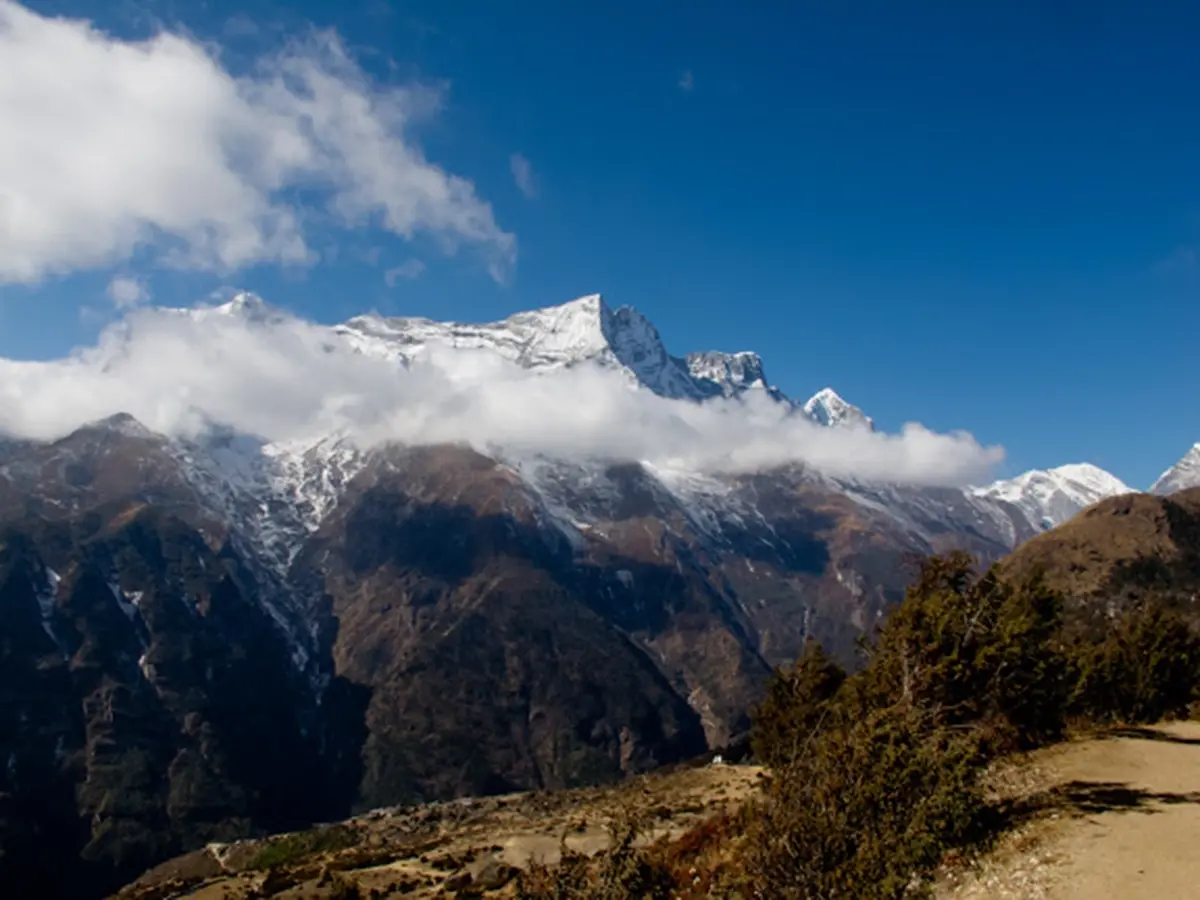
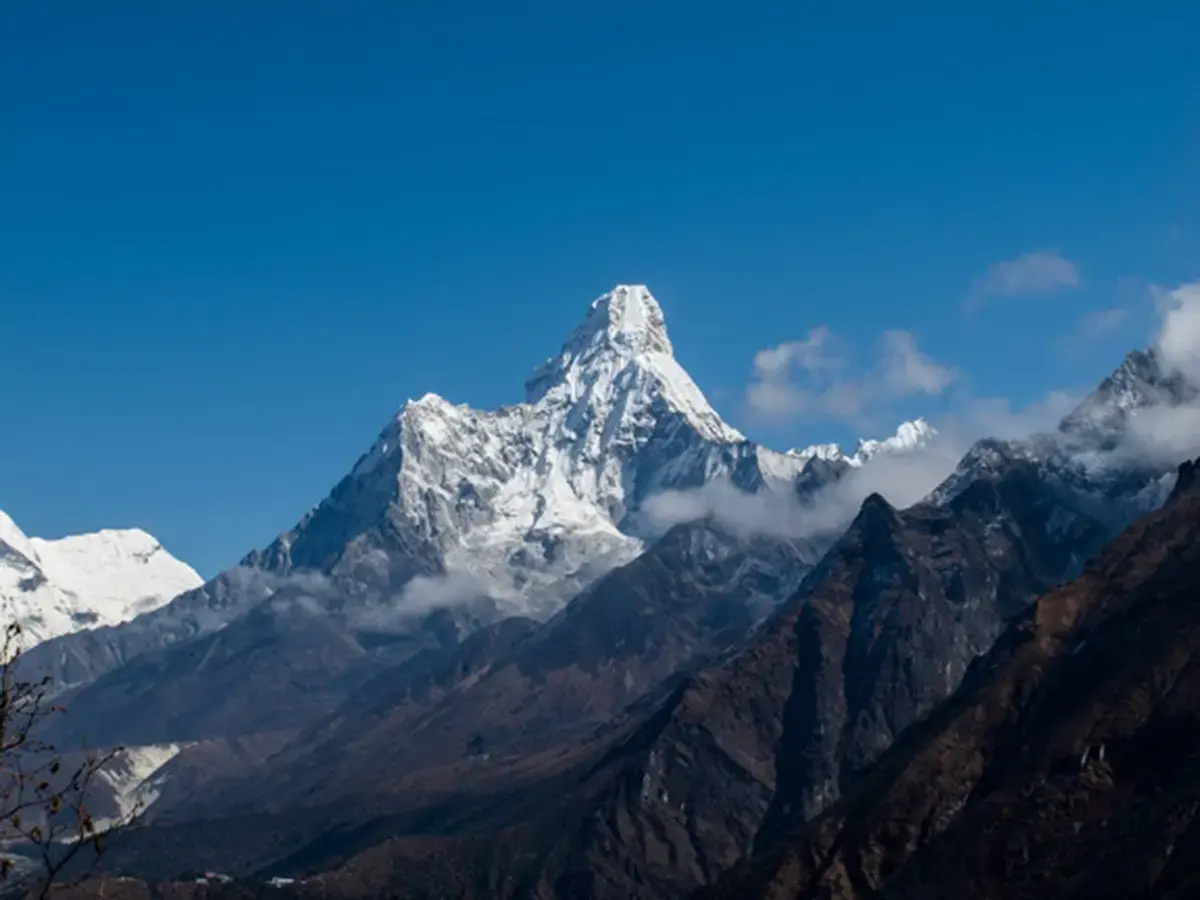
The journey continues from Namche along a ridge with expansive views of Ama Dablam. Your way to Tengboche takes you on a downhill journey to the river before climbing through rhododendron forests. In Tengboche, you can visit the famous monastery and witness afternoon prayers.

Max Altitude: 3,860 meters
Meals: Breakfast, Lunch, and Dinner
Duration: 5-6 hours
Accommodation: Teahouse/Lodge
Day 6

Trek from Tengboche to Dingboche

The landscape becomes increasingly alpine as you move above the tree line. You will cross the Imja Khola and head toward Dingboche village. The stone walls here protect crops from high winds.

At this altitude, it is wise to avoid meat products and stick to fresh, vegetable dishes.

Max Altitude: 4,410 meters
Meals: Breakfast, Lunch, and Dinner
Duration: 5-6 hours
Accommodation: Teahouse/Lodge
Day 7

Acclimatization Day in Dingboche

Proper acclimatization is vital to allow your body to adjust to the high altitude conditions of the upcoming passes. You will follow the principle of “walk high, sleep low.” As a part of this process, you will hike to Nangkartshang Peak for a panoramic view of Makalu and Island Peak.

This strategy prepares your lungs for thin air. Spend the afternoon resting and hydrating with plenty of warm fluids like ginger tea and local Himalayan garlic soup.

Max Altitude: 4,410 meters
Meals: Breakfast, Lunch, and Dinner
Duration: 3-4 hours hike
Accommodation: Teahouse/Lodge
Day 8

Trek from Dingboche to Chhukung

A shorter trek leads you into the Chhukung Valley. This section is less crowded and offers intimate views of the Lhotse and Nuptse walls.

You are now preparing for your first high pass. We recommend sleeping with your camera batteries inside your sleeping bag to keep them from draining.

Max Altitude: 4,730 meters
Meals: Breakfast, Lunch, and Dinner
Duration: 3-4 hours
Accommodation: Teahouse/Lodge
Day 9

Trek to Lobuche via Crossing Kongma La Pass

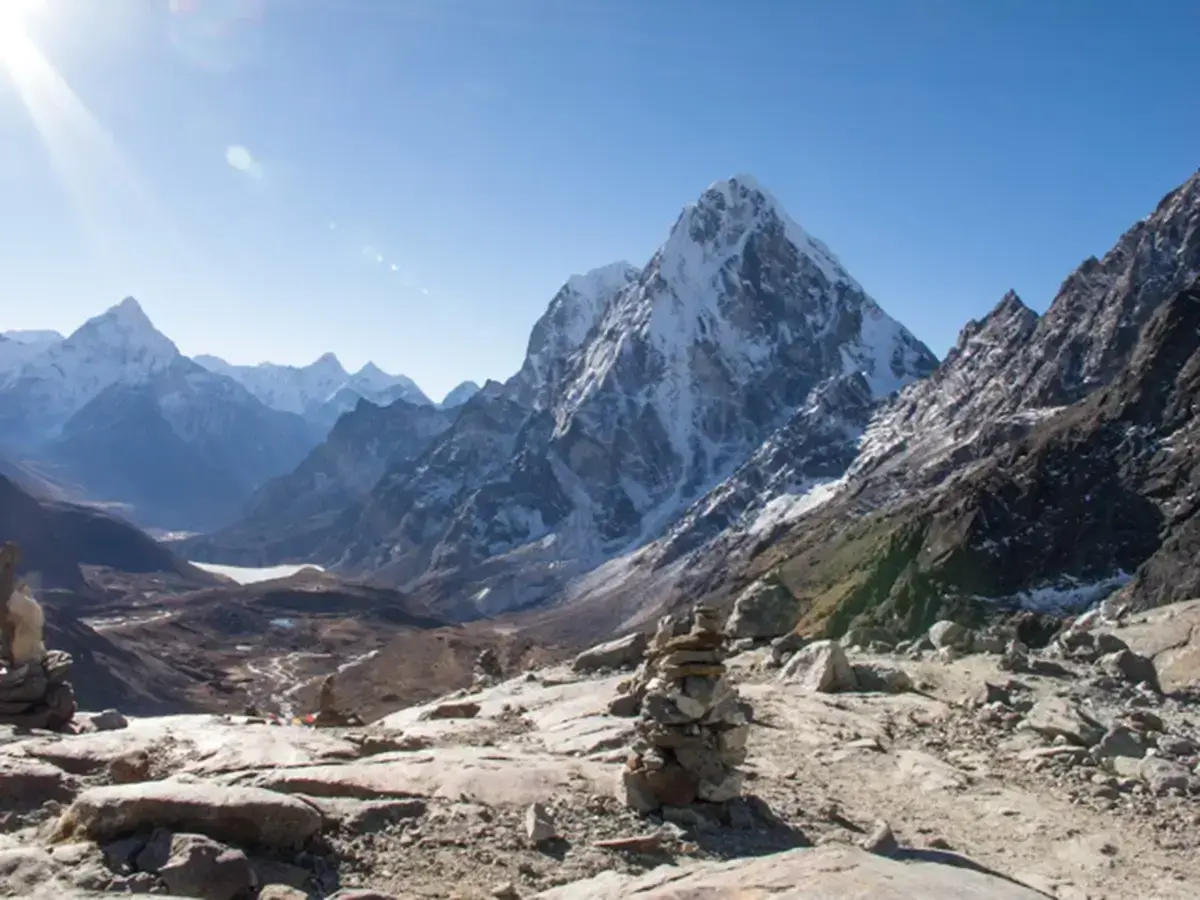
Today is challenging as you tackle Kongma La. The path involves steep scree and a crossing of the Khumbu Glacier. The view from the top is one of the best in the region.

Ensure your water bottle is tucked inside your jacket to prevent drinking water from freezing solid.

Max Altitude: 4,910 meters
Meals: Breakfast, Lunch, and Dinner
Duration: 8-10 hours
Accommodation: Teahouse/Lodge
Day 10

Trek to Everest Base Camp and back to Gorak Shep

Today’s trek takes you alongside the Khumbu Glacier to Gorak Shep. Here, you will stop for a quick lunch before pushing to Everest Base Camp.

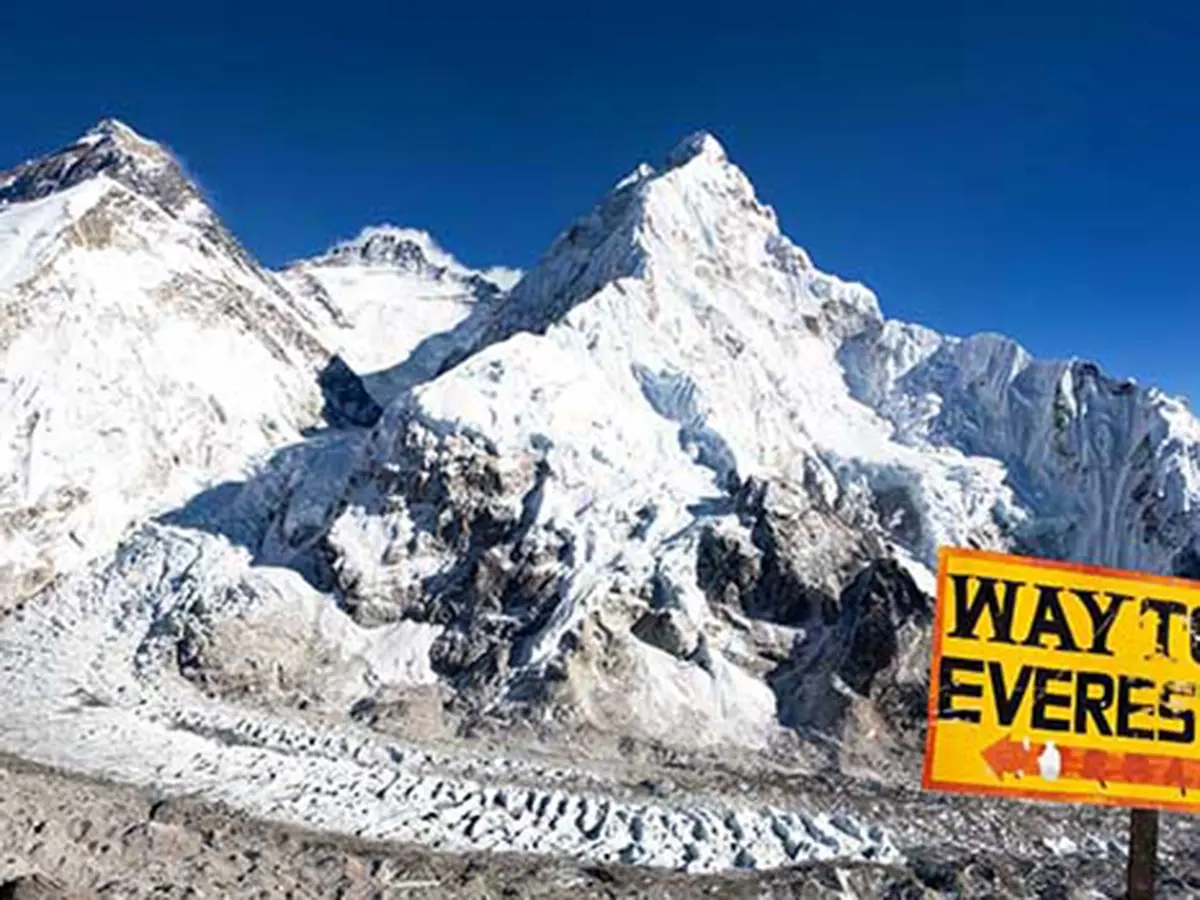
Experience the “Yellow Tent City” as you stand among expedition tents surrounded by prayer flags at the foot of the world’s tallest peak before returning to Gorak Shep for a cold night

Max Altitude: 5,364 meters
Meals: Breakfast, Lunch, and Dinner
Duration: 6-7 hours
Accommodation: Teahouse/Lodge
Day 11

Hike to Kala Patthar and descend to Lobuche

A pre-dawn start leads you to the summit of Kala Patthar. Watch the first rays of the sun bleed through the horizon over Mount Everest and Nuptse. This is a truly surreal and life-changing experience.

After spending some time on the vantage point, you descend to Gorak Shep for breakfast. You will then trek back to Lobuche.

Max Altitude: 5,550 meters
Meals: Breakfast, Lunch, and Dinner
Duration: 6-7 hours
Accommodation: Teahouse/Lodge
Day 12

Trek to Dzongla from Lobuche

Today, the trail branches away from the main EBC route toward the base of Cho La. This is a serene day with stunning views of the North Face of Cholatse.

Dzongla is a quiet outpost. It is essential to rest early tonight, as tomorrow involves a very technical glacier crossing.

Max Altitude: 4,830 meters
Meals: Breakfast, Lunch, and Dinner
Duration: 3-4 hours
Accommodation: Teahouse/Lodge
Day 13

Trek to Gokyo via Crossing Cho La Pass

Crossing the Cho La involves navigating a stable but slippery glacier. Microspikes are often helpful here. After the summit, you descend into the Gokyo Valley, reaching the first and second lakes before eventually reaching the third lake.

Enjoy the brilliant turquoise water of the lakes from Gokyo village, sitting right on the scenic shore.

Max Altitude: 4,790 meters
Meals: Breakfast, Lunch, and Dinner
Duration: 7-8 hours
Accommodation: Teahouse/Lodge
Day 14

Climb Gokyo Ri and return to Gokyo

The Gokyo Ri summit offers a 360-degree view of 8,000-meter giants. Different from Kala Patthar, you can view the entire Ngozumpa Glacier from this vantage point.

The rest of the afternoon is dedicated to exploring the fourth and fifth lakes. You can also take in the unique perspective of the North Face of Mount Everest from the Scoundrel’s View at the fifth lake.

Max Altitude: 5,357 meters
Meals: Breakfast, Lunch, and Dinner
Duration: 4-5 hours
Accommodation: Teahouse/Lodge
Day 15

Trek to Lunden via Crossing Renjo La Pass

The final pass, Renjo La, offers perhaps the most beautiful view of the entire trek. Looking back, you see Everest towering over the Gokyo Lakes. The descent into the Bhote Koshi Valley is steep but leads to the peaceful village of Lunden.

Max Altitude: 4,300 meters
Meals: Breakfast, Lunch and Dinner
Duration: 7-8 hours
Accommodation: Teahouse/Lodge
Day 16

Trek from Lunden to Thame

You will follow the ancient trade route that once linked Nepal and Tibet. The path is gentle and passes through traditional stone villages. In Thame, you can visit the Thame Monastery, perched high on the cliff, for some peace and quiet.

Max Altitude: 3,820 meters
Meals: Breakfast, Lunch, and Dinner
Duration: 4-5 hours
Accommodation: Teahouse/Lodge
Day 17

Trek from Thame back to Namche Bazaar

The trail winds back toward civilization. You will notice the air becoming richer and warmer as you descend. Re-entering Namche Bazaar, you can enjoy a hot shower and celebrate your achievement.

Max Altitude: 3,440 meters
Meals: Breakfast, Lunch, and Dinner
Duration: 4-5 hours
Accommodation: Teahouse/Lodge
Day 18

Trek from Namche Bazaar to Lukla

The final day on the trail. You will descend the Namche hill and retrace your steps to Lukla, where you will have a farewell dinner with your crew

Max Altitude: 2,860 meters
Meals: Breakfast, Lunch, and Dinner
Duration: 6-7 hours
Accommodation: Teahouse/Lodge
Day 19

Fly from Lukla back to Kathmandu

Your flight leaves early. Upon arrival in Kathmandu, you will be transferred to your hotel. You can spend your final afternoon souvenir shopping or simply resting after your 19-day Everest Three Passes Trek with Everest Base Camp and Gokyo Lakes.

Max Altitude: 1,400 meters
Meals: Breakfast
Duration: 35 min flight
Accommodation: Null
Plan Your Trip Your Way
Can't find a suitable date? No worries! Our experts will help you plan a departure date that fits your schedule and make your adventure happen at the perfect time.

Cost Details

Includes

  • 16 Nights’ accommodation in local tea houses (twin sharing basis).
  • Daily set of simple breakfast, lunch, and dinner (main course).
  • Professional trekking guide with all expenses covered.
  • Round-trip flight: Kathmandu to Lukla (or Ramechhap).
  • Road transfer between Kathmandu and Ramechhap if required.
  • Sagarmatha National Park and Local Municipality permits.
  • First Aid Kit and guide insurance.
  • Sleeping bag and down jacket for client use.
  • Complimentary T-shirt and trekking map.

Excludes

  • International flights and Visa fees.
  • Hotels and meals in Kathmandu.
  • Travel and medical insurance (must include emergency evacuation).
  • All drinks (tea, coffee, beer, bottled water).
  • Starters, soups, and desserts.
  • Electric device charging and hot shower fees.
  • Personal snacks and tipping.

Essential Information

When is the Best Time for the Everest Three High Passes Trek (with EBC and Gokyo Lakes) 2026/2027?

Spring (March to May) and Autumn (September to November) are the best times for the Everest Three Passes Trek with Everest Base Camp and Gokyo Lakes.

In Spring, you will find the lower sub-tropical regions erupt in shades of pink and red rhododendron blooms. The mornings are usually crystal clear with moderate daytime temperatures. However, the recent forecast shows increasing chances of rainfall even during these months. Plan your trek according to the weather conditions to ensure a safe and successful Everest Three Passes Trek.

Autumn is widely considered the peak trekking season in the Khumbu region. The trails turn into a photographer’s paradise as the weather is exceptionally stable, and the views are crystal clear throughout the day. The post-monsoon season ensures you get 360-degree views of the three passes and mirror-like turquoise waters of the Gokyo Lakes against the white peaks.

We recommend winter (December to February) only to seasoned trekkers. The heavy snow accumulation makes the Kongma La and Cho La passes impassable without technical gear.

How Difficult is the Three High Passes Trek in Nepal? Who can go on this Trek?

The Everest Three High Passes Trek is classified as a strenuous journey. This trek is suitable for experienced trekkers with good physical fitness and high morale. Preparing adequately is crucial for a successful and memorable journey.

The Everest Three High Passes Trek is especially suitable for:

  • Active travelers with exceptional cardiovascular fitness who are comfortable hiking between six and nine hours daily over steep, rugged, and often icy terrain.
  • Seasoned mountain enthusiasts who possess strong mental resilience and the patience to follow a "slow and steady" pace.
  • Adventure seekers with good health and no major respiratory issues, with a few months of pre-trip training, like hill walking or stair climbing, to build endurance.

Preparations for the Everest Three High Passes Trek with Everest Base Camp and Gokyo Lakes 2026/2027: Gear and Equipment Checklist

Conquering three high-altitude passes and the iconic Everest Base Camp and Gokyo requires proper gear and equipment. This curated 2026/2027 checklist covers every essential item needed to keep you safe while you navigate the rugged Khumbu terrain.

Head

  • Trekking Hat/Cap
  • Headlamp/Flashlight (with extra batteries), good quality
  • Sunglasses (UV protection)
  • Woolen hat /Beanie (for cold weather)
  • Bandana/Buff (for dust and sun protection)
  • Sunblock (Sunscreen) (SPF 40 or higher)
  • Insect Repellent (for lower trekking areas)

Body

  • Base Layer Shirt: Two (moisture-wicking, breathable fabric)
  • Trekking Jacket: A pair of lightweight (water-resistant/windproof)
  • Insulating Layer: A pair (fleece, down jacket, or sweater for warmth)
  • Rain Jacket/poncho (lightweight, waterproof)
  • Trekking Trousers/Pants: Two pairs (comfortable and durable)
  • Long-sleeve shirt: 1 pair (for sun or insect protection)
  • Underwear: Two pairs (moisture-wicking, quick-dry fabric)
  • Compression Garments (for reducing muscle fatigue, optional)
  • Gore-Tex or a similar waterproof jacket

Lower Body

  • Trekking Pants: Two pairs (convertible into shorts if needed)
  • Thermal Leggings: one (for cold weather)
  • Shorts: Two (optional, for warmer weather)
  • Knee Guards/Support (for those who need extra knee protection)
  • Hands: Protect your hands with warm gloves
  • Light inner gloves (for lower-elevation trekking)
  • Insulated or down gloves (high-altitude trekking)
  • Waterproof gloves (wet season)

Footwear

  • Trekking Boots/Shoes (comfortable, waterproof, with good grip and ankle support)
  • Gaiters (to protect from mud, snow, or rocks entering boots)
  • Thick Socks: Two pairs (merino wool or synthetic, moisture-wicking)
  • Lightweight Socks: Two pairs (for warmer weather or layering)
  • Sandals/Flip-flops (for campsite/rest stops)

Extra Suggested Items

  • Sleeping bag
  • Drying towel
  • Trekking Poles
  • Cash (extra Nepali rupees for additional expenses)
  • Backpack + 60 L. (Rucksack) (with rain cover and hydration system)
  • Hydration System/Water Bottles/Camelback
  • Water Purification Tablets/Filter
  • Snacks (Energy Bars, Dried Fruits, Nuts
  • First Aid Kit (with basics like bandages and antiseptic, as per personal need)
  • Portable Power Bank (to charge devices)
  • Camera or Smartphone (to capture the views)
  • Toiletries (toothbrush, toothpaste, biodegradable soap, shampoo, etc.) Feminine hygiene products as needed
  • Wet wipes
  • Emergency Whistle
  • Dry bags
  • Clothing Layer
  • Hand sanitizer
Speak to an Expert
Sudarsan Naupane
Sudarsan Naupane