Manaslu Base Camp Trek with Larkya Pass

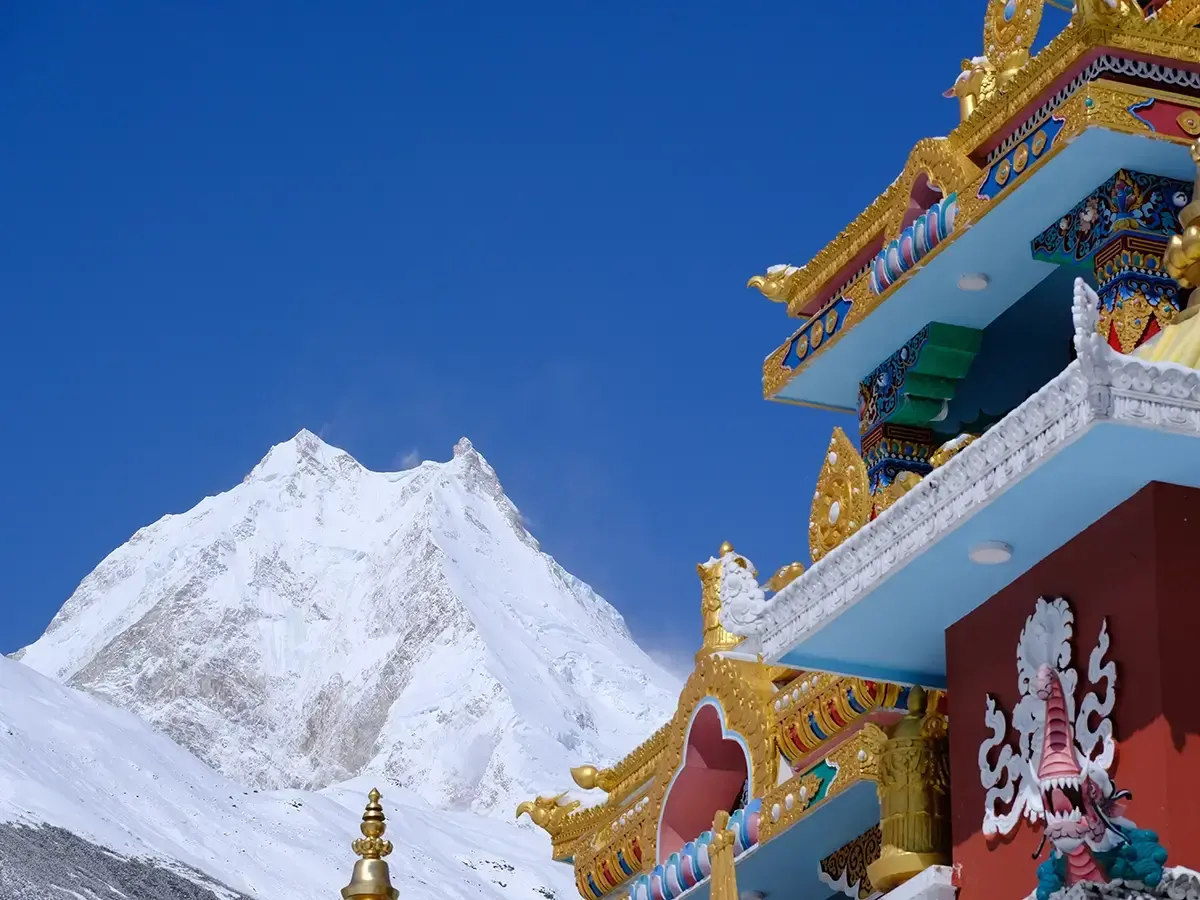
The Manaslu Base Camp Trek with Larkya Pass is the ultimate teahouse alternative to the Annapurna Circuit. Following the ancient salt-trading route along the Budhi Gandaki River, this journey takes you through restricted landscapes that were closed to foreigners until 1991. You will stand at the foot of the world’s eighth-highest peak and traverse the high-altitude Larkya La Pass, offering a raw, authentic, and culturally immersive Himalayan experience.

Duration
14 Days
Trip Grade
Strenuous
Maximum Altitude
5,106 meters
Starts
Kathmandu
Ends
Kathmandu
Group Size
Minimum 2 Pax (Restricted Area Requirement) up to 12 Pax
Activities
Trekking
Best Time
Spring (March to May) and Autumn (September to November)

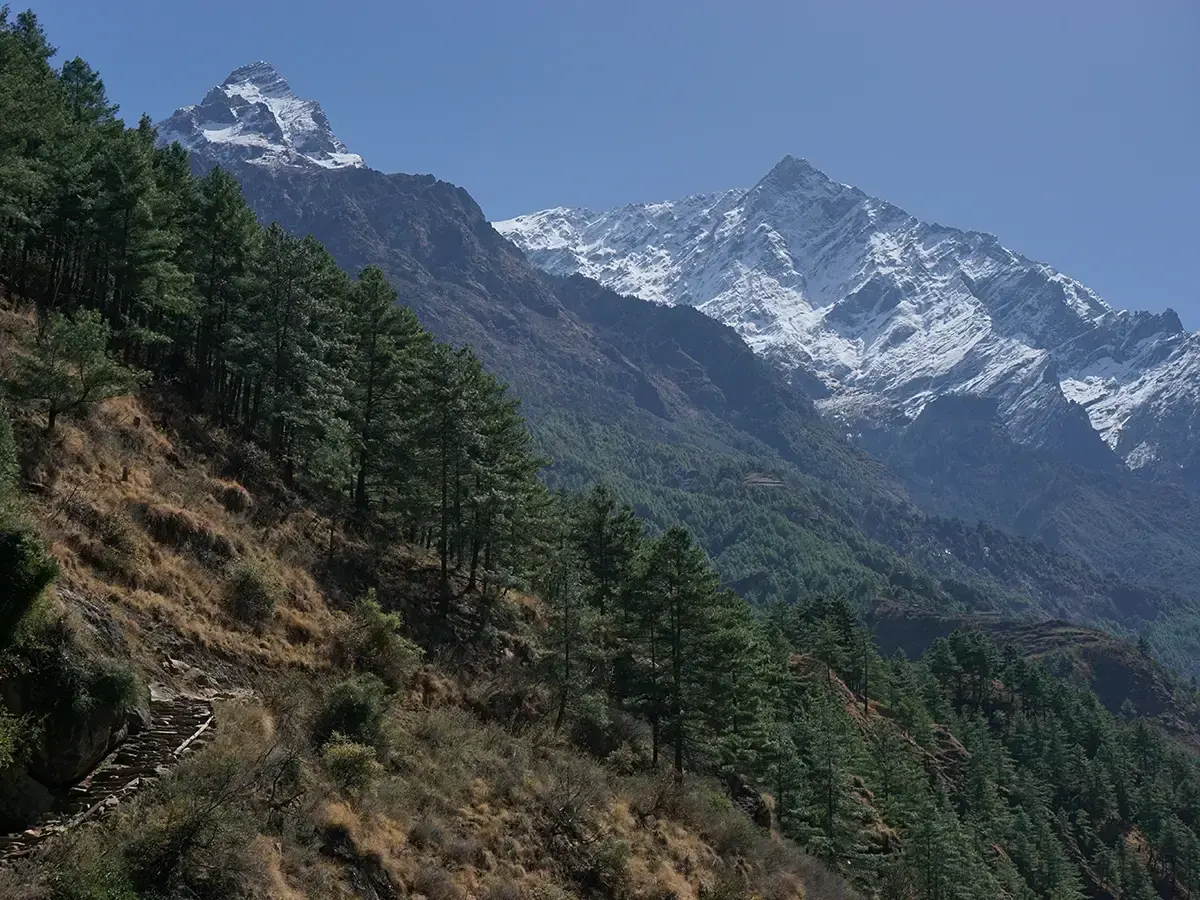
There is a specific silence in the Gorkha highlands that the crowded EBC trails lost years ago. On our 14-day Manaslu Base Camp Trek with Larkya Pass, you’re not just hiking but navigating the serene trails that once served as the ancient salt-trading corridor through the “Mountain of the Spirit.”

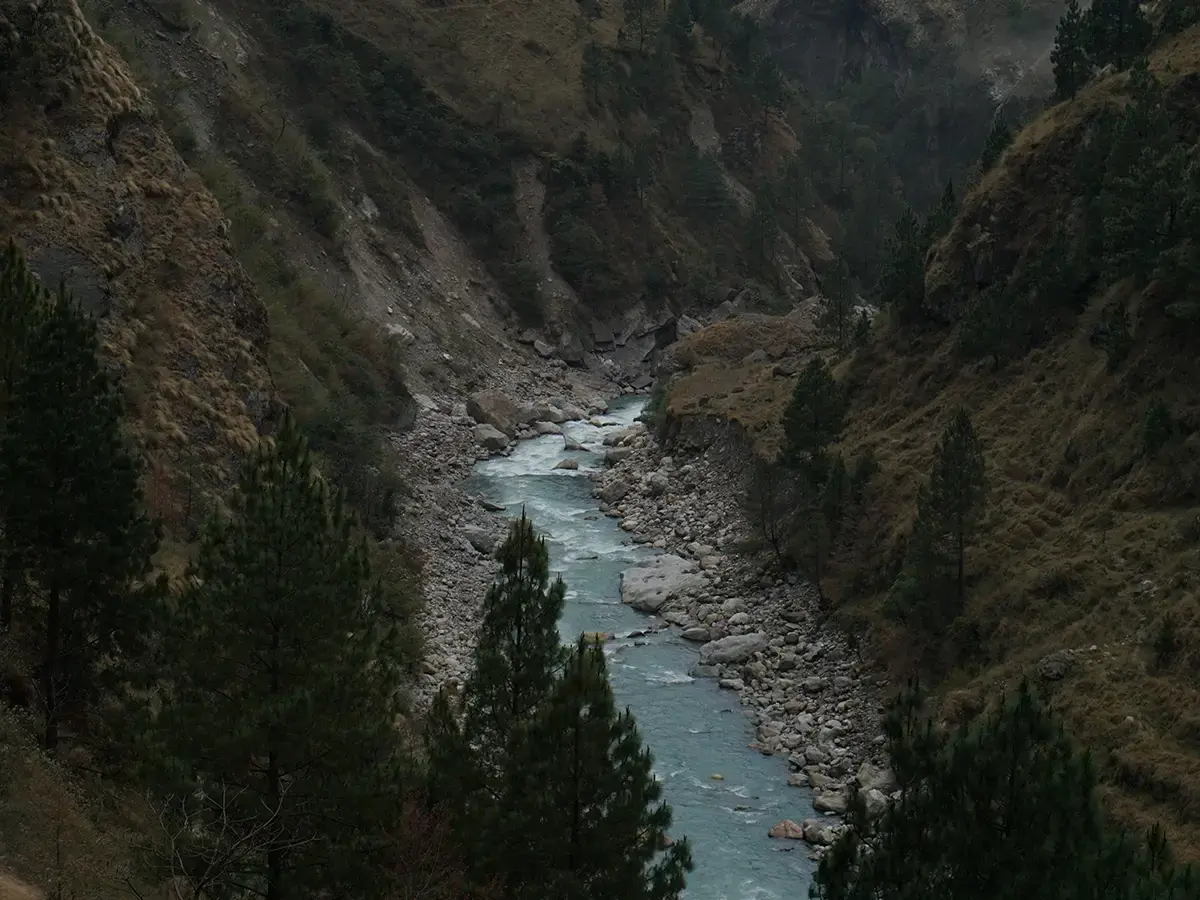
Your adventure starts with a winding drive into the Gorkha district. As you transition from subtropical lowlands to the stark, high-altitude glaciers, prepare for the physical toll of the Manaslu ascent. This is a humid push through the lower tropical gorge before the air finally cools at Jagat. Continue your journey navigating the Budhi Gandaki gorge, hugging cliffside trails and cantilever bridges bolted directly into vertical rocks.

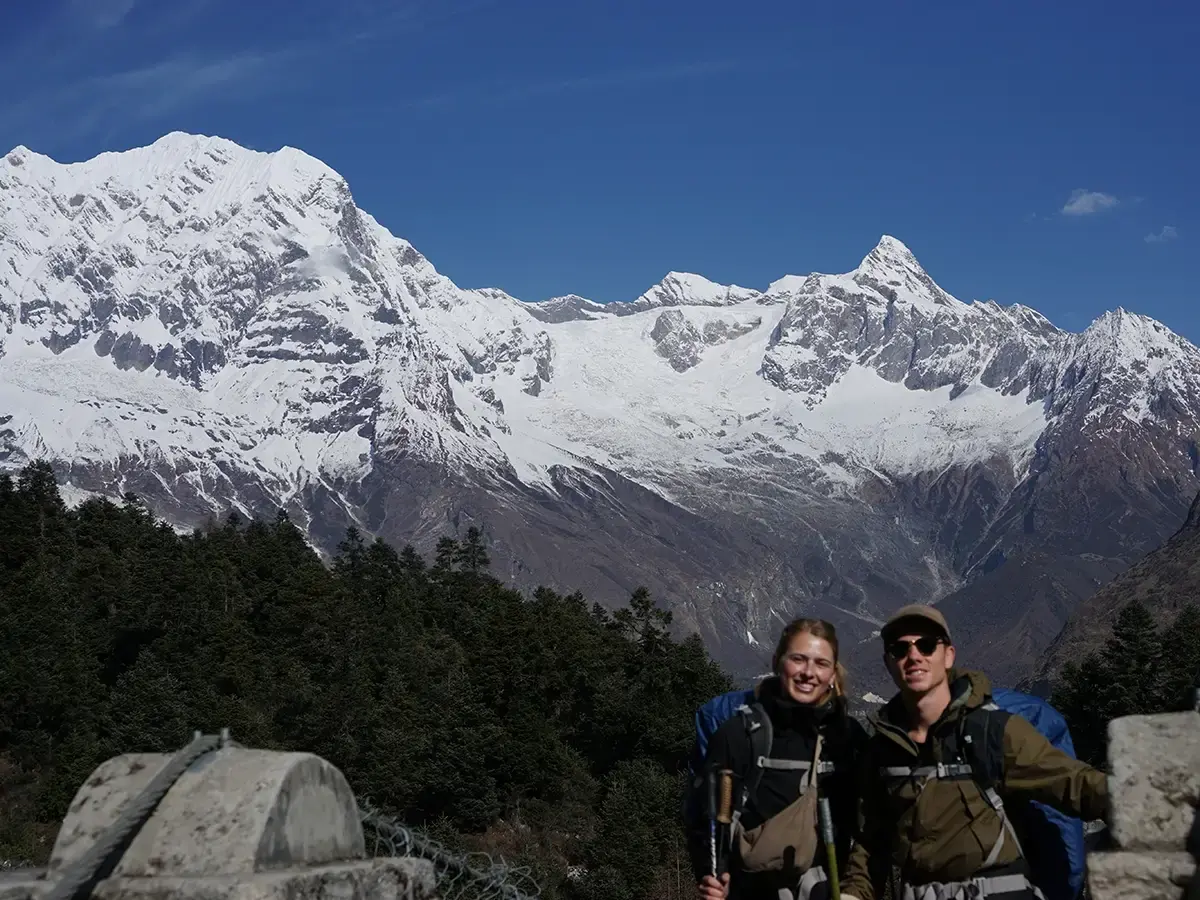
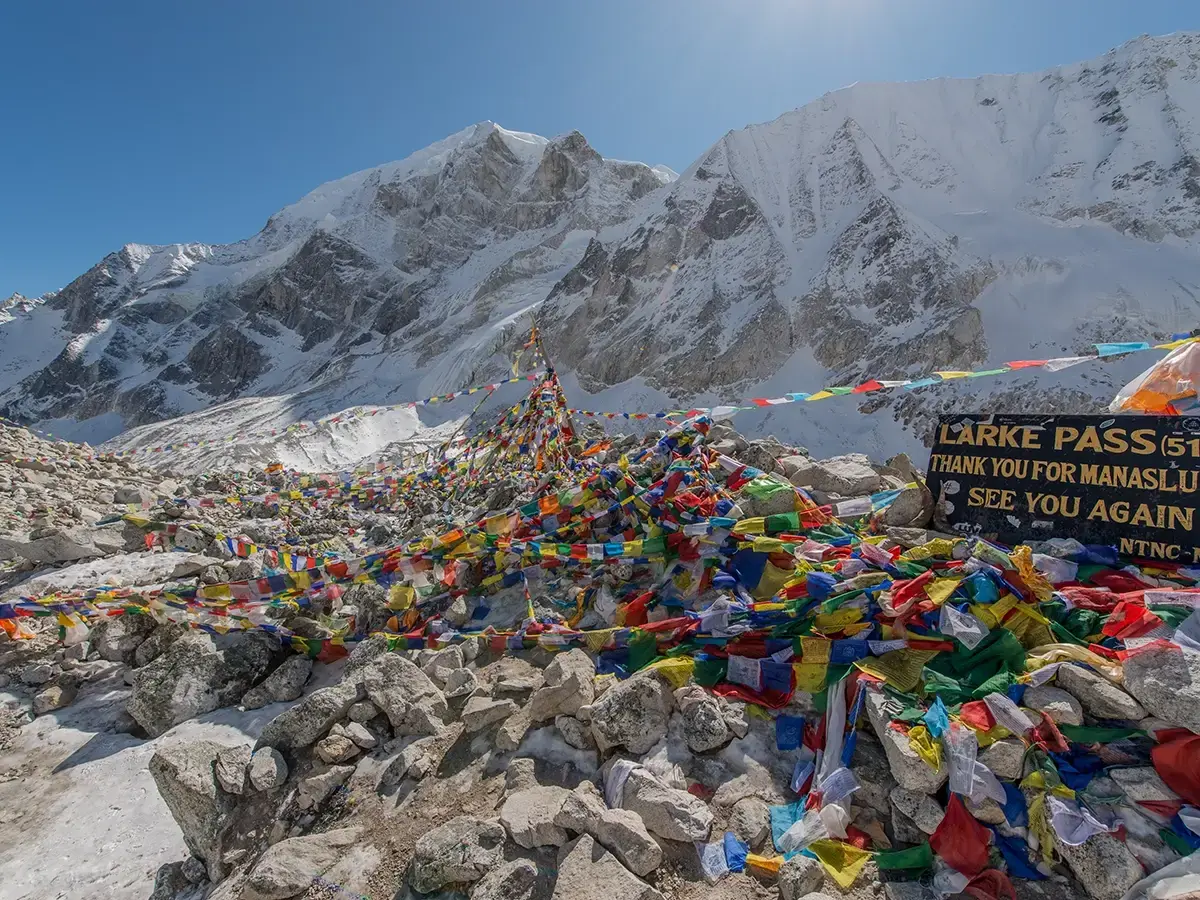
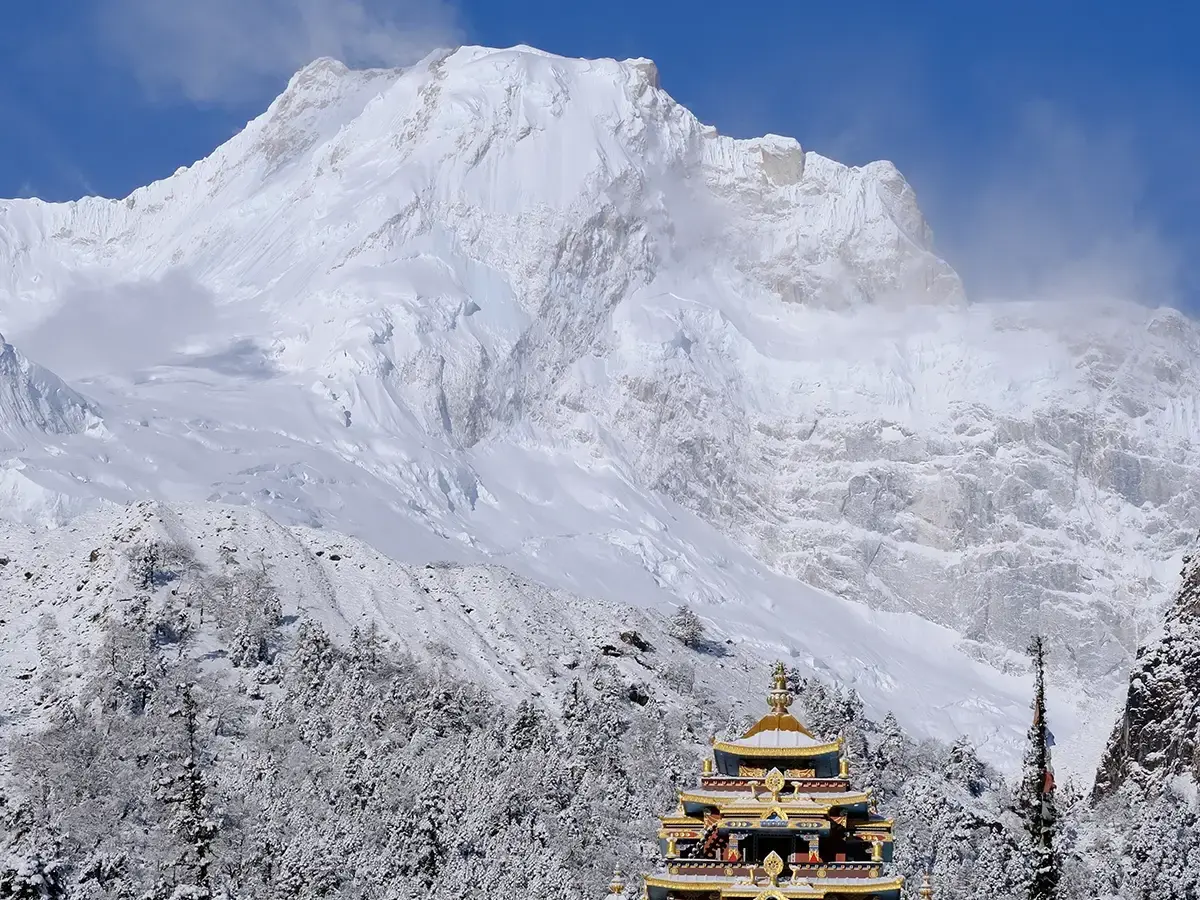
After reaching Manaslu Base Camp (4,800m), you don’t just see the peak but hear the white thunder of ice calving off the glacier and echoing through the valley. The ultimate test is the 5,106-meter Larkya La. It’s a cold, pre-dawn hike against the notorious Larkya wind. But standing amid prayer flags with views of Himlung Himal makes every step worthwhile.

2026/2027 slots are filling up fast. Book your adventure today!

Why Go on the Manaslu Base Camp Trek in Nepal?

Many people think the Everest Base Camp Trek is the pinnacle of Nepal, but in my experience, Manaslu’s raw, un-commercialized silence wins every time. Our 14-day trek offers a blend of physical challenge and Tibetan spirituality that is increasingly rare in the modern Himalayas.

The Restricted Sanctuary: Trekking the Manaslu Circuit requires government authorized special Restricted Area Permit (RAP). For your safety and to ensure the region’s integrity, you are required to be accompanied by a mandatory licensed guide. You aren't just a tourist here but a guest in a sensitive border region. When I lead groups through, I live among the local Nubri people, who still live by the seasons and yak caravans.

The Descent Perspective: Most people talk about the climb to Larkya La, but the descent into Bhimthang is the secret highlight. You drop nearly 1,500 meters through a graveyard of ancient glaciers and moraines before hitting the most beautiful pine forests in Nepal. Let me tell you, your knees feel the wrath of the steep descent, but the view is the best in the entire Mansiri Himal range.

The Thunder of Manaslu: While visiting the actual Base Camp (4,800 meters) is optional, we highly recommend this detour. Standing there, you don't just see the mountain, but you hear the echoes of it. The sound of shifting ice and white thunder (small avalanches) on the upper slopes provides a humbling sense of the mountain’s raw power.

Authentic Teahouse Culture: Experience the lifestyle of the locals of Samdo and Sama Gaon. Here, the teahouses are often extensions of family homes. More than a guest, you are treated as family and invited to sit around the bulo (central stove) fueled by dried yak dung, sipping salty butter tea.

What a Day on the Trail Actually Looks Like: Manaslu Circuit and Larkya Pass (2026/2027)

The smell of saang (juniper incense) at the local gompa serves as your wake-up call. For breakfast, you are served local staples, such as Gurung bread and honey. By 8:00 AM, you will hit the trails. The first few days require steady steps over rocky stairs and suspension bridges.

Lunch is served in a local teahouse. This is a social affair in a sun-drenched courtyard where dal-bhat power refuels you to take on the afternoon ridges. Aim to arrive at your destination by 3:30 PM, as evenings can be brutally cold.

Upon arrival at your teahouse, your guides will check your oxygen saturation levels and encourage active recovery. This is a short walk to a local monastery or chorten.

As the sun dips, the temperature drops. This is the time to huddle around the yak-dung-fueled stove in the communal dining area. Your evening ends with a warm bowl of Sherpa Stew as your guides bring out the trail maps and trace tomorrow's climb route.

Manaslu Base Camp Trek with Larkya La Pass: Cost for Logistics, Transport, and Permits

The Manaslu Base Camp Trek with Larkya La Pass demands higher logistical precision than other treks. Remember, you’re traveling into the bewilderment of the vast Himalayas. For a hassle-free and safer experience, we manage all required logistics, including the mandatory Restricted Area Permit (RAP), and the Manaslu and Annapurna Conservation Area Permits (MCAP and ACAP).

The package includes transportation services, a mix of local bus and 4WD, high-quality sleeping bags, and teahouse accommodations.

Manaslu Base Camp Trek Highlights 2026/2027

  • Cross the Larkya La Pass (5,106 meters), navigating the icy moraines between the Budhi Gandaki and Marsyangdi valleys.
  • Stand at the Manaslu Base Camp (4,800 meters) and witness the staggering ice-falls of the world's 8th-highest peak.
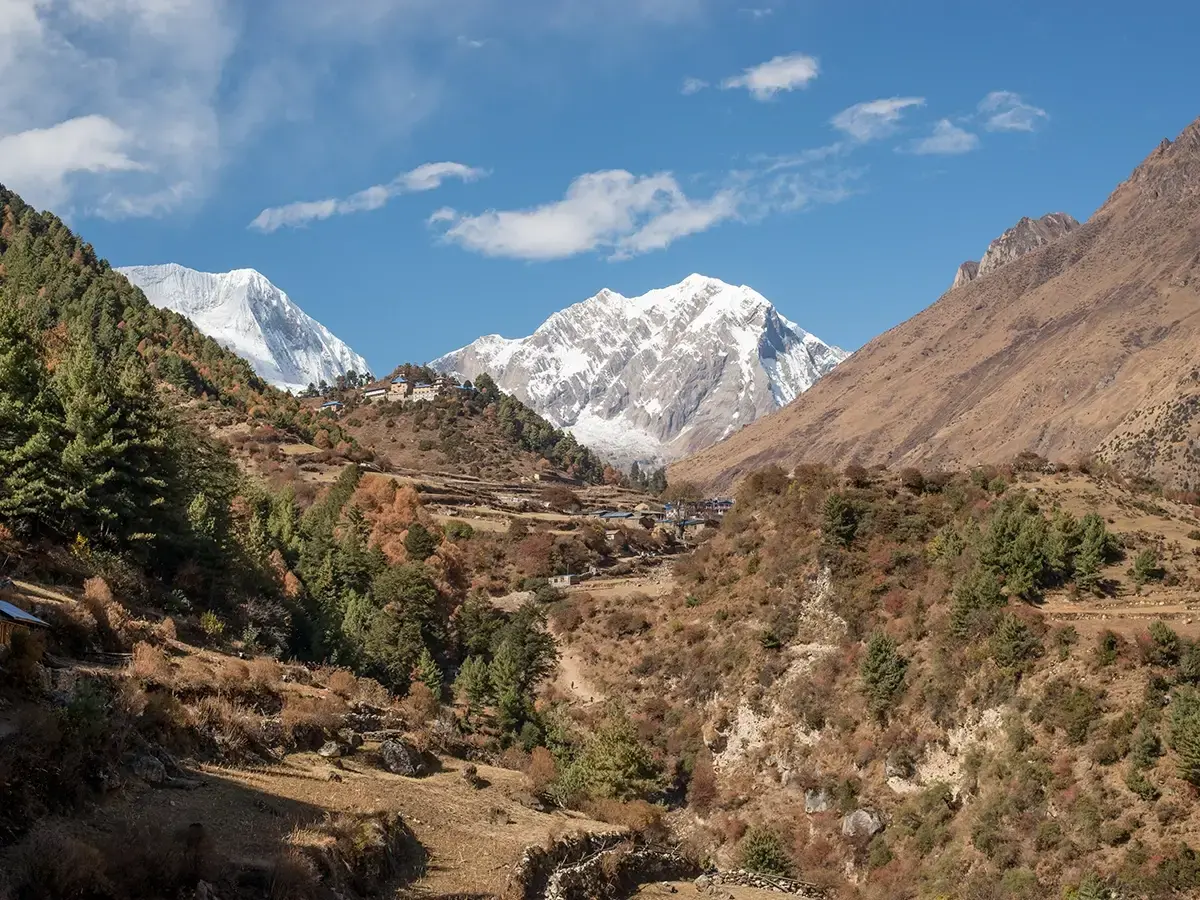
  • Traverse the "Restricted" Nupri Valley, where Tibetan culture remains untouched by modern roads.
  • Explore the sprawling Pungyen Gompa, an ancient monastery tucked under the massif of Manaslu.
  • Experience the dramatic transition from subtropical jungles (900 meters) to Arctic-like pass conditions (5,000 meters+).
  • Walk the "Cliffside Trails" and cantilever bridges of the Budhi Gandaki gorge.
  • Stay in Samdo, the highest village in the valley and a hub for ancient salt-trading caravans.

Customized Manaslu Base Camp Trek in Nepal

The Manaslu Base Camp trek is a rugged journey, and we understand one size doesn’t fit all. Depending on your preferences, you can add side tours to the hidden Tsum Valley or take an exclusive private jeep return from Dharapani. With our fully customizable Manaslu Base Camp and Larkya La Pass Trek, you can adjust your acclimatization pace, upgrade your gear, or add additional sightseeing days to ensure your Himalayan experience is as comfortable as it is adventurous.
Manaslu Base Camp Trek with Larkya Pass Itinerary

Day 1

Arrival in Kathmandu and Transfer to Hotel

Your trek begins upon landing in Nepal’s Tribhuvan International Airport. You will meet our representative, who will assist you with your transfer to your hotel. In the evening, you can explore the vibrant tourist hub of Thamel.

Max Altitude: 1,400 meters
Meals: Null
Duration: 1 hour transfer
Accommodation: Null
Day 2

Meeting with Guide and Last Minute Preparation

Today is about the paperwork. We will collect your original passport to secure the Manaslu Restricted Area Permit. You’ll meet your lead guide for a gear check. This is also your final opportunity to make last-minute purchases for snacks and trekking gear.

Max Altitude: 1,400 meters
Meals: Breakfast
Duration: Full day
Accommodation: Not Included
Day 3

Drive from Kathmandu to Machha Khola via Arughat

Ensure you have had sufficient rest, as you will drive through the bumpy road to your destination. Your drive takes you through the foothills and terraced farms. After crossing Arughat, the road gets narrower before reaching the bustling trailhead village of Machha Khola.

Max Altitude: 900 meters
Meals: Breakfast, Lunch, and Dinner
Duration: 8–10 hours drive
Accommodation: Teahouse/Lodge
Day 4

Trek from Machha Khola to Jagat

Today is your first day of trekking. You will follow the Budhi Gandaki River and pass through the hot water springs of Tatopani. Before reaching your overnight destination of Jagat, you will face the strenuous climb over a well-paved stone staircase. In Jagat, you will submit your Restricted Area Permit (RAP) at the police checkpost.

Max Altitude: 1,340 meters
Meals: Breakfast, Lunch, and Dinner
Duration: 6–7 hours
Accommodation: Teahouse/Lodge
Day 5

Trek from Jagat to Deng

From Jagat, your journey passes through a long suspension bridge to Philim. Continue your hike along the trail that enters a deep, narrow gorge. From here, you will pass through bamboo forests and cross the river several times before reaching the tiny settlement of Deng.

Max Altitude: 1,860 meters
Meals: Breakfast, Lunch, and Dinner
Duration: 6–7 hours
Accommodation: Teahouse/Lodge
Day 6

Trek from Deng to Namrung

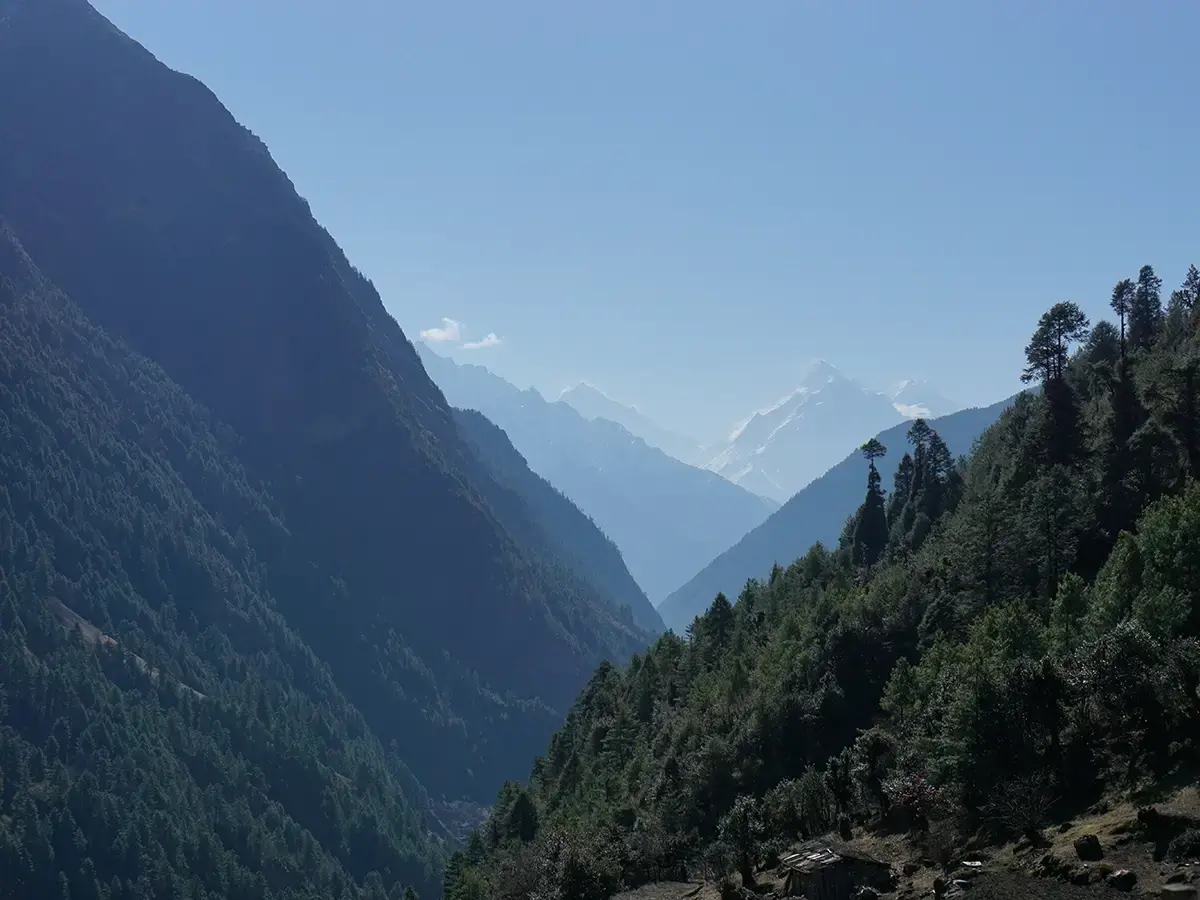
Today, you will reach a significant elevation. The journey takes you through rhododendron and fir forests before reaching Namrung, the gateway to Upper Nupri. Namrung offers a distinct Tibetan feel. On a clear evening, you will find breathtaking views of Manaslu and Ganesh Himal from your teahouse.

Max Altitude: 2,630 meters
Meals: Breakfast, Lunch, and Dinner
Duration: 6–7 hours
Accommodation: Teahouse/Lodge
Day 7

Trek from Namrung to Sama Gaon

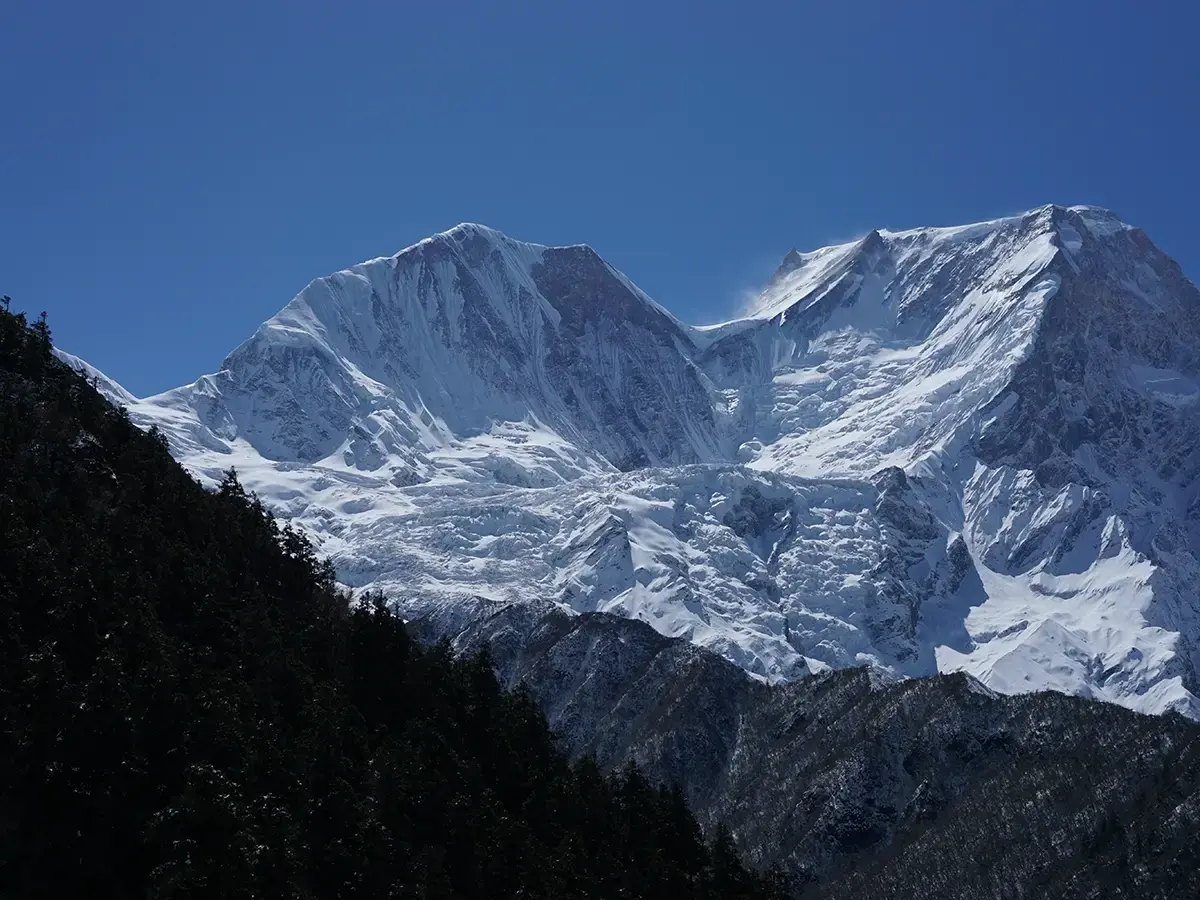
As you leave Namrung behind, you trail toward the wide, glacial valley. You will pass through Lho, famous for its massive monastery. From Lho, you can also relish the double peak of Mount Manaslu.

The trek continues toward the high altitude village of Sama Gaon. As you reach Sama Goan, you will notice the air becoming noticeably thinner.

Max Altitude: 3,530 meters
Meals: Breakfast, Lunch, and Dinner
Duration: 7–8 hours
Accommodation: Teahouse/Lodge
Day 8

Acclimatization Day at Sama Gaon and Manaslu Base Camp

Today is dedicated to acclimatization. This allows your body to adapt to the increasing altitude. As a part of this process, you will hike to the higher altitude region, toward the Manaslu Base Camp. You will see the high-altitude camp used by expedition teams and take a short detour to the Birendra Tal before returning to your teahouse.

Max Altitude: 3,530 meters
Meals: Breakfast, Lunch, and Dinner
Duration: 6–7 hours round trip
Accommodation: Teahouse/Lodge
Day 9

Trek from Sama Gaon to Samdo

From Sama Gaon, you will take on a short trek to Samdo, the last permanent settlement before the Larkya La Pass. Samdo is a Tibetan refugee village, and you can often see yak caravans heading toward the "Lajyung La" border pass for trade.

Max Altitude: 3,860 meters
Meals: Breakfast, Lunch, and Dinner
Duration: 4–5 hours
Accommodation: Teahouse/Lodge
Day 10

Additional Day Acclimatization in Samdo

We don’t want to rush into the higher altitude just yet. Today, you will stop in Samdo to allow your lungs to rest. This extra day in Samdo also ensures you enjoy the pass, rather than struggle through it.

Here, you can hike to a nearby ridge for views of the trade route to Tibet.

Max Altitude: 3,860 meters
Meals: Breakfast, Lunch, and Dinner
Duration: 4–5 hours hike
Accommodation: Teahouse/Lodge
Day 11

Trek from Samdo to Larkya La Phedi (Dharamsala)

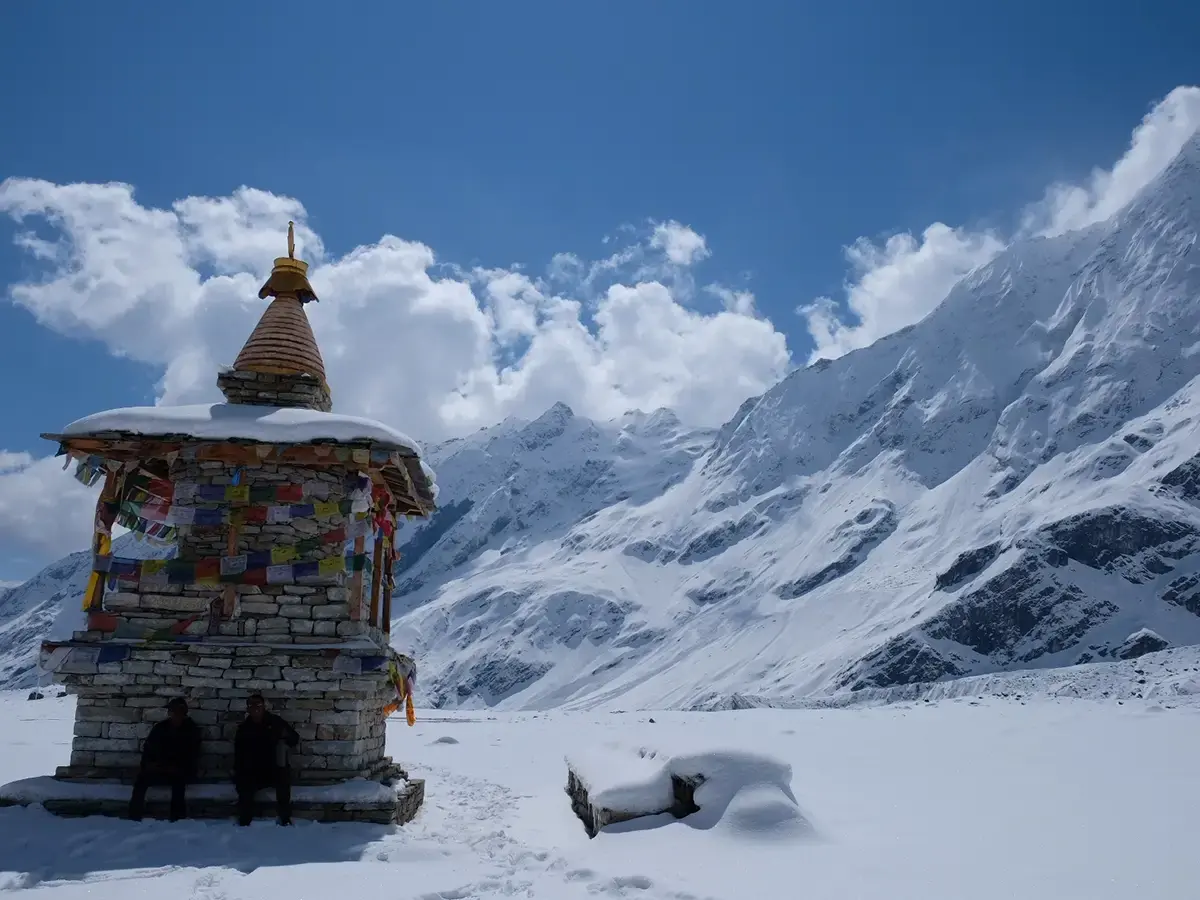
As you leave Samdo, you will trek to Larkya Phedi, also called Dharmashala. The trek is steady and takes you to a high-altitude desert of rock and ice. The teahouse/lodge here is basic, but the anticipation of crossing the pass the next day makes the experience unique.

Today, ensure you are well-rested, as you will take on the strenuous trek above the 5,000-meter altitude.

Max Altitude: 4,460 meters
Meals: Breakfast, Lunch, and Dinner
Duration: 4–5 hours
Accommodation: Teahouse/Lodge
Day 12

Trek to Bhimthang via Larkya La Pass (5,106 m)

Your day begins at 3:00 AM with a hot sip of tea. After you’re all prepared, you will begin the slow trek toward the summit of Larkya La Pass. Upon reaching the summit, you can embrace the silence of the Himalayas amid the fluttering prayer flags before observing the sunrise over the Larkya glacier.

Next, you will begin a careful descent to Bhimtang along the rugged and rocky trails.

Max Altitude: 5,106m (Pass)
Meals: Breakfast, Lunch, and Dinner
Duration: 8–10 hours
Accommodation: Teahouse/Lodge
Day 13

Trek from Bhimthang to Dharapani

Your descent to Dharapani from Bhimtang takes you through some of the most beautiful forests in the Himalayas. As the altitude drops, your energy returns. You will eventually hit the Marsyangdi River and join the Annapurna Circuit road at Dharapani. Enjoy a hot shower at your teahouse/lodge.

Max Altitude: 1,960 meters
Meals: Breakfast, Lunch, and Dinner
Duration: 7–8 hours
Accommodation: Teahouse/Lodge
Day 14

Drive from Dharapani to Kathmandu via Besi Sahar

Your final day involves a long drive back to Kathmandu. The road from Dharapani to Besi Sahar is an adventure in itself. Once back in the city, our representatives will transfer you to your hotel for some well-deserved rest and a final farewell.

Max Altitude: 1,400 meters
Meals: Breakfast and Lunch
Duration: 10–12 hours drive
Accommodation: Null
Plan Your Trip Your Way
Can't find a suitable date? No worries! Our experts will help you plan a departure date that fits your schedule and make your adventure happen at the perfect time.

Cost Details

Includes

  • 11 Nights’ Accommodation (shared bath/Toilet) on a twin-sharing basis in Local Tea Houses or Trekker’s Lodges.
  • Daily Set of Simple Breakfast, Lunch, and Dinner (Main Course).
  • A professional, government-licensed Trekking Guide.
  • Public Bus Transport from Kathmandu to the trailhead at Machha Khola.
  • Public Transport from Dharapani to Besisahar and Besisahar to Kathmandu or Pokhara.
  • Manaslu Conservation Area Permit (MCAP) and Annapurna Conservation Area Permit (ACAP).
  • Manaslu Restricted Area (Controlled) Trekking Permit.
  • Guide’s daily allowance, food, insurance, and trekking equipment.
  • Comprehensive First Aid Kit carried by the guide.
  • High-quality Sleeping Bag and Down Jacket for use during the trek (returnable).
  • Complementary: Official Trekking T-Shirt and Manaslu region trekking map.

Excludes

  • Travel and Medical insurance (including mandatory emergency evacuation coverage).
  • Private Transfer to Machha Khola and from Dharapani (available upon request for an extra fee).
  • All Drinks (Tea, Coffee, Cola, Beer, and boiled or Bottled drinking water).
  • Starters, soup, and dessert (Lunch and dinner include the main course).
  • Electric device recharge fees and Hot Shower/Hot Bucket fees (especially above 4,000 m elevation).
  • International flights and Nepal Entry Visa fees.
  • Tipping for the guide and staff.
  • Snacks and additional meals.
  • Hotel accommodation and meals in Kathmandu.

Essential Information

When is the Best Time for the Manaslu Base Camp Trek with Larkya Pass in Nepal?

The best time for trekking to Manaslu Base Camp with Larkya Pass is in autumn (October to November) and spring (March to May). But, like the rest of the Himalayas, the weather pattern in the Budhi Gandaki Valley too is shifting. Monsoons stay late, up to end of September, making narrow, cliff-side trails slippery and prone to rockfall. You should prepare for potential trail diversions before your reach the higher, more stable Nubri valley.

In the Manaslu region, global warming has reduced the window for dry crossing of Larkya La Pass. Late October to November remains the premier windsor for deep blue skies and crisp views of the double-peaked Manaslu. If you’re trekking in spring, you will traverse the dense rhododendron forests of the lower region. But, crossing before mid-April results in heavy, deep snow in higher regions.

How Difficult is the Nepal Manaslu Base Camp Trek with Larkya La Pass? Who is this Trek Suitable For?

The Manaslu Base Camp trek is a strenuous journey. This journey, coupled with the Larkya La Pass is often considered a step up in difficulty from the Everest Base Camp trek. Though not technical, the length and the long duration walk over high altitude regions, including the 5,106-meter Larkya La Pass and constant ups and downs demand significant physical and mental endurance.

This journey is suitable for:

  • Active individuals who possess a wilderness mindset and strong mental resilience.
  • Seasoned trekkers looking to escape the crowds.
  • Fit beginners who have trained specifically for multi-day mountain hiking.

Manaslu Base Camp and Larkya La Pass Trek: Necessary Gear and Equipment Checklist 2026/2027

The Manaslu Base Camp and Larkya La Pass Trek is a remote and challenging journey through restricted areas that requires proper gear for varying climates. On this 14-day journey, you will travese sub-tropical forests to frigid high-altitude conditions.

Here is a complete list of necessary gear and equipment:

Head

  • Trekking Hat/Cap
  • Headlamp/Flashlight (with extra batteries), good quality
  • Sunglasses (UV protection)
  • Woolen hat /Beanie (for cold weather)
  • Bandana/Buff (for dust and sun protection)
  • Sunblock (Sunscreen) (SPF 40 or higher)
  • Insect Repellent (essential for lower Budi Gandaki trekking areas)

Body

  • Base Layer Shirt: Two (moisture-wicking, breathable fabric)
  • Trekking Jacket: A pair of lightweight (water-resistant/windproof)
  • Insulating Layer: A pair (fleece, down jacket, or sweater for warmth)
  • Rain Jacket/poncho (lightweight, waterproof)
  • Trekking Trousers/Pants: Two pairs (comfortable and durable)
  • Long-sleeve shirt: 1 pair (for sun or insect protection)
  • Underwear: Two pairs (moisture-wicking, quick-dry fabric)
  • Compression Garments (for reducing muscle fatigue, optional)
  • Gore-Tex or a similar waterproof jacket

Lower Body

  • Trekking Pants: Two pairs (convertible into shorts if needed for lower elevations)
  • Thermal Leggings: one (essential for the Larkya La crossing)
  • Shorts: Two (optional, for warmer weather in the lower valley)
  • Knee Guards/Support (highly recommended for the steep 1,500m descent into Bhimthang)
  • Hands: Protect your hands with warm gloves
  • Light inner gloves (for lower-elevation trekking)
  • Insulated or down gloves (for high-altitude trekking/Larkya La)
  • Waterproof gloves (crucial for wind and snow on the pass)

Footwear

  • Trekking Boots/Shoes (comfortable, waterproof, with good grip and ankle support for rocky moraines)
  • Gaiters (to protect from mud in lower regions or snow on the pass)
  • Thick Socks: Two pairs (merino wool or synthetic, moisture-wicking)
  • Lightweight Socks: Two pairs (for warmer weather or layering)
  • Sandals/Flip-flops (for teahouse/rest stops)

Extra Suggested Items

  • Sleeping bag (rated to -15°C or lower for high-altitude nights)
  • Drying towel
  • Trekking Poles (essential for the steep descent from the pass)
  • Cash (extra Nepali rupees, as ATMs are non-existent once the trek begins)
  • Backpack + 60 L. (Rucksack) (with rain cover and hydration system)
  • Hydration System/Water Bottles/Camelback
  • Water Purification Tablets/Filter (essential for remote teahouse stays)
  • Snacks (Energy Bars, Dried Fruits, Nuts)
  • First Aid Kit (with basics like bandages and antiseptics, as per personal need)
  • Portable Power Bank (to charge devices, solar is a plus)
  • Camera or Smartphone (to capture the views)
  • Toiletries (toothbrush, toothpaste, biodegradable soap, shampoo, etc.)
  • Feminine hygiene products as needed
  • Wet wipes
  • Emergency Whistle
  • Dry bags (to keep clothing dry during river crossings or rain)
  • Clothing Layer
  • Hand sanitizer
Speak to an Expert
Sudarsan Naupane
Sudarsan Naupane