Langtang Valley Trek and Naya Kanga Peak Climbing

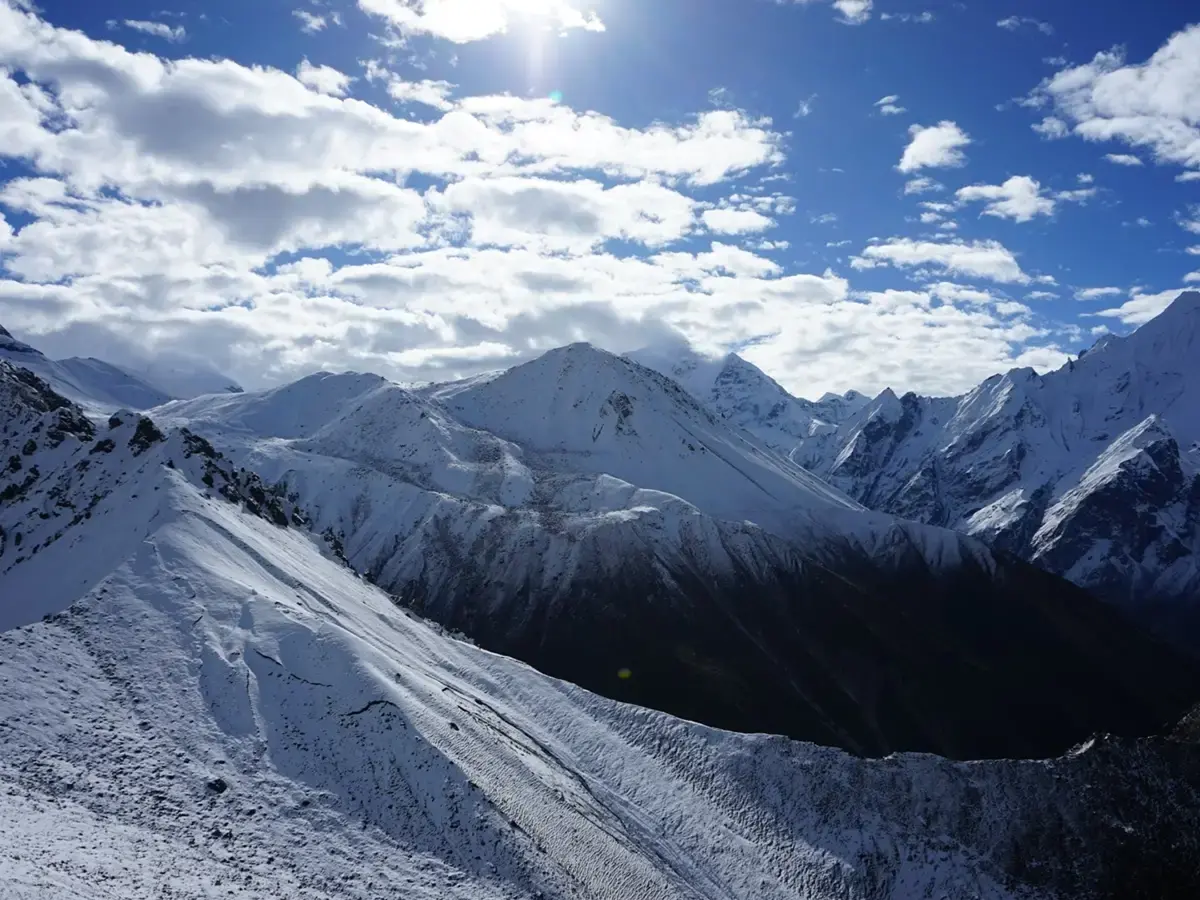
The Langtang Valley Trek and Naya Kanga Peak Climbing (5,844m) is an expedition designed for those who seek more than just a walk in the woods. This journey combines the resilient beauty of the Langtang Valley with a technical alpine ascent of Naya Kanga (also known as Ganja La Chuli).

Beyond the summit, the itinerary challenges adventurers with a crossing of the high Ganja La Pass, offering a complete loop through some of the most dramatic landscapes near Kathmandu.

Duration
15 Days
Trip Grade
Strenuous / Technical
Maximum Altitude
5,844 meters
Starts
Kathmandu
Ends
Kathmandu
Group Size
Up to 10 Pax (Standard)
Best Time
Spring (March to May) and Autumn (September to November)

Experience the raw and untouched energy of the Himalayas on the 15-day Langtang and Naya Kanga Peak. Away from the bustling trails, you feel the serenity of nature as you traverse deeper into the Naya Kanga Peak (5,844 meters), a true mountaineer’s introduction to the central Himalayas.

The 15-day trek begins with a winding highway journey to Syabrubesi. You move through lush rhododendron forests and across the Tamang heritage villages. Feel the scent of incense and woodsmoke lingering in the air as you make your way through these hospitable communities.

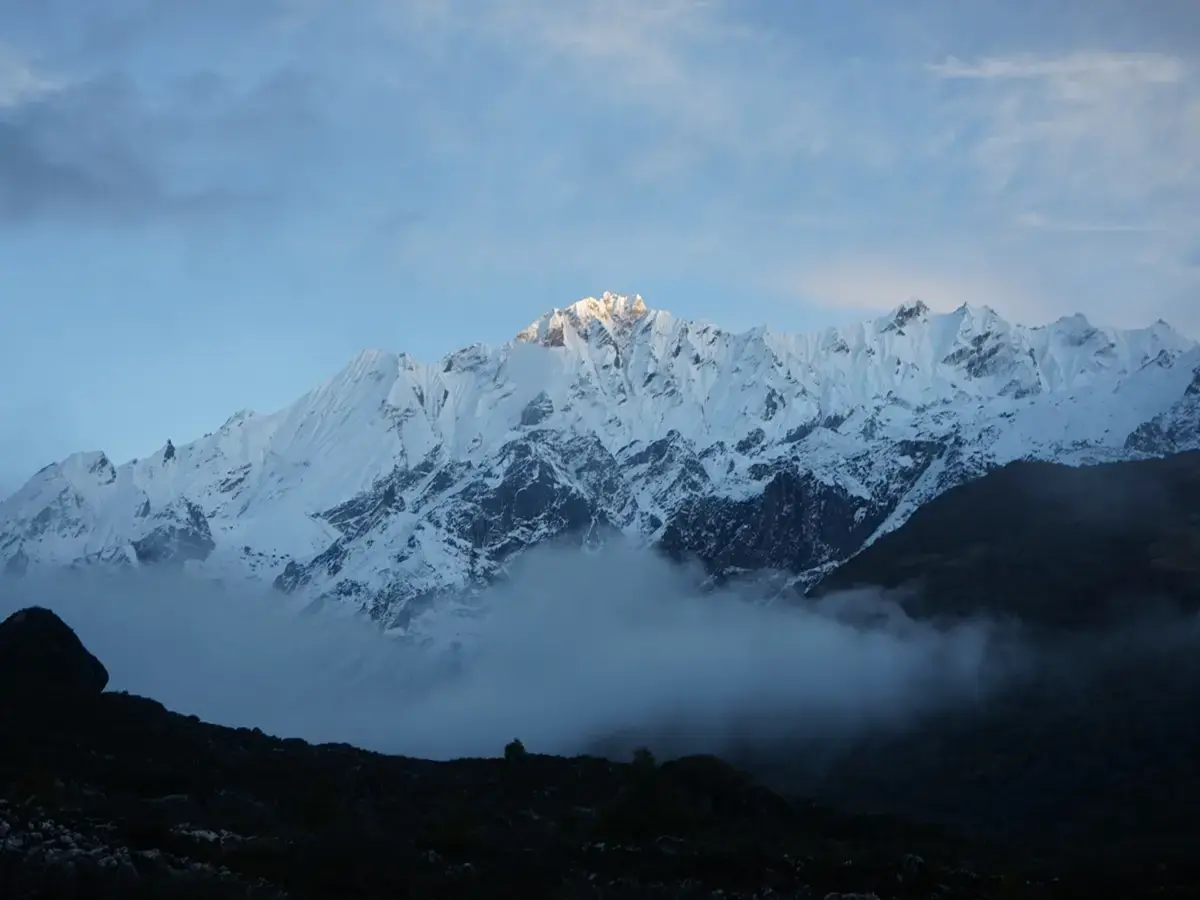
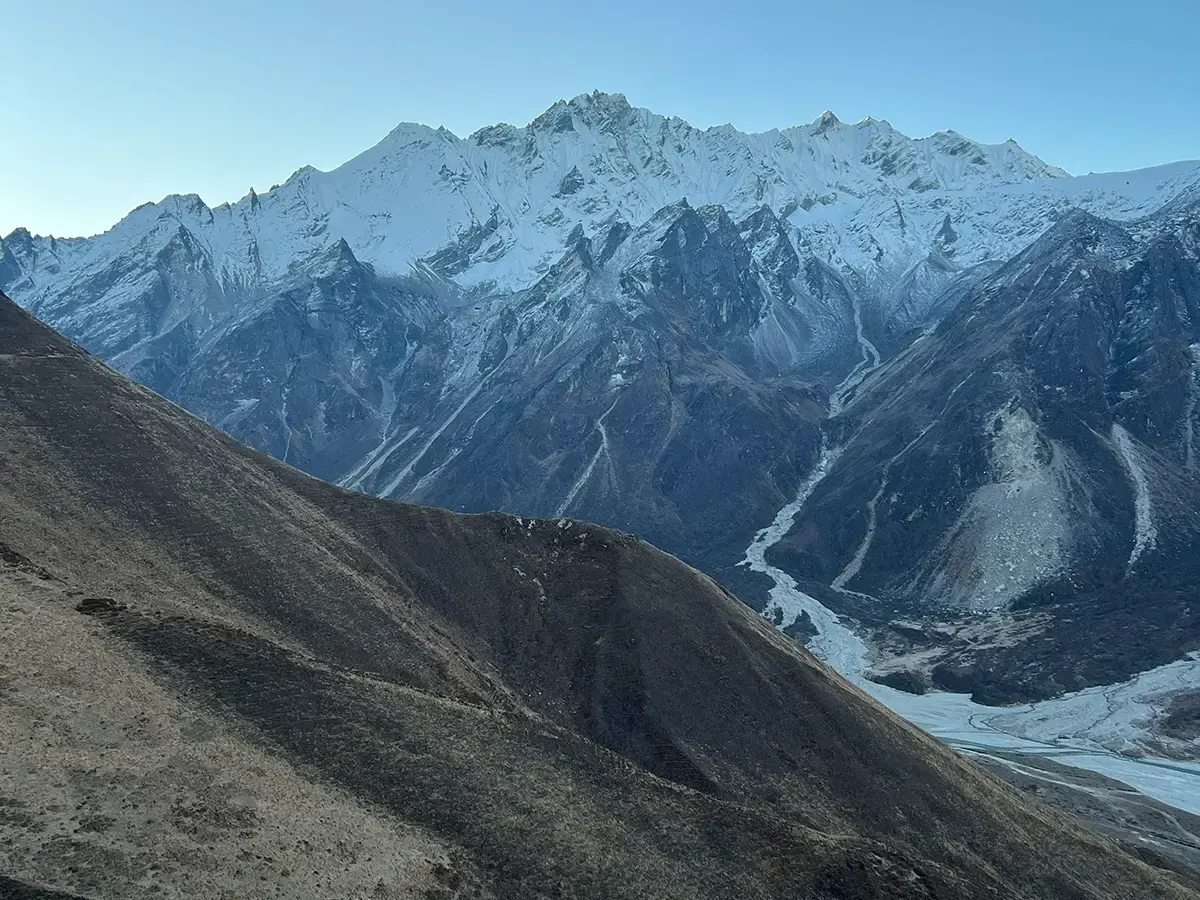
As you ascend the Kyanjin Gompa, you will find yourself in the middle of the open glacial valley, amid a natural amphitheater guarded by the Langtang Lirung. In these high-altitude conditions, you can experience the “mountain dry throat.” Keep your buff (neck gaiter) on stand by. Altitude sickness can also be a threat here; locals swear by the local Seabuckthorn juice to boost immunity and increase hydration.

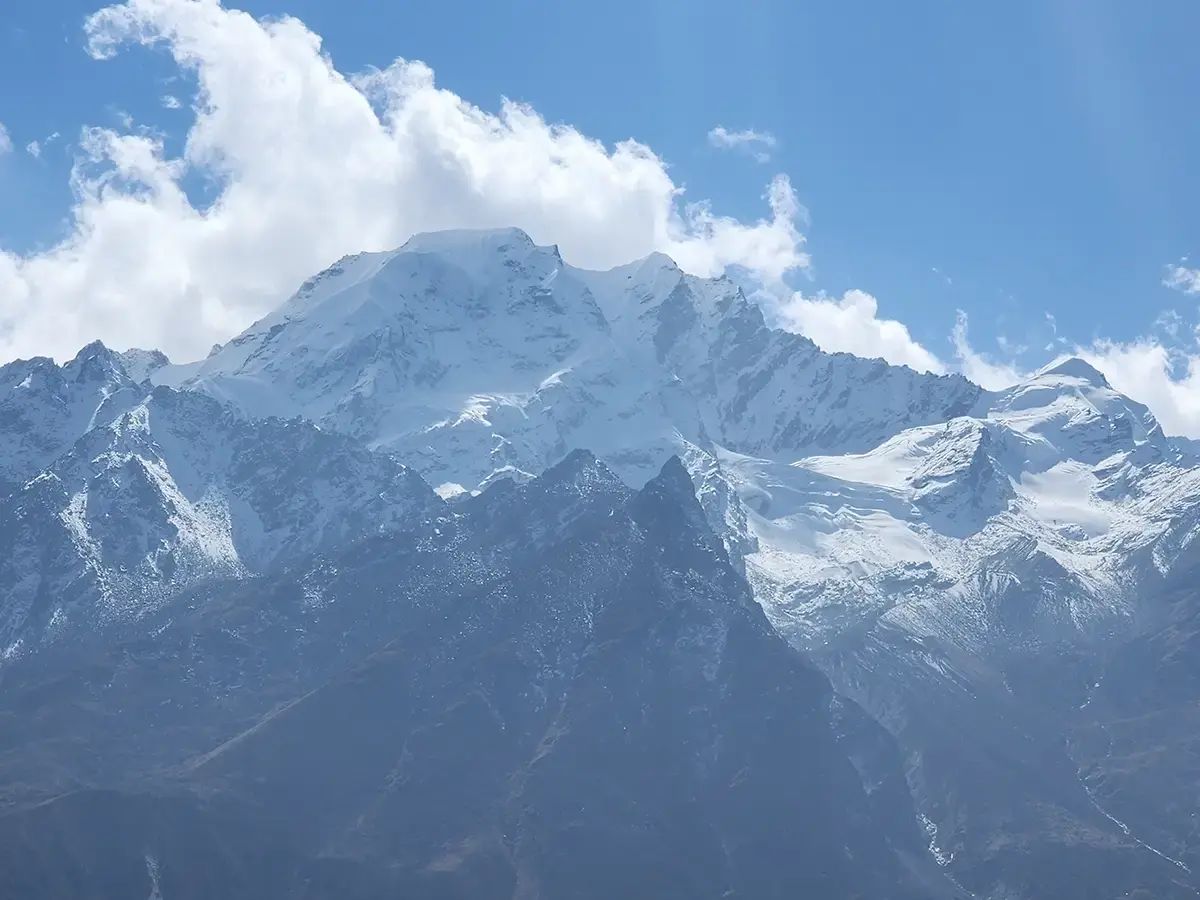
The transition from the comfort of tea houses to the solitude of tented camps at High Camp marks the start of your technical challenge. This isn't just a trek; it involves fixed ropes and crampon work on ice slopes. Standing on the summit of Naya Kanga provides a staggering view of the Tibetan peaks, a reward earned through grit and precise footwork.

Experience the wilderness of the Langtang region. Book your 2026/2027 Naya Kanga expedition!

Why go on the Langtang Valley and Naya Kanga Peak Climbing in Nepal?

Naya Kanga remains a prized destination for trekkers who prefer technical variety and quieter trails. It offers a perfect blend of high-altitude trekking, technical climbing, and a legendary pass crossing.

The Technical Superiority: Naya Kanga is more than just a trek. On this expedition, you will face the technical alpine challenges as you take on the North-East face, involving steep snow slopes and ridge climbing. This makes the Naya Kanga Peak climbing ideal for experienced climbers looking to bridge the gap between high-altitude trekking and serious mountaineering.

The Ganja La Challenge: Different from the standard Langtang treks, our 15-day Langtang Valley and Naya Kanga Peak climbing introduces you to pristine and secluded trails. This route crosses the Ganja La pass, notorious for its steep descents, along the snow-covered trails. Trekkers prepare for an early morning crossing of this pass to avoid the whipping afternoon winds.

Kyanjin Gompa: Spending your time in Kyanjin Gompa allows you to visit the local yak cheese factory. You will also find 360-degree views from Tserko Ri, which serves as the perfect mental rehearsal for your summit attempt while ensuring your red blood cells adapt.

Close Proximity to Kathmandu: Langtang is the closest Himalayan region to Nepal’s capital, Kathmandu. Due to its proximity, you will find several advantages. Instead of the stressful domestic flight delays, you travel on a jeep/local bus along the rugged highway.

You are less dependent on flight weather windows, making the schedule more predictable than the Lukla route.

A Typical Day during the Langtang Valley and Naya Kanga Peak Expedition

A gentle “knock, knock” at your tent or lodge door, accompanied by a steaming mug of “bed tea,” is a typical way to start your day during the Langtang Valley and Naya Kanga Peak expedition. Here, an early start is crucial. You will leave for the trails by 7:30 AM, ensuring you catch the views of the Langtang Lirung before the afternoon clouds roll in.

You will follow the typical Himalayan rhythm as you pass the pani walls and chortens. Remember, as a sign of respect, keep these religious monuments on your right as you pass by them.

Lunch is served at around noon. The daily dose of “Dal Bhat” keeps you energized and provides fuel for the afternoon climb. You will reach your teahouse by 4:00 PM, where you will spend the rest of your time actively acclimatizing before heading to bed.

Once we move to tented camps above 4,400m, the atmosphere shifts. The cook prepares high-energy meals as the guides check your harnesses and gear. Evenings are spent in the dining tent, monitoring oxygen levels and discussing the summit window.

Langtang Valley and Naya Kanga Peak Expedition: Cost for Logistics, Permits, and Gear

Langtang Valley and Naya Kanga Climbing: Cost for Logistics, Permits, and Gear

Langtang Valley and Naya Kanga climbing require significantly more logistical planning than a standard trek. Our all-inclusive package covers the essential Naya Kanga Peak Permit and the Langtang National Park entry fees. We also manage the complex "Garbage Deposit" required by the government to ensure the mountains stay pristine.

For the climbing period, we provide a full kitchen crew, including a cook and porters who carry the heavy group gear, including ropes, snow bars, and ice screws. We also provide high-quality sleeping bags and down jackets if you don't have your own.

For 2026/2027, we have integrated enhanced medical kits with oximeters to ensure safety during the high-altitude stay at Base Camp and High Camp.

Langtang Valley and Naya Kanga Peak Highlights 2026/2027

  • Summit Naya Kanga Peak (5,844m) for panoramic views of Shishapangma and Langtang Lirung.
  • Cross the technical and high-altitude Ganja La Pass (5,130m).
  • Experience the vibrant Tamang culture and hospitality in Langtang Village and Kyanjin Gompa.
  • Acclimatize with a hike to Tserko Ri (4,984m) for a stunning glacial overview.
  • Stay in high-altitude tented camps with a dedicated professional climbing crew.
  • Visit the historic Kyanjin Gompa and the local yak cheese factory.
  • Trek through diverse ecosystems, from subtropical forests to alpine ice fields.

Customized Langtang Valley and Naya Kanga Expedition

The Naya Kanga Peak climb is a rigorous 15-day journey, but we understand that every climber has different needs. Adventure Trek in Himalayas offers fully customizable itineraries for this route.

Whether you want to add extra acclimatization days in Kyanjin Gompa, include a private climbing guide for a 1:1 ratio, or extend your trek into the Helambu region after the Ganja La Pass, our experts can tailor the logistics to fit your specific mountaineering goals.
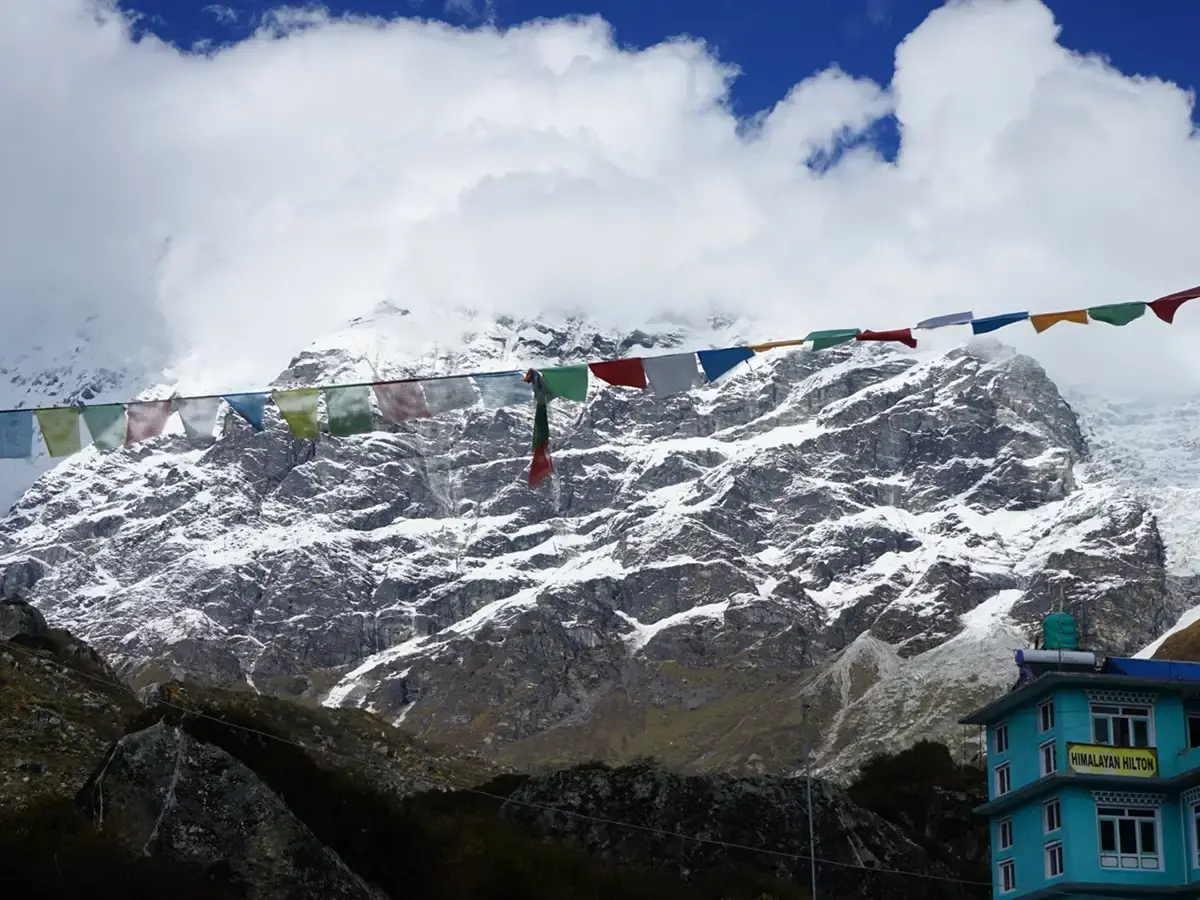
Langtang Valley Trek and Naya Kanga Peak Climbing Itinerary

Day 1

Arrive in Kathmandu

Upon arrival at Tribhuvan International Airport, you will be met by our representative and transferred to your hotel. Kathmandu is a sensory explosion of sights and sounds. Take the evening to wander through the alleys of Thamel, pick up any last-minute snacks like dried nuts or ginger candy, and rest after your journey.

Max Altitude: 1,400 meters
Meals: Null
Accommodation: Null
Day 2

Drive to Syabrubesi

The adventure begins with a scenic but rugged drive north. You’ll leave the valley bowl and head into the hills, passing through Trishuli Bazaar. The road winds along the Trishuli River, offering glimpses of terraced farms and distant peaks. Syabrubesi is the gateway to the Langtang region, a bustling village where the trek officially starts tomorrow.

Max Altitude: 1,503 meters
Meals: Lunch & Dinner
Duration: 7-8 hours drive
Accommodation: Teahouse/Lodge
Day 3

Trek to Lama Hotel

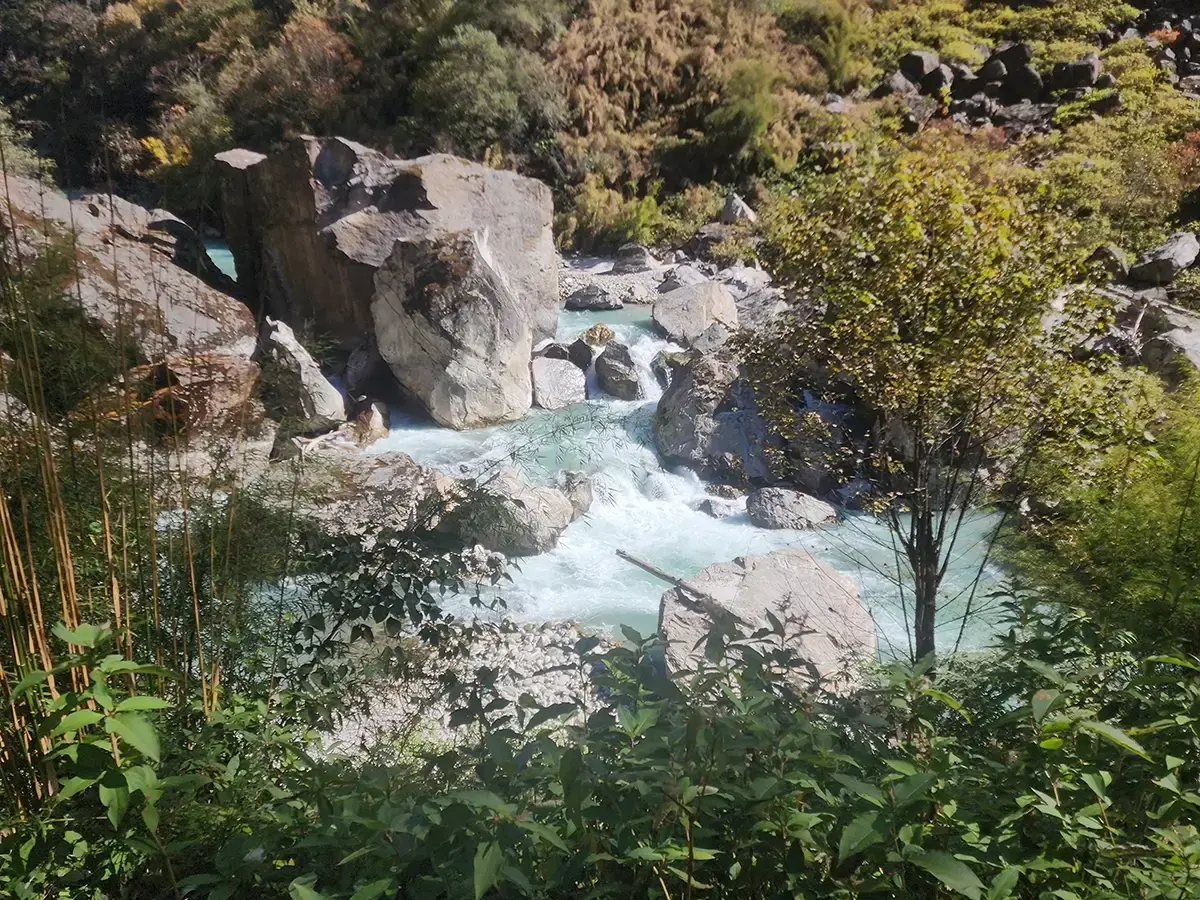
The trail follows the Langtang Khola, crossing several suspension bridges. You’ll enter the dense forests of the National Park, home to the elusive Red Panda. The climb is steady, and the sound of the rushing river provides a constant soundtrack.

Lama Hotel is a small community comprising a cluster of lodges tucked deep in the greenery, offering a cool, misty atmosphere.

Max Altitude: 2,480 meters
Meals: Breakfast, Lunch & Dinner
Duration: 6 hours
Accommodation: Teahouse/Lodge
Day 4

Trek to Langtang Village

As you climb higher, the valley widens. You’ll pass Ghoda Tabela (Horse Stable), where the trek begins to feel truly "Himalayan." You’ll notice the impact of the 2015 earthquake, but you’ll also see the incredible resilience of the local people who have rebuilt their homes. Langtang Village is a beautiful settlement with strong Tibetan influences.

Max Altitude: 3,430 meters
Meals: Breakfast, Lunch & Dinner
Duration: 5-6 hours
Accommodation: Teahouse/Lodge
Day 5

Trek to Kyanjin Gompa

A shorter walking day allows your body to adjust to the thinning air. You’ll pass through yak pastures and under the shadow of the massive Langtang Lirung. Kyanjin Gompa is the spiritual heart of the valley. Spend your afternoon visiting the monastery or the cheese factory.

Pro tip: Stay hydrated and avoid heavy caffeine tonight.

Max Altitude: 3,870 meters
Meals: Breakfast, Lunch & Dinner
Duration: 3-4 hours
Accommodation: Teahouse/Lodge
Day 6

Acclimatization day with a hike to Tserko Ri

This is a crucial day for your summit success. The hike to Tserko Ri is steep but offers one of the best views in all of Nepal. Standing at nearly 5,000m, you can see the entire Langtang range.

This "climb high, sleep low" strategy is essential for the technical days ahead on Naya Kanga.

Max Altitude: 4,984 meters
Meals: Breakfast, Lunch & Dinner
Duration: 6-7 hours hike
Accommodation: Teahouse/Lodge
Day 7

Trek to Naya Kanga Base Camp

Leaving the comforts of the teahouse, you will cross the Langtang Khola and enter a rugged alpine world. The landscape shifts from green valleys to rocky terrain. Here, you will set up your first tented camp.

You will spend the night under the stars, experiencing a profound stillness found only in the deep Himalayas.

Max Altitude: 4,400 meters
Meals: Breakfast, Lunch & Dinner
Duration: 5-6 hours
Accommodation: Tented Camp
Day 9

Summit attempt on Naya Kanga Peak and return to Base Camp

With the help of headlamps, you will navigate the glacier and steep snow slopes at around 2:00 AM. Reaching the peak of Naya Kanga offers a breathtaking reward. After taking in the panoramic views, you focus on a controlled descent back to the safety of your base camp site.

Max Altitude: 5,844 meters
Meals: Breakfast, Lunch & Dinner
Duration: 10-12 hours
Accommodation: Tented Camp
Day 8

Trek to High Camp

Today, you will make a short but intense trek to the High Camp over steep moraine. “Bistarai, Bistarai.” The altitude demands a slow, steady pace. Rushing here is a sure invitation to altitude-related ailments.

As you reach the snow line, your guide will finalize safety protocols. They will ensure your crampons are ready for the technical challenge that awaits you at dawn tomorrow.

Max Altitude: 4,950 meters
Meals: Breakfast, Lunch & Dinner
Duration: 4-5 hours
Accommodation: Tented Camp
Day 10

Trek to Kyanjin Gompa via Ganja La Pass

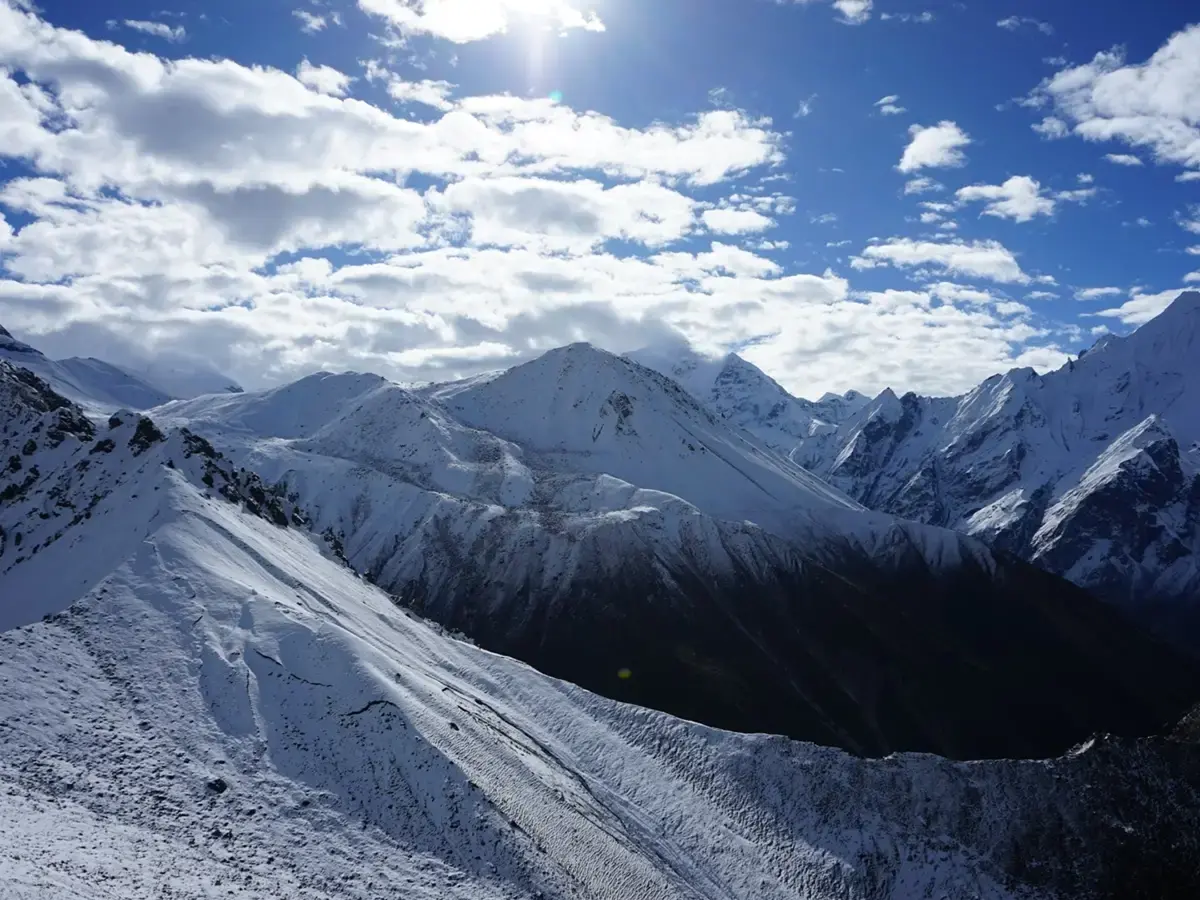
Instead of retracing our steps, you will tackle the technical Ganja La Pass. Navigating this steep, icy crossing requires precision and focus. Descending back into Kyanjin Gompa feels like a homecoming.

A warm meal and a solid mattress will be a well-earned luxury after days on the ice.

Max Altitude: 5,130 meters
Meals: Breakfast, Lunch & Dinner
Duration: 7-8 hours
Accommodation: Teahouse/Lodge
Day 11

Kyanjin Gompa to Lama Hotel

Your descent continues as we head toward Lama Hotel. You will notice your energy levels rising as the air becomes richer with oxygen.

Wind back through the familiar rhododendron forests and Langtang Village, enjoying the ease of walking downhill after the intense physical demands of the peak.

Max Altitude: 2,480 meters
Meals: Breakfast, Lunch & Dinner
Duration: 6 hours
Accommodation: Teahouse/Lodge
Day 12

Lama Hotel to Syabrubesi

This is your final day on the trail. You follow the rushing river back to Syabrubesi for a celebratory evening. It is a popular tradition here to share a farewell dinner with the porters and crew who made this summit possible.

You toast with your entire crew and fellow trekkers to a safe, successful journey.

Max Altitude: 1,503 meters
Meals: Breakfast, Lunch & Dinner
Duration: 5 hours
Accommodation: Teahouse/Lodge
Day 13

Syabrubesi to Dhunche

Today’s journey includes a brief trek to Dhunche, the bustling administrative heart of the Langtang region. This transition allows us to see local life outside of the high trekking trails.

Max Altitude: 1,960 meters
Meals: Breakfast, Lunch & Dinner
Duration: 4-5 hours
Accommodation: Teahouse/Lodge
Day 14

Drive from Dhunche to Kathmandu

The drive back to Kathmandu offers a chance to watch the landscape transform from jagged peaks into terraced hillsides. Upon arrival, our representatives will transfer you to your hotel for a much-deserved shower and some urban comfort and relaxation.

Max Altitude: 1,400 meters
Meals: Breakfast & Lunch
Duration: 6-7 hours drive
Accommodation: Null
Day 15

Departure from Kathmandu

After a final breakfast at your hotel, our team provides a private transfer to the airport. As you prepare for your flight home, you carry the strength and memories of the Langtang highlands with you.

Max Altitude: Null
Meals: Breakfast
Duration: Null
Plan Your Trip Your Way
Can't find a suitable date? No worries! Our experts will help you plan a departure date that fits your schedule and make your adventure happen at the perfect time.

Cost Details

Includes

  • Private bus/jeep transportation to and from Syabrubesi/Dhunche.
  • Accommodation: Tea houses during the trek and high-quality tented camps during the climbing period.
  • Standard full-board meals (Breakfast, Lunch, Dinner) during the trek and climb.
  • Seasonal fresh fruits are provided daily.
  • Licensed trekking/climbing leader and experienced cook/porter team.
  • All guide/staff costs: salary, insurance, equipment, and lodging.
  • Permits: Naya Kanga Peak Permit, Langtang National Park Fee, and TIMS card.
  • Group climbing gear: Ropes, ice screws, snow bars.
  • Personal gear available: Sleeping bags and down jackets if needed.
  • Comprehensive medical kit with oximeter.

Excludes

  • International airfare and Nepal Visa fees ($50 for 30 days).
  • Hotel accommodation and meals in Kathmandu.
  • Mandatory travel insurance covering high-altitude heli-rescue.
  • Personal expenses: snacks, boiled water, hot showers, WiFi, battery charging.
  • Personal climbing gear (boots, crampons, ice axe—can be rented).
  • Tips for the guide, cook, and porters.

Essential Information

When is the Best Time for the Langtang Valley Trek and Naya Kanga Peak Climbing in Nepal?

Timing is crucial for the successful completion of the Langtang Valley Trek and Naya Kanga Peak Climbing expedition. It is crucial to understand the specific microclimate of the Langtang region and the Himalayas while planning for the 2026/2027 Naya Kanga Peak climbing season.

In spring (March to May), you will find the snow on the North-East face well compacted. This provides safer conditions for your crampons compared to the icy conditions of winter. In the lower valleys, you will find the landscape transformed into a vibrant red and pink hue of blooming rhododendron. As a result, spring in Langtang Valley and Naya Kanga is considered the peak climbing season.

For best visibility, we recommend traveling in autumn (October to late November). This season is the prime season for photography enthusiasts. The monsoon rain washes the dust away, revealing the Shishapangma peak.

In the winter, the Ganja La Pass can be impassable. By early December, heavy snow accumulates in this region, making it vital to complete the crossing before winter.

How Difficult is the Langtang Valley Trek with Naya Kanga Peak Climb? Who can go on this Expedition?

While the Langtang Valley is a relatively easier trek, the Naya Kanga Peak expedition is a strenuous and technical journey. Considering the demanding nature, this expedition is suitable for:

  • Active climbers with a high level of cardiovascular fitness and experience with multi-day trekking.
  • Aspiring mountaineers who are familiar with crampons and ice axes are highly recommended. We provide on-site training at Base Camp, but mental toughness is key.
  • Healthy adventure seekers who can take on the challenging terrain, including the high altitude Ganja La Pass (5,130 meters) and the 5,844-meter Naya Kanga Peak summit; hikers with respiratory or knee issues should consult a doctor before booking.

Preparation for the Langtang Valley and Naya Kanga Peak Climbing: Gear and Equipment

Climbing a nearly 6,000m peak requires a blend of trekking comfort and technical safety. Ensure your gear is tested before you arrive in the Langtang Valley.

Head and Hands

  • UV-Protection Glacier Glasses (Category 4): Mandatory to prevent snow blindness on the Naya Kanga summit glacier.
  • Headlamp with extra batteries: Essential for the 2:00 AM alpine start toward the technical ridges.
  • Woolen beanie and a buff: These help warm the air you breathe to prevent the dry mountain cough.
  • Insulated waterproof climbing gloves and lightweight liner gloves.

Body and Lower Body

  • Moisture-wicking base layers: Merino wool is best for odor control during the long approach.
  • Hardshell waterproof jacket and trousers: To block the biting winds found at the High Camp.
  • High-loft down jacket: Rated for at least -20°C for the freezing summit morning.
  • Trekking trousers and thermal leggings.

Footwear and Climbing Hardware

  • Mountaineering Boots: Crampon-compatible (B2 or B3 grade) for the technical snow slopes.
  • Trekking Boots: Comfortable, broken-in boots for the initial walk through the forest trails.
  • Technical Gear: Climbing helmet, harness, ice axe, and crampons (rentals available in Thamel, Kathmandu).

Miscellaneous

  • 4-season sleeping bag: Rated for sub-zero tented camping above the snow line.
  • Trekking poles: Vital for the steep and loose descent from the Ganja La Pass.
  • Water purification tablets or a Steripen.
  • High-calorie snacks: Energy bars and electrolytes to fuel the twelve-hour summit push.
  • Personal first aid kit with blister tape and Diamox: If prescribed by your doctor.
Speak to an Expert
Sudarsan Naupane
Sudarsan Naupane