8 Days Tibet Overland Tour with EBC from Nepal

The Tibet Overland Tour with EBC from Nepal offers a structured journey crossing the high Himalayas from the green valleys of Nepal to the arid Tibetan Plateau. This itinerary connects Kathmandu with the historic city of Lhasa, stopping at the base of Mount Everest, the cultural hub of Shigatse, and ancient Tibetan monasteries along the way.

Duration
8 Days
Trip Grade
Moderate to Strenuous
Country
Tibet
Maximum Altitude
5,200 meters (17,060 feet)
Starts
Kathmandu
Ends
Kathmandu
Group Size
Up to 12 Pax (Standard)
Best Time
Spring (April to May) and Autumn

Traveling from Kathmandu to Lhasa by road is a remarkable trans-Himalayan journey. This 8-day Tibet Overland Tour with EBC journey crosses the Nepal-Tibet border at Kyirong, moving from the green, humid valleys of central Nepal up onto the dry, open Tibetan Plateau. It is a stark geographical change that happens over just a couple of days.

The route follows the northern highway to Tingri, diverts south to the Rongbuk valley below Everest, and then heads east through Shigatse and Gyantse to the Tibetan capital of Lhasa.

Traveling by road allows your body to adapt to the thin air more than flying directly to Lhasa, though the quick ascent still requires you to take things slowly. You will spend your days exploring historic monasteries like Tashilhunpo and walking the Barkhor pilgrimage path in Lhasa alongside locals.

To secure your entry, the Tibet Travel Permit must be pre-applied for in Lhasa using passport scans at least 15 to 20 days in advance. Once you arrive in Kathmandu, we will collect your original physical passport to process the China Group Tourist Visa at the Chinese Embassy, which takes approximately 4 to 5 working days.

For a seamless experience, Adventure Trek in Himalaya manages all permits, guides you through your visa processes, and takes care of overland logistics. Book your 2026/2027 trip today!

Why Go on the Tibet Overland Tour with EBC?

Driving from Kathmandu to Everest Base Camp on the Tibet side is a unique journey. You start in the wet, green valleys of Nepal and end up on the high, windy Tibetan plateau. It is a quick, 8-day trip, but it packs in a lot of Himalayan landscape and traditional culture. Here is why this route is worth the effort.

Everest North Face: If you trek to Everest on the Nepal side, the actual summit is usually hidden behind other massive peaks. On the Tibet side, though, you drive right up to Rongbuk Monastery. From there, the northern face of the mountain is right in front of you—completely wide open and massive.

Himalayan Overland Travel: You go from the humid, forested gorges of northern Nepal to the high, dry plains of Tibet. Along the way, you’ll cross mountain passes sitting at over 5,000 meters. It feels less like a standard vacation and more like a proper road expedition.

Real Tibetan culture: This isn't just a nature trip. You get to spend time in Lhasa and Shigatse, visiting places like the Potala Palace and the Jokhang Temple. These aren't museums; they are active places of worship. Witness pilgrims spinning prayer wheels and monks debating in the courtyards of Tashilhunpo Monastery, offering a direct look at local traditions.

Hassle-free Permit Management: The paperwork for a Tibet permit is notoriously difficult. You need a special Tibet Travel Permit, a group visa, and several local approvals just to pass military checkpoints. Adventure Trek in Himalaya takes care of all this before you even leave, so you do not have to deal with embassy officials or border security issues on your own.

Typical Day during the Tibet Overland Tour with EBC from Nepal 2026/2027

Your days on the Tibet Overland Tour typically start early, especially on days requiring a long drive ahead across the plateau. The early morning departures are freezing. We recommend layering your clothes.

Breakfast is served at around 7:30 AM, and your vehicle is ready to set off at around 8:30 AM. The early start helps beat the local truck traffic and avoid long lines at the highway checkpoints.

For lunch on driving days, the tour breaks at small, family-run Tibetan teahouses along the highway. These teahouses are basic but cozy. For fresh and hot food, we recommend ordering a bowl of hot noodle soup and sweet tea.

The sightseeing tour ends by mid-afternoon. At these elevations, pacing yourself is important, and you will need the downtime to let your body adjust to the thin air.

The late afternoons are yours to explore. In Lhasa, this is the best time of day to wander around the Barkhor. Just before sunset, the area comes alive as locals gather for their evening prayer walks, making it a great time to just sit and watch.

Tibet Overland Tour from Nepal: Cost for Logistics and Permits

Managing a cross-border tour requires detailed logistical planning. Our travel experts and guides manage transport, accommodation, and entrance permits, delivering a hassle-free experience. There are multiple entry fees involved, including heritage site tickets for the Potala Palace, entrance permits for the Everest National Nature Reserve, and regional border conservation fees.

Tibet Overland Tour with EBC from Nepal Highlights 2026/2027

  • Drive across the spectacular trans-Himalayan border from Nepal to Tibet through the Kyirong crossing.
  • Stand at Rongbuk Monastery, the highest monastery in the world, for views of the north face of Mount Everest.
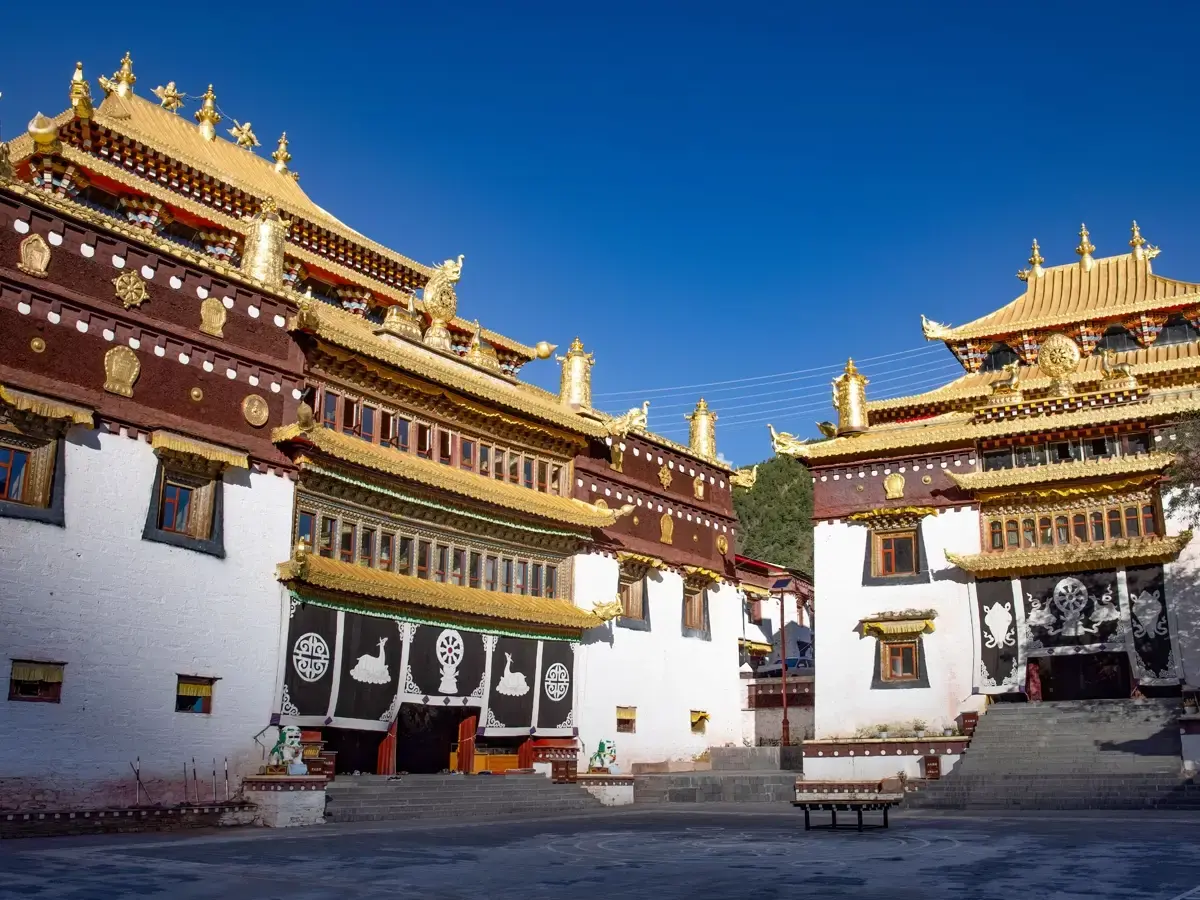
  • Explore the massive Tashilhunpo Monastery in Shigatse, the traditional seat of the Panchen Lama.
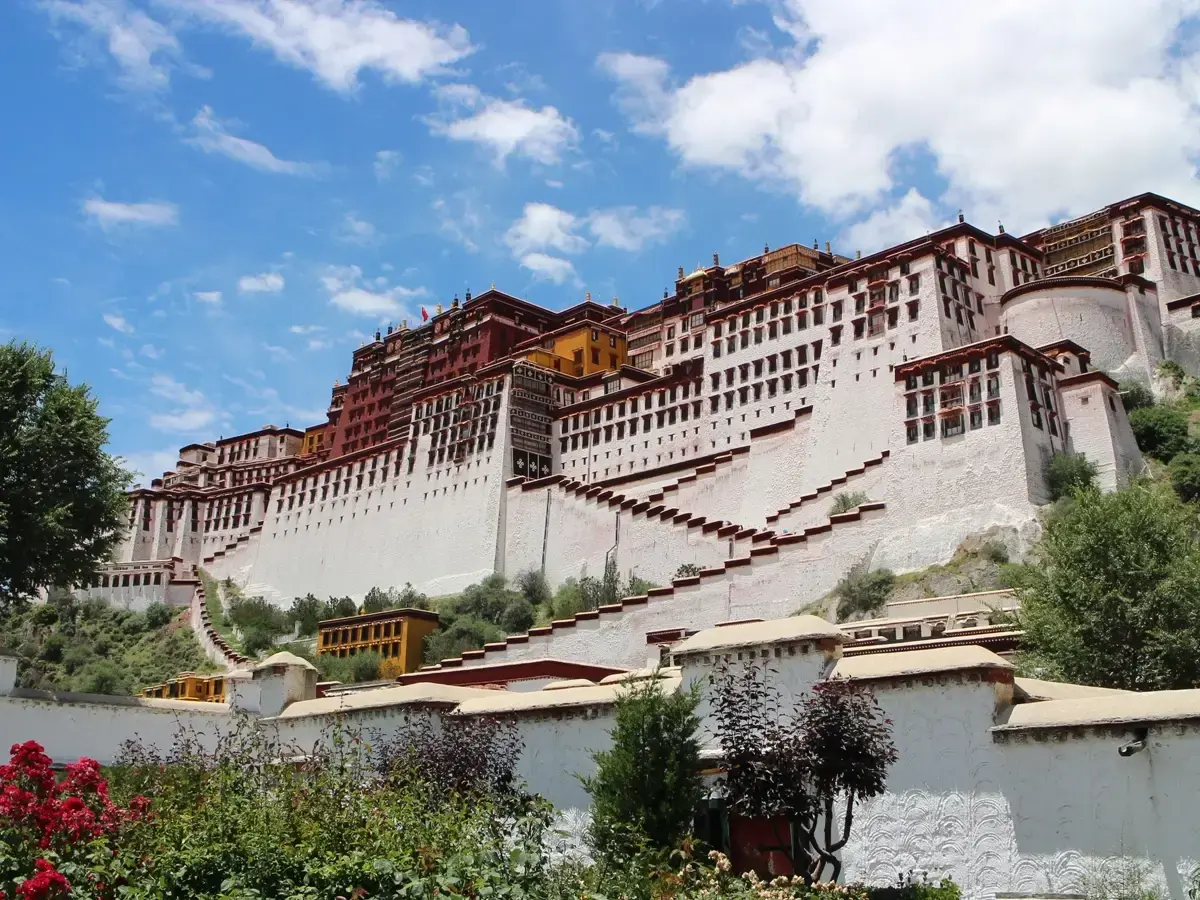
  • Visit the historic Potala Palace and the sacred Jokhang Temple in the heart of Lhasa.
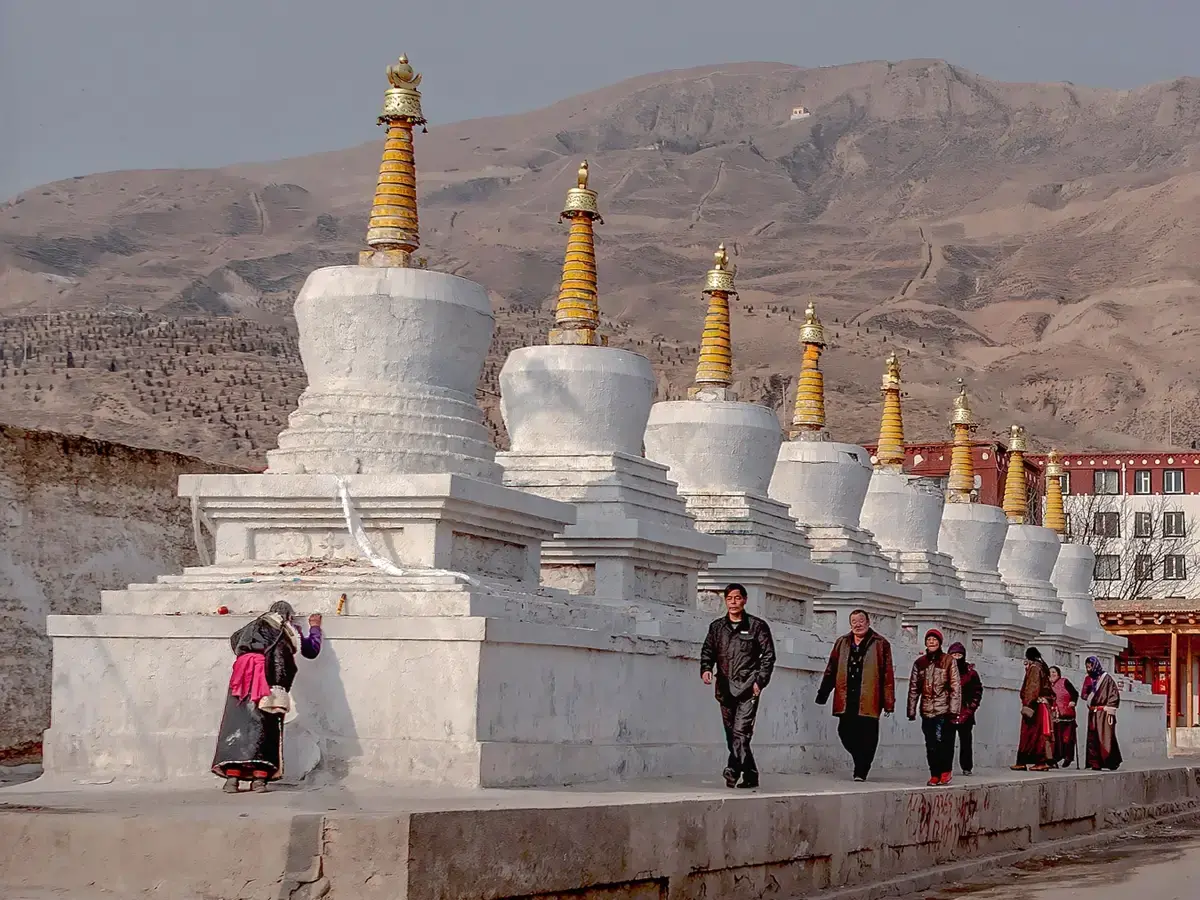
  • Walk the Barkhor Street circuit alongside local Tibetan pilgrims.
  • Travel along the spectacular Friendship Highway, crossing high-altitude mountain passes.
  • Enjoy hassle-free border logistics with pre-arranged Tibet Travel Permits and group visa assistance.

Customized Tibet Overland Tour from Nepal

The Tibet Overland itinerary is designed to offer a comfortable and enriching travel experience. We understand that every traveler has unique interests and requirements. Our itineraries can be customized to adjust driving routes, upgrade accommodations, or include flights out of Lhasa to Kathmandu or other major Chinese cities to suit your personal preferences.

Share your travel plans with our team, and we will design a personalized itinerary that matches your style and pace.

8 Days Tibet Overland Tour with EBC from Nepal Itinerary

Day 1

Kathmandu to Kyirong Border

The drive out of Kathmandu toward the border is rough and dusty; we recommend keeping the vehicle windows closed for this section. Once you clear border formalities on both the Nepal and Chinese sides, you will meet your Tibetan guide and proceed to Kyirong town to settle in for the night.

Max Altitude: 2,700 meters
Duration: 7 Hours
Accommodation: Guesthouse
Mode of transportation: Drive
Day 2

Kyirong to Tingri

Today you will make the steep climb up onto the actual Tibetan Plateau. The change in altitude is massive, but you get some incredible views of the Himalayan range as you cross the high passes. Since you are traveling straight up to 4,300 meters, take it very easy tonight in Tingri. Remember to drink plenty of water and preserve your energy.

Max Altitude: 4,300 meters
Meals: Breakfast
Duration: 6 Hours
Accommodation: Guesthouse
Mode of transportation: Drive
Day 3

Tingri to Rongbuk (Everest Base Camp) to Shigatse

You will leave Tingri early to head to Rongbuk Monastery, which sits at the base of Mount Everest. Combined with the afternoon drive onward to Shigatse, today's total travel time will be 9 to 10 hours. Because the route crosses extreme elevations, please consult your guide regarding safety precautions and monitoring for Acute Mountain Sickness (AMS).

If the weather is clear, the view of the north face from here is incredible. After spending some time taking photos and looking around the base camp area, you will get back on the highway and drive to Shigatse to spend the night.

Max Altitude: 5,200 meters
Meals: Breakfast
Duration: Full - day
Accommodation: Hotel
Mode of transportation: Drive
Day 4

Shigatse to Gyantse to Lhasa

First thing in the morning, you will visit the massive Tashilhunpo Monastery in Shigatse. From there, it is a long drive to Lhasa. Along the way, the tour stops in Gyantse to see the giant Kumbum Stupa and drives right along the edge of Yamdrok Lake, which is a brilliant turquoise color on clear days.

You will reach Lhasa by evening.

Max Altitude: 3,650 meters
Meals: Breakfast
Duration: Full - day
Accommodation: Hotel
Mode of transportation: Drive
Day 5

Sightseeing Tour in Lhasa City

Today is all about Lhasa's biggest landmarks. The excursion starts at the Potala Palace. This ancient palace was the old winter home of the Dalai Lama. Next, you head to the Jokhang Temple, which is the spiritual heart of Tibet.

In the afternoon, you can wander the Barkhor Street bazaar. It is always packed with pilgrims doing their prayer walks, and it is a great place to just observe local life.

Max Altitude: 3,650 meters
Meals: Breakfast
Duration: Full - day
Accommodation: Hotel
Day 6

Lhasa to Shigatse (Half-day Lhasa Sightseeing)

In the morning, you will visit Sera Monastery to watch the monks debate philosophy in the courtyard, which gets quite lively. After that, drive back towards Shigatse along the main Friendship Highway.

Max Altitude: 3,900 meters
Meals: Breakfast
Duration: 6 Hours
Accommodation: Hotel
Mode of transportation: Drive
Day 7

Shigatse to Kyirong

The trip back to the Tibet-Nepal border in Kyirong is a long journey. You will retrace your way across the high plains and back into the greener, lower valleys of Kyirong. You will notice right away that it is much easier to breathe and sleep at this lower altitude.

Meals: Breakfast
Duration: 8 Hours
Accommodation: Guesthouse in Kyirong
Mode of transportation: Drive
Day 8

Kyirong to Border to Kathmandu

After an early breakfast, you drive to the border crossing. Once you clear Chinese customs, you will cross the bridge back into Nepal, meet your Nepalese driver, and get into a private jeep for the drive back to Kathmandu.

Max Altitude: 1,300 meters
Meals: Breakfast
Duration: 7 Hours
Mode of transportation: Drive
Plan Your Trip Your Way
Can't find a suitable date? No worries! Our experts will help you plan a departure date that fits your schedule and make your adventure happen at the perfect time.

Cost Details

Includes

  • Transportation
  • Private transportation inside Tibet by van or bus as per the group size
  • Kathmandu to Kyirong and Kyirong to Kathmandu ground transfers by jeep
  • Tibet Permits and Visa Expenses:
  • Necessary Tibet Travel Permit processing
  • Group visa coordination and assistance in Kathmandu
  • Salary, insurance, and expenses for your Tibetan Guide
  • Accommodations:
  • 7-night accommodation in Tibet on a twin-sharing room basis
  • Meals
  • Daily breakfast at the hotels and guesthouses during the tour in Tibet
  • Additional Services
  • Sightseeing and monastery entrance fees as per our itinerary
  • Guides
  • English-speaking, certified Tibetan local guide

Excludes

  • International Flights and Visa Fees
  • International flights to and from Kathmandu
  • Nepal entry visa fees
  • Additional Expenses
  • Lunch and dinner throughout the entire tour
  • Personal expenses such as drinks, laundry, tips, and telephone calls
  • Rescue and Evacuation
  • Emergency medical and travel insurance of any kind
  • Accommodation and Services
  • Hotel accommodations and meals in Kathmandu
  • Any additional costs due to natural calamities, landslides, or unforeseen circumstances
  • Guides and Porter Expenses
  • Tips for the Tibetan guide and drivers

8 Days Tibet Overland Tour with EBC from Nepal Equipment List

Since this tour covers both the warmer valleys of Nepal and the cold, windy plateau of Tibet, packing versatile layers is the best approach.

Clothing and Footwear

  • A heavy down jacket and thermal base layers
  • Windproof and waterproof outerwear
  • Comfortable walking shoes with good grip
  • A warm woolen hat, gloves, and a scarf
  • Lightweight, breathable clothing for daytime drives

Sun and Health Protection

  • Broad-spectrum sunscreen and moisturizing lip balm with SPF
  • Personal prescription medications and altitude sickness remedies
  • Good quality sunglasses to protect against high-altitude UV rays
  • Rehydration salts and basic first-aid supplies

Electronics and Conveniences

  • A reliable power bank
  • A universal travel adapter for Chinese plug outlets
  • A small daypack to carry your personal documents, water, and camera
  • Sufficient cash in Chinese Yuan (CNY)

Essential Information

Best Time for the Tibet Overland Tour with EBC from Nepal?

Booking the 8-day Tibet Overland Tour mostly comes down to the weather. We recommend avoiding heavy rain on the Nepalese side and finding clear skies for the mountains.

The best windows are spring (April to May) and autumn (September to November). During these months, the sky is usually clear, the roads are dry, and you have the best chance of actually seeing Everest without cloud cover.

Winter, from December to February, gets incredibly cold, especially up at Everest Base Camp, and heavy snow can easily block the high mountain passes, cutting your trip short. The summer and monsoon months from June to August are prone to heavy rainfall, especially on the Nepal side. Tibet is relatively dry; the heavy rainfall on the Nepal side can trigger landslides, causing major travel delays.

How Difficult is the Tibet Overland Tour? Who Can Go on This Tour?

This tour is classified as moderate to strenuous due to the rapid change in altitude. The journey climbs from Kathmandu at 1,300 meters to over 4,300 meters by the second day, reaching a maximum elevation of 5,200 meters at Everest Base Camp on the third day.

While the 8-day Tibet Overland Tour does not involve long-distance walking or high-altitude trekking, the rapid ascent presents a risk of altitude sickness. We recommend consulting with a doctor before your trip regarding altitude medications such as Diamox.

This tour is ideal for:

  • Active travelers in good physical health who wish to see Tibet's major sights without trekking.
  • Cultural enthusiasts interested in exploring Tibetan Buddhist monasteries and historical palaces.
  • Photographers seeking clear views of Mount Everest and high-altitude lake landscapes.
Speak to an Expert
Sudarsan Naupane
Sudarsan Naupane